
Offside rule explained in simple terms can help players, coaches, and fans understand one of soccer’s most debated decisions. The rule is designed to prevent attackers from gaining an unfair advantage by waiting too close to the opponent’s goal. However, offside decisions depend on several details, including the attacker’s position, the location of the ball, the second-last defender, and whether the player becomes involved in active play. Understanding these elements makes controversial decisions much easier to follow.
What Does the Offside Rule Mean?
The basic idea behind offside rule explained is that an attacker cannot gain an unfair positional advantage when a teammate plays the ball forward. Being in an offside position is not automatically an offense. The player must also become involved in active play or interfere with an opponent in a way defined by the Laws of the Game.
Understanding an Offside Position
A player is in an offside position if any part of the head, body, or feet is closer to the opponent’s goal line than both the ball and the second-last opponent. The hands and arms are not considered when determining offside position. A player can therefore have an arm beyond the defender without being offside.
Why the Second-Last Defender Matters
Many explanations of offside rule explained focus on the second-last defender because this player normally establishes the effective offside line. The goalkeeper is often the last defender, but not always. If the goalkeeper moves forward, another defender may become the last opponent.
Being Offside Is Not Automatically an Offense
Simply standing in an offside position does not mean the referee must stop play. An offense occurs only when the player becomes involved in active play or otherwise affects an opponent according to the rules. This distinction explains why an attacker can sometimes stand beyond the defensive line without receiving an offside call.
When Is an Offside Offense Committed?
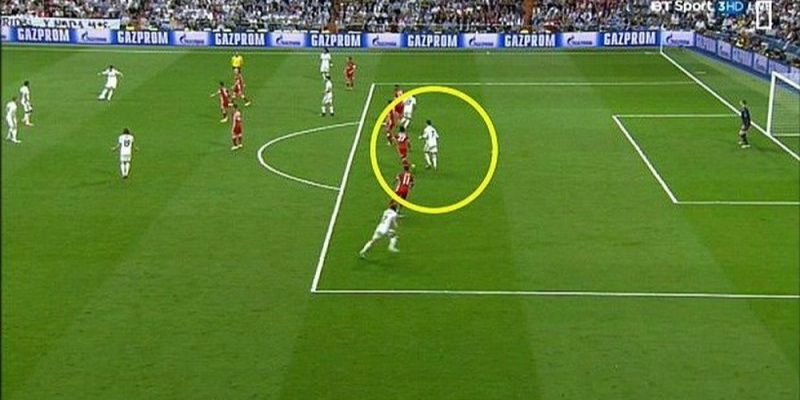
The next stage of offside rule explained is understanding active involvement. Once an attacker is in an offside position, officials examine whether that player becomes involved in the play. The offense can happen through playing the ball, interfering with an opponent, or gaining an advantage from a rebound or deflection.
Interfering With Play
An attacker commits an offside offense by playing or touching the ball after being in an offside position when the ball was played by a teammate. This is the most familiar type of offside decision. It commonly occurs when a forward runs behind the defensive line to receive a through ball.
Interfering With an Opponent
A player can also be penalized for offside by interfering with an opponent. This can include clearly obstructing an opponent’s line of vision or challenging an opponent for the ball. The attacker does not necessarily have to touch the ball for an offense to occur.
Gaining an Advantage
Another important part of offside rule explained involves gaining an advantage after the ball rebounds or deflects. If an attacker was already in an offside position and then benefits from a rebound from the goal frame or an opponent, an offense can be called under the relevant conditions.
When Is a Player Not Offside?
A strong understanding of offside rule explained also requires knowing the situations where the rule does not apply. Certain restarts are specifically excluded from offside decisions. The location of the player and the source of the ball still matter, but the restart itself can remove the possibility of an offense.
Goal Kicks
A player cannot be penalized for offside directly from a goal kick. This means an attacker can position themselves behind the defensive line before the goalkeeper or another player takes the goal kick. If the ball is played directly from that restart, the attacker may legally receive it.
Throw-Ins
There is also no offside offense when a player receives the ball directly from a throw-in. An attacker may stand beyond the second-last defender and still legally receive the throw. The restriction returns once normal open play begins.
Corner Kicks
Corners are another restart where offside does not apply to the initial reception. Attackers can occupy positions close to the goal and challenge for the ball without being penalized solely because they are beyond the defenders.
How Offside Decisions Are Made
Modern offside rule explained discussions often include assistant referees, technology, and the role of the referee. Although technology can support difficult decisions, the basic principles remain based on the Laws of the Game and the circumstances of the incident.
The Assistant Referee’s Role
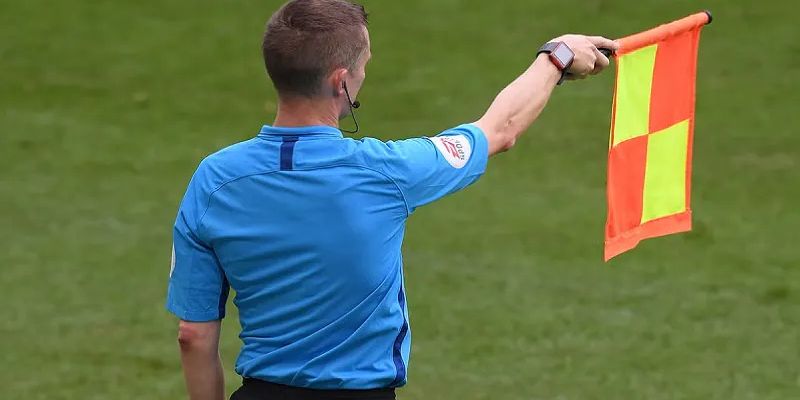
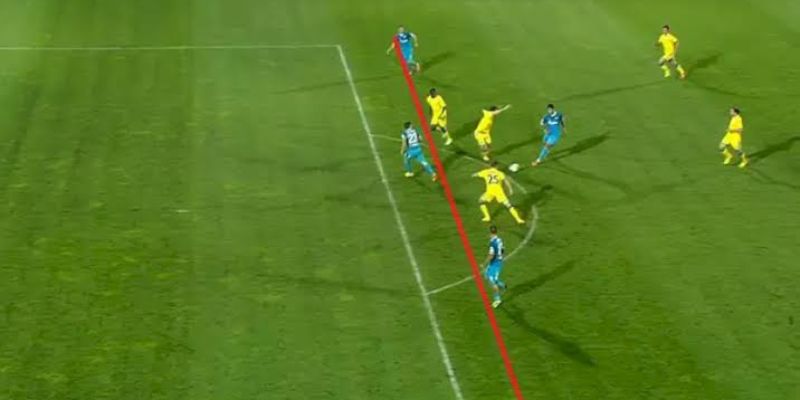
The assistant referee traditionally monitors the offside line from the touchline. By keeping level with the second-last defender, the assistant referee has the best possible angle for judging the attacker’s position when the ball is played.
The Referee Makes the Final Decision
Understanding offside rule explained also means recognizing that the assistant referee does not independently make every final decision. The referee has overall authority and can accept, reject, or review information from the assistant referee and other officials.
VAR and Close Offside Calls
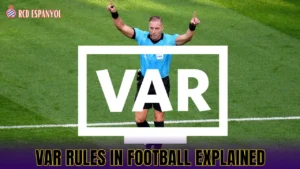
Video Assistant Referee technology can help officials review tight offside decisions in competitions where VAR is available. Video footage allows officials to identify the moment the ball was played and compare the attacker’s position with the relevant defensive line.
See more: how to curve a soccer ball
Conclusion
Offside rule explained clearly shows that the rule is more detailed than simply saying an attacker cannot stand behind the defenders. Officials must consider the player’s position when the ball is played, the second-last opponent, involvement in active play, and specific exceptions such as goal kicks, throw-ins, and corner kicks. VAR can assist with close decisions, but the fundamental principles remain unchanged. For more detailed soccer guides, tactical explanations, and football knowledge, follow Espanyolvn.