RCD Espanyol is one of the most storied football clubs in Spanish football history, carrying a legacy that stretches back over a century. Founded in Barcelona, this club has long stood as a proud symbol of resilience, identity, and competitive spirit in La Liga. While often overshadowed by its city rival, the club has carved out a distinct place in European football culture. This article explores the full story of RCD Espanyol — from its founding roots and stadium legacy to its squad, tactics, and ambitions for the future.
RCD Espanyol: A century of football pride
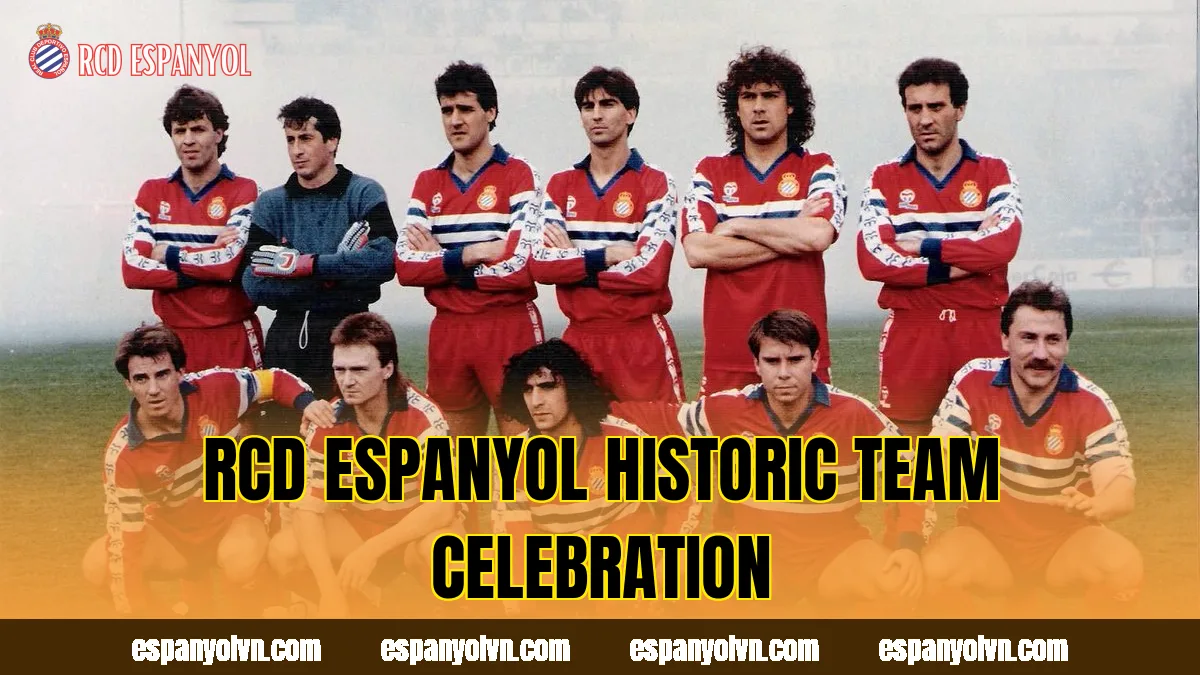
RCD Espanyol was officially founded on October 27, 1900, making it one of the oldest football clubs in Spain. The club was established by a group of Spanish university students who wanted to create a team that represented local identity in a city increasingly influenced by foreign-born players. From its earliest days, the club embraced a strong sense of national pride and community belonging that has defined its culture ever since.
Over the decades, RCD Espanyol has experienced dramatic highs and difficult lows, including multiple relegations and triumphant returns to the top flight. The club has won the Copa del Rey four times and reached the UEFA Cup final in 1988 and again in 2007, showcasing its ability to compete at the highest levels of European competition. These achievements reflect a club that refuses to be defined solely by the shadow of its more famous neighbor.
The iconic stadium that shaped club identity
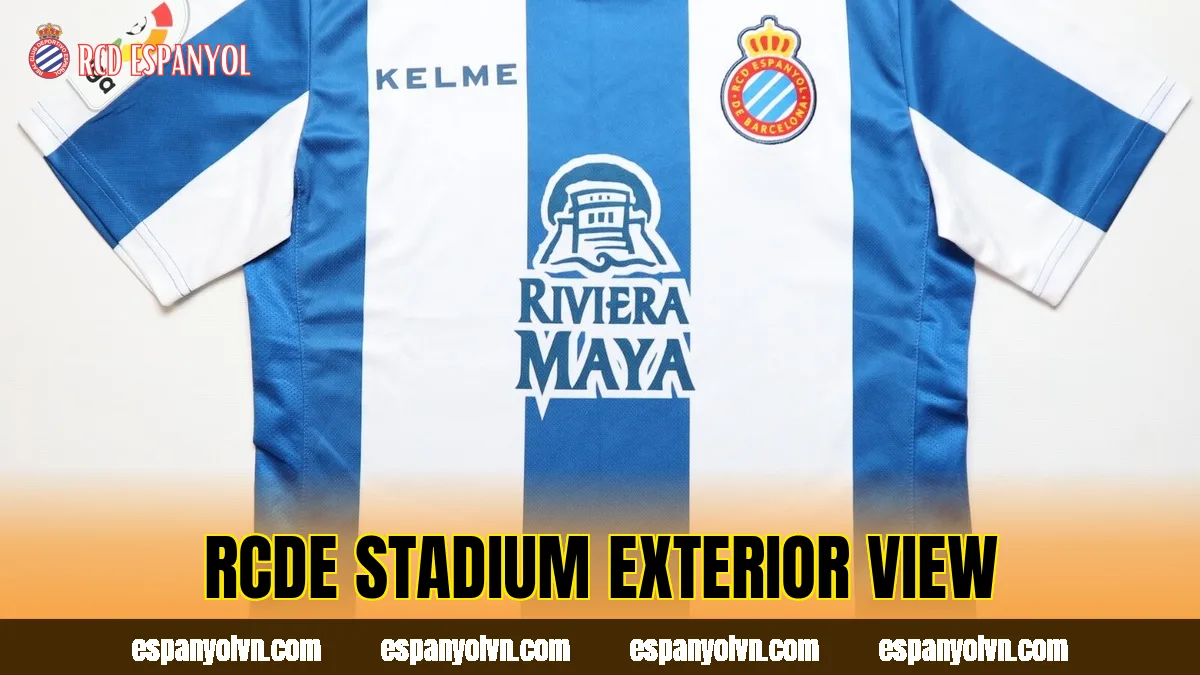
Few elements define a football club more deeply than its home ground, and for RCD Espanyol, the journey through various stadiums reflects the club’s evolving ambitions. From Sarrià to the Olympic Stadium and eventually to its current home, each venue has left a mark on the club’s identity and fan culture.
From Sarrià to the modern era
RCD Espanyol called the Estadi de Sarrià home for decades, and that ground became legendary among supporters for its intimate atmosphere and passionate crowds. When the club was forced to leave Sarrià in 1997 due to financial pressures, it marked the end of a deeply sentimental chapter in the club’s history. The memories built within those stands remain vivid for an entire generation of fans who grew up watching their team play there.
RCDE Stadium: A modern football fortress
The RCDE Stadium, opened in 2009 in Cornellà-El Prat, represents a bold step forward for the club’s infrastructure and commercial ambitions. With a capacity of over 40,000 seats, the venue offers a modern matchday experience while maintaining the club’s deep connection to its Catalan roots. RCD Espanyol designed this stadium to serve not only as a football arena but also as a multi-purpose entertainment hub for the entire region.
Atmosphere and fan culture at home matches
The Pericos — as the supporters of RCD Espanyol are affectionately known — bring an electric energy to every home fixture, creating an environment that visiting teams find genuinely difficult to handle. The ultras groups, particularly the Brigadas Blanquiazules, are known for their coordinated chants, colorful displays, and unwavering loyalty throughout the season. This passionate fan culture is one of the club’s most valuable and irreplaceable assets.
Key players who defined the club’s legacy
Throughout its long history, RCD Espanyol has been home to numerous talented players who left lasting impressions on the club and on Spanish football as a whole. Understanding these figures helps paint a clearer picture of what the club represents on the pitch.
Legends who wore the blue and white
RCD Espanyol produced and attracted many talented footballers over the decades, with names like Tamudo, Dani Jarque, and Sergio García becoming synonymous with the club’s identity. Raúl Tamudo, in particular, remains one of the most beloved figures in the club’s history, having scored over 150 goals across his two spells at the club. His dedication and loyalty to the Pericos made him an icon that transcends generations of supporters.
Dani Jarque: A symbol of heart and courage
The tragic passing of Dani Jarque in 2009 left an unfillable void at RCD Espanyol, but his memory continues to inspire the club’s players and supporters to this day. Jarque was not only a technically gifted defender but also a natural leader who embodied everything the club stood for in terms of character and commitment. His number 21 shirt was retired by the club as a permanent tribute to his extraordinary contribution.
Modern-day stars pushing the club forward
In recent years, RCD Espanyol has invested in developing and recruiting players capable of competing consistently in La Liga and beyond. Forwards like Javi Puado and midfielders with strong technical profiles have become key figures in the team’s efforts to stabilize their top-flight status. The club’s continued focus on youth development through its academy also ensures a steady pipeline of homegrown talent for the future.
Tactical identity and coaching philosophy explained
Understanding how RCD Espanyol approaches the game tactically reveals much about the club’s footballing philosophy and long-term vision. The coaching staff has consistently prioritized organization, defensive solidity, and quick transitions as core principles of the team’s playing style.
Defensive structure as a competitive weapon
RCD Espanyol has historically relied on well-organized defensive structures to compete against wealthier and more technically gifted opponents in La Liga. The team’s ability to absorb pressure and hit opponents on the counter has been a recurring theme across multiple coaching regimes. This pragmatic approach has helped the club punch above its weight on numerous occasions throughout its history.
Building from the back with purpose
More recent coaching philosophies at RCD Espanyol have emphasized ball-playing defenders and a structured build-up approach from the goalkeeper outward. This shift reflects a broader trend in modern football where possession and positional play are valued alongside defensive discipline. The club’s investment in technically capable center-backs and full-backs signals a genuine commitment to evolving its tactical identity.
Youth integration within the first-team setup
The coaching staff at RCD Espanyol has shown a consistent willingness to integrate academy graduates into the first-team squad when they demonstrate the required quality and maturity. This approach not only reduces transfer costs but also strengthens the emotional bond between the club and its local community. Players who come through the youth ranks tend to carry a deeper understanding of what it means to represent the Pericos.
The Derbi barceloní: Rivalry beyond the scoreline
No discussion of RCD Espanyol would be complete without examining the intense rivalry with FC Barcelona, known as the Derbi barceloní. This fixture carries enormous cultural, political, and sporting significance that extends far beyond what happens on the pitch.
Historical roots of a fierce local rivalry
RCD Espanyol and FC Barcelona have shared the city of Barcelona for over a century, and their relationship has been shaped by deeply contrasting identities and fan bases. While Barcelona has become associated with Catalan nationalism and global commercial success, Espanyol has traditionally represented a different segment of the city’s population. This contrast has fueled a rivalry that is as much about identity as it is about football results.
Memorable derby moments through the decades
Some of the most dramatic moments in RCD Espanyol‘s history have come against their city rivals, including shock victories that sent shockwaves through Spanish football. These results remind fans and observers alike that football’s beauty lies in its unpredictability, and that the Pericos are always capable of rising to the occasion. Each derby represents a chance for the club to assert its relevance and competitive pride on the biggest local stage.
What the derby means to Espanyol supporters
For supporters of RCD Espanyol, the derby against Barcelona is the most emotionally charged fixture of any season, regardless of league standings or form. Winning this match carries a symbolic weight that no other result can fully replicate, as it represents the triumph of the underdog against overwhelming odds. The passion and noise generated by the Pericos faithful during derby week is something that defines the very soul of the club.
Club structure, ownership, and financial overview
The business and organizational side of RCD Espanyol has undergone significant transformation in recent years, particularly following the club’s acquisition by Chinese investment group Rastar in 2015. This ownership change brought new financial resources but also introduced challenges around cultural integration and long-term strategic planning.
Chinese ownership and its lasting impact
Under the ownership of Chen Yansheng and the Rastar Group, RCD Espanyol gained access to investment that helped fund stadium improvements, player acquisitions, and international marketing initiatives. However, the relationship between the new ownership and the traditional fan base was not always smooth, with some supporters expressing concern about the club’s shifting identity. Navigating this tension between commercial growth and cultural preservation has been one of the defining challenges of the modern era.
Financial sustainability and transfer strategy
RCD Espanyol operates within a carefully managed financial framework that prioritizes sustainability over speculative spending, a model that has become increasingly important in post-pandemic European football. The club’s transfer strategy focuses on identifying undervalued talent in secondary markets and developing players who can be sold at a profit if the right opportunity arises. This disciplined approach has allowed the club to remain competitive without accumulating unsustainable levels of debt.
Academy investment as a long-term asset
The club’s La Masia-style youth academy has long been recognized as one of the better development systems outside the very top tier of Spanish football. RCD Espanyol invests significantly in its youth infrastructure, believing that homegrown players offer both financial and cultural value that cannot be replicated through the transfer market alone. This philosophy reflects a broader commitment to building a club that is rooted in its community rather than driven purely by short-term results.
Season performance and La Liga standing history
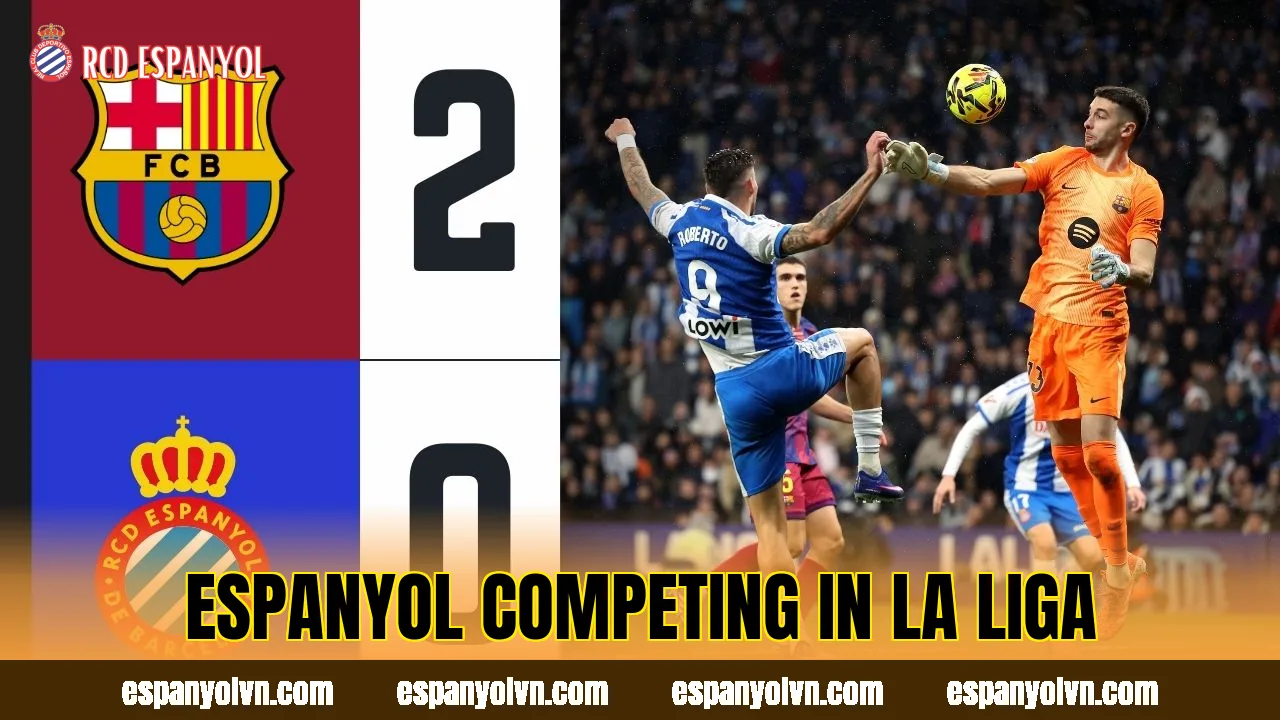
Tracking the seasonal performance of RCD Espanyol across different eras reveals a club that has oscillated between mid-table stability and the constant threat of relegation. Understanding this pattern is essential for anyone looking to follow or analyze the club’s competitive trajectory.
Promotion, relegation, and the fight to stay up
RCD Espanyol has experienced relegation from La Liga on multiple occasions, most notably in 2020 when a difficult season ended in a painful drop to the Segunda División. However, the club responded with characteristic resilience, winning promotion back to the top flight at the first attempt and demonstrating that its squad depth and organizational quality remained intact. These cycles of adversity and recovery have become part of the club’s identity and narrative.
European campaigns and continental ambitions
The club’s most celebrated European adventures came in the UEFA Cup, where RCD Espanyol reached the final on two separate occasions — in 1988 and 2007 — losing both on penalty shootouts in heartbreaking fashion. Despite falling short of lifting the trophy, these campaigns elevated the club’s profile significantly and demonstrated its ability to compete with the best teams on the continent. Returning to European competition remains one of the club’s primary long-term ambitions.
Current squad depth and position in the league
In the current era, RCD Espanyol continues to build a squad capable of competing in the upper half of La Liga while managing a realistic budget. The blend of experienced professionals and emerging academy talents gives the coaching staff flexibility across multiple systems and formations. Consistency remains the key challenge, as the club works to translate individual quality into sustained collective performance throughout a full season.
| Category | Detail |
|---|---|
| Full name | Reial Club Deportiu Espanyol de Barcelona |
| Founded | October 27, 1900 |
| Nickname | Pericos (Parakeets), Blanquiazules |
| Home stadium | RCDE Stadium, Cornellà-El Prat |
| Stadium capacity | ~40,500 |
| League | La Liga (Primera División) |
| Copa del Rey titles | 4 (1929, 1940, 2000, 2006) |
| UEFA Cup finals | 1988, 2007 (runner-up both times) |
| Current ownership | Rastar Group (Chen Yansheng) |
| Club colors | Blue and white |
Conclusion
RCD Espanyol stands as a genuinely fascinating club whose story combines passion, resilience, and a fierce determination to compete on its own terms within the demanding landscape of Spanish football. From its historic roots in early twentieth-century Barcelona to its modern-day ambitions in La Liga and beyond, the club continues to write compelling chapters in its long and proud history. Whether you are a longtime supporter or a newcomer discovering the Pericos for the first time, there has never been a better moment to follow this club’s journey.