Handball rule in football is one of the most debated topics among modern fans, coaches, and players, especially at elite clubs like RCD Espanyol where every decision can change a season. Understanding how referees interpret deliberate handling, accidental contact, and advantage situations helps you read the game more intelligently. In the age of VAR, tiny details such as arm position, distance, and intent can decide penalties, disallowed goals, and even red cards. This guide breaks everything down so you can follow every whistle with confidence.
Understanding the basic handball rule in football
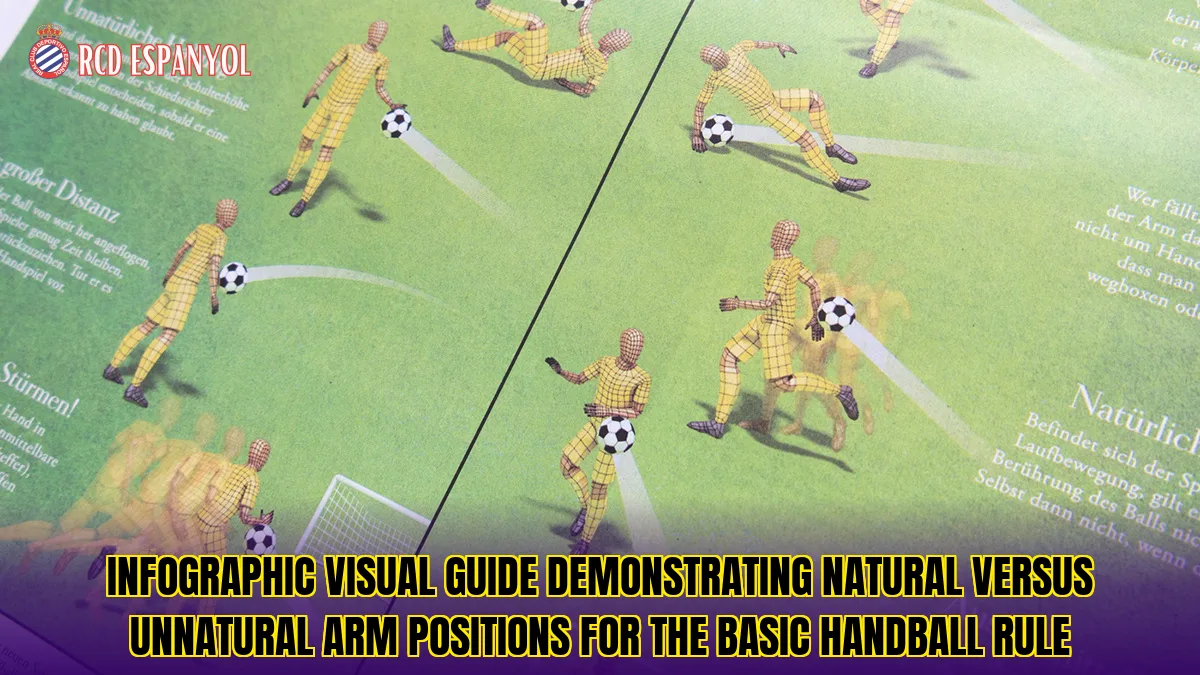
To truly follow top-level matches, you must first grasp the core logic behind the handball rule in football. The Laws of the Game define handling as a player deliberately touching the ball with the hand or arm, but interpretation has evolved. Today, referees look at body movement, whether the arm makes the player unnaturally bigger, and if the contact directly creates an attacking advantage. Clubs like RCD Espanyol prepare players with detailed briefings so they can adjust their defensive posture and avoid risky situations inside the box.
What counts as the hand and arm in modern football?
One crucial aspect of the handball rule in football is where the arm legally begins. According to IFAB guidance, the arm starts from the bottom of the armpit down to the hand, meaning the upper shoulder area is usually considered legal to play the ball. This distinction matters in crowded penalty areas where defenders jump to head crosses. If the ball brushes a player’s shoulder instead of the arm, play will normally continue. Clear knowledge of this boundary helps defenders time blocks more confidently without fear of an instant penalty.
Deliberate handling versus accidental contact
Another key pillar of the handball rule in football is the difference between intentional and accidental contact. Referees assess whether a player moves their hand toward the ball, or if the ball unexpectedly strikes a stationary arm. They also consider reaction time and distance between the kicker and the defender. For example, a powerful shot from close range that hits a natural arm position is less likely to be punished. Elite analysts study these patterns to predict how officials will treat borderline incidents across different leagues.
“Making the body bigger” and unnatural positions
Under the current handball rule in football, defenders are penalized more often when their arms extend away from the body, making themselves “unnaturally bigger”. This concept focuses on whether the arm position is justified by the player’s movement, such as jumping or sliding. If a defender spreads their arms wide while blocking a cross, referees often see that as taking a deliberate risk. Teams train players to keep arms close when challenging in the box, balancing natural motion with the need to avoid cheap penalties in tight matches.
How the handball rule in football affects defending and tactics
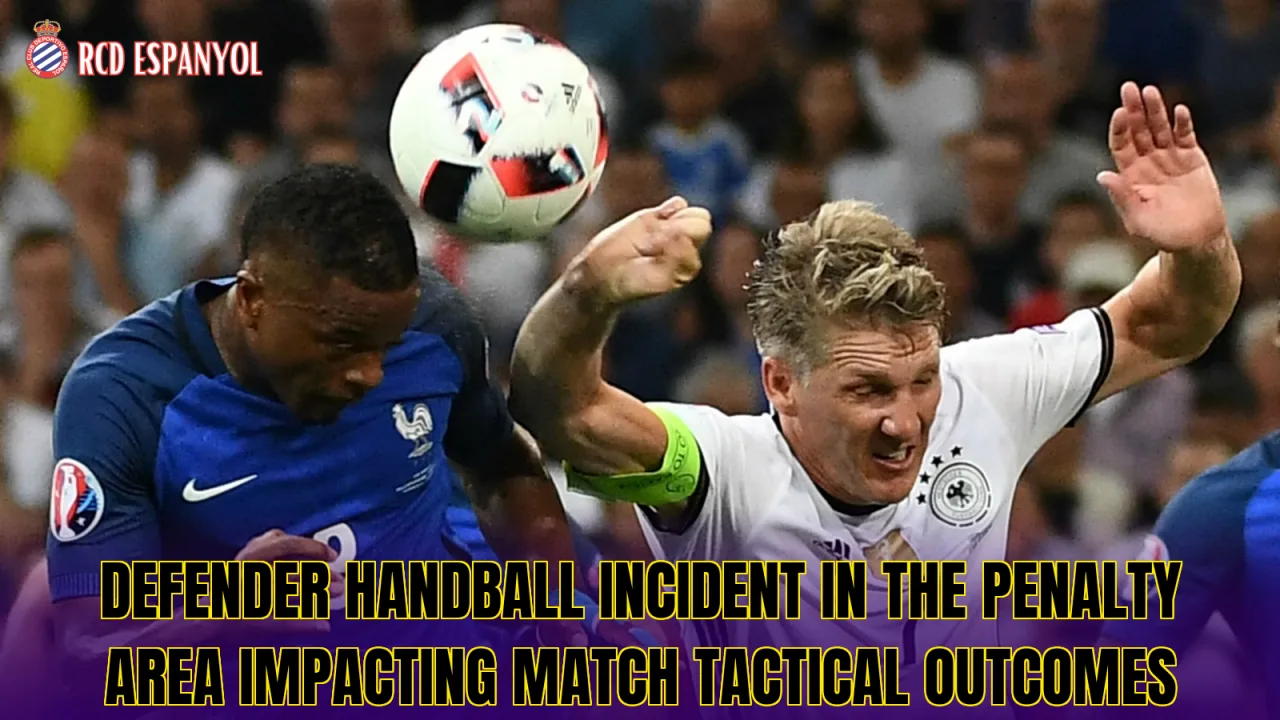
Modern defending has changed dramatically because coaches must adapt to the evolving handball rule in football. Clubs at the level of RCD Espanyol constantly refine defensive drills to reduce dangerous arm positions without sacrificing aggression. Full-backs and center-backs learn to adjust their body shape when blocking shots or crosses, keeping arms tucked while still attacking the ball. These tactical tweaks influence pressing intensity, sliding tackles, and how teams defend set pieces against creative opponents.
Defensive body shape inside the penalty area
Inside the box, the handball rule in football forces defenders to think about every step and turn. Coaches emphasize side-on body positions, hands behind the back, or arms tight to the torso when closing down wingers. While this can slightly reduce balance, it significantly lowers the chance of conceding a penalty. Video analysis teams clip every incident where a defender’s arm shape looks risky, then correct it in training. Over time, players internalize these habits and react instinctively during high-pressure moments.
Sliding tackles and block attempts
Sliding challenges are one of the most delicate situations under the handball rule in football. When defenders go to ground, their arms naturally spread for balance, but referees judge if that spread is excessive. To avoid punishments, modern coaching encourages sliding with one arm tucked and the other used minimally for support. If the ball strikes a clearly extended arm that blocks a shot on goal, a penalty and even a card are likely. Intelligent defenders weigh the risk of sliding versus staying on their feet to shepherd attackers away.
Pressing strategy and risk management
High-pressing teams also adapt their approach because the handball rule in football can punish aggressive challenges. Midfielders and forwards are trained to press with compact arms, avoiding desperate lunges that could lead to accidental handling. Tactical analysts evaluate where pressing traps are set so players face opponents from safer angles. This reduces situations where a deflected pass unexpectedly ricochets onto an arm. In tight league campaigns, minimizing such marginal calls can be the difference between victory and a costly dropped point.
VAR, referees, and the evolving handball rule in football
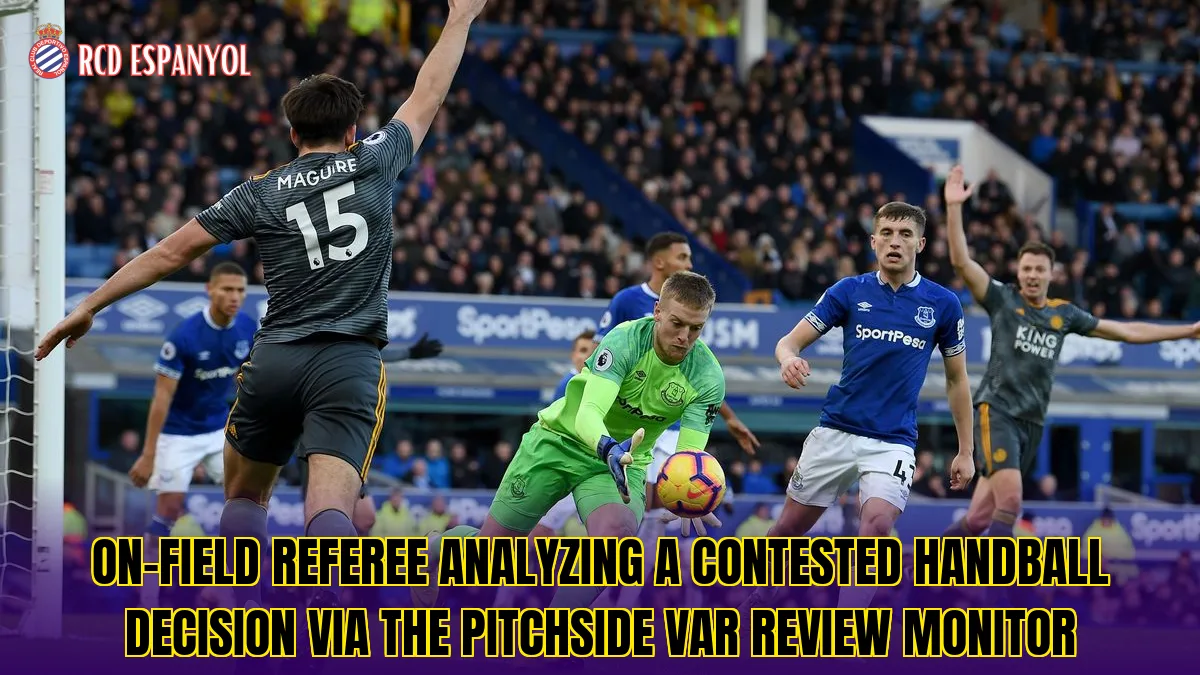
The introduction of VAR has completely transformed how the handball rule in football is applied at professional level. Every potential handball in the penalty area can be reviewed in slow motion from multiple angles. While this increases accuracy, it also magnifies tiny contacts fans might previously have missed. Clubs like RCD Espanyol now analyze VAR trends to understand how specific referees interpret marginal situations, helping players anticipate which actions are more likely to be penalized in each competition.
How VAR reviews handball incidents
Under the current handball rule in football, VAR intervenes when there is a clear and obvious error in a key incident such as a goal, penalty, or red card. The video assistant checks arm position, distance, deflections, and whether the contact directly leads to a scoring opportunity. If the evidence suggests a likely mistake, the on-field referee is invited to the monitor for a closer look. This process aims to combine technology with human judgment, though interpretations can still vary between different officiating crews.
Common handball scenarios and likely decisions
Fans can better anticipate calls by learning how the handball rule in football is typically interpreted in recurring situations. For instance, a defender jumping with arms above shoulder height is at high risk if the ball strikes them. Conversely, a player with arms close to the body facing away from a deflected shot is less likely to be punished. When attackers accidentally handle the ball immediately before scoring, goals are usually disallowed. Recognizing these patterns makes televised debates easier to follow and less frustrating.
Comparing interpretations across competitions
Although the Laws are global, the handball rule in football can feel different between domestic leagues and international tournaments. Some competitions encourage referees to be stricter on arm extension, while others prioritize flow and minimize penalties for minor contact. Clubs and national teams study these trends before major events so players adjust their behavior accordingly. Supporters who follow multiple leagues quickly notice these nuances, which explains why the same incident might be judged differently in Europe and elsewhere.
| Situation | Key Factors | Typical Outcome |
|---|---|---|
| Shot hits arm from close range | Reaction time, natural position | Often no penalty if arm is close to body |
| Cross hits outstretched arm | Arm making body bigger, distance | Frequently penalized, penalty likely |
| Attacker scores after handball | Immediate control, advantage gained | Goal usually disallowed |
| Ball brushes shoulder area | Contact zone above armpit | Play normally continues |
| Deflection from teammate onto arm | Speed, intent, arm position | Decision varies, context-dependent |
Practical tips to understand the handball rule in football like an expert
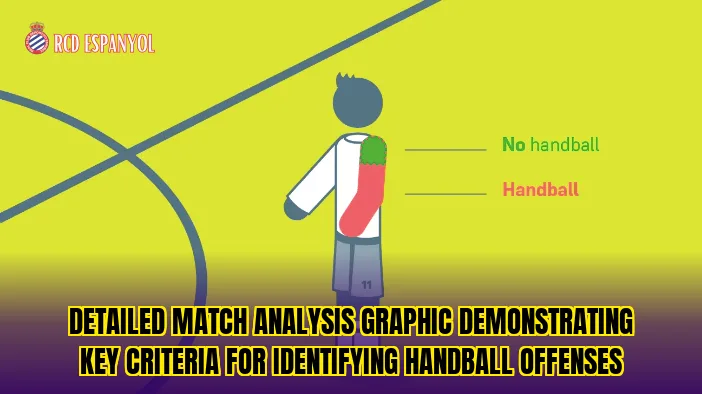
To follow matches like a tactical analyst, you need a structured way of reading the handball rule in football in real time. Instead of reacting emotionally to every whistle, focus on arm shape, distance, and the immediate outcome of the contact. Supporters of RCD Espanyol and other clubs can train their eye during replays, pausing key frames to check whether the defender genuinely made themselves bigger. With practice, your first instinct will often match the referee’s final decision.
Key questions to ask during every handball shout
When a potential incident occurs, apply a simple mental checklist based on the handball rule in football. Ask yourself: Did the arm move toward the ball? Was the distance so short that reaction was impossible? Did the contact create or stop a clear chance? Was the arm in a natural position for that body movement? By running through these questions, you shift from emotional reactions to informed analysis, making post-match conversations more insightful and grounded in the Laws.
How players and coaches adapt in training
At professional level, daily training reflects the practical demands of the handball rule in football. Defenders practice blocking with controlled arm positions, while goalkeepers learn to avoid handling outside the box under pressure. Coaches design drills that simulate crosses, cut-backs, and deflected shots, forcing players to react while keeping arms safe. Video sessions highlight both good and bad examples from recent games, turning each weekend’s controversy into a learning opportunity that sharpens squad discipline.
- Defensive shadow play with arms tight to the body
- Cross-blocking drills emphasizing safe arm angles
- VAR-style video reviews of training incidents
- Position-specific guidance for full-backs and center-backs
Why consistent interpretation matters for fans and clubs
Consistency is the biggest challenge in applying the handball rule in football, and it affects everyone from players to supporters. When referees and VAR teams apply similar standards week after week, clubs can adapt tactics more confidently and fans feel decisions are fairer. Transparent communication from governing bodies also helps explain any seasonal adjustments. As interpretations slowly evolve, staying informed ensures you understand not just what the current law says, but how it is actually enforced on the pitch.
Conclusion
In the modern game, mastering the handball rule in football is essential for anyone who wants to analyse matches with real authority. From defining what counts as the arm, to judging intent, distance, and “making the body bigger”, every detail shapes penalties, disallowed goals, and momentum swings. VAR has added precision but also new layers of debate, making it even more important to follow the Laws of the Game and how referees apply them in practice. By watching arm positions, reaction times, and the immediate impact of each contact, you can predict many decisions before the referee even blows the whistle. For deeper insights into tactics, technique, and elite match analysis, visit RCD Espanyol and continue building your understanding of how small margins define success at the highest level.
See also: Handball rules in football – an engaging topic for beginners;
learn more in this article
how to improve first touch in soccer.