How to curve a soccer ball is an essential technique for players who want to improve passing, crossing, free kicks, and finishing. A well-curved ball can travel around defenders, move toward a difficult angle, or bend into the far corner of the goal. The skill depends on controlled body movement, accurate contact, proper foot positioning, and consistent practice. With the right drills and technique, beginners can gradually develop reliable curl and greater confidence.
How to Curve a Soccer Ball With Proper Technique
The foundation of how to curve a soccer ball is built around balance, approach, contact, and follow-through. Learning these fundamentals first makes advanced curling techniques easier and more consistent.

Choose the Correct Approach Angle
A good approach gives your kicking leg enough space to move naturally across the ball. For an inside-foot curl, approach from a slight diagonal angle instead of running directly toward the target. Keep your final steps controlled and avoid rushing before contact.
Strike the Correct Part of the Ball
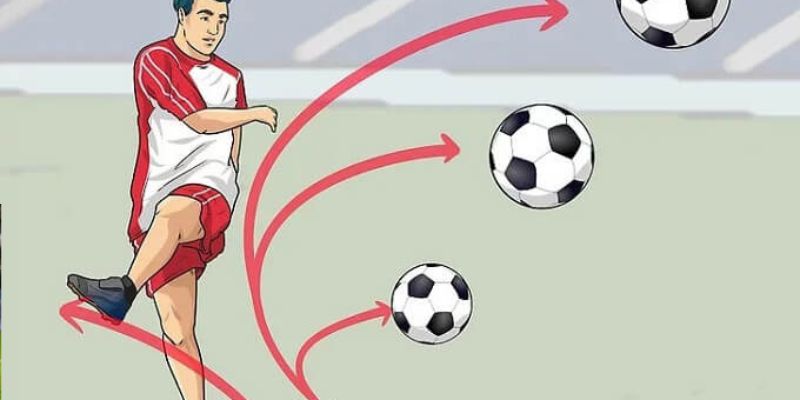
The contact point is one of the most important factors when learning how to curve a soccer ball. For a traditional inside-foot curl, strike slightly below and to the side of the ball’s center. This creates a combination of lift and sideways rotation.
Use the Right Follow-Through
Your follow-through influences the direction and quality of the curve. After striking the ball, allow your kicking leg to continue across your body rather than stopping immediately. This natural movement helps maintain the sideways rotation created at impact.
How to Curve a Soccer Ball in Different Ways
Different match situations require different types of curl. Players can change the contact point, foot surface, trajectory, and power to produce several useful variations.
Inside-Foot Curl
The inside-foot technique is usually the best place to begin practicing how to curve a soccer ball. Strike the ball slightly off-center with the inside of your foot while keeping your ankle stable. Brush across the ball instead of driving directly through its center.
Outside-Foot Curve
The outside-foot technique produces curl in the opposite direction and can surprise defenders. Contact the ball with the outside portion of your kicking foot while maintaining a firm ankle. Your leg should continue naturally after impact rather than stopping abruptly.
High and Low Curves
The trajectory of a curling ball depends on the contact point and body position. Striking slightly underneath the ball can create more lift, while contacting closer to the middle usually produces a flatter flight. Your chest position also affects how high the ball travels.
How to Practice Curling a Soccer Ball
Effective practice should focus on repetition and gradual progression. Simple drills help players develop consistent spin before they attempt difficult free kicks, crosses, or long-range finishes.
Start With Stationary Ball Drills
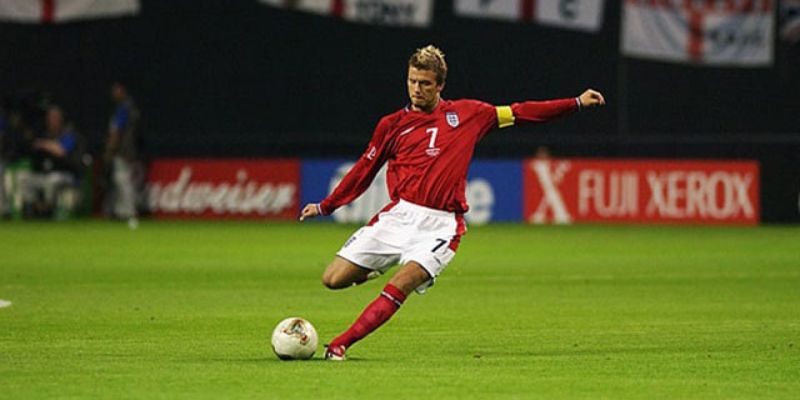
Place the ball on a flat surface and choose a clear target several meters away. Practice how to curve a soccer ball by repeatedly striking the same side of the ball with controlled power. Watch the rotation carefully after every attempt.
Use Cones as Defenders
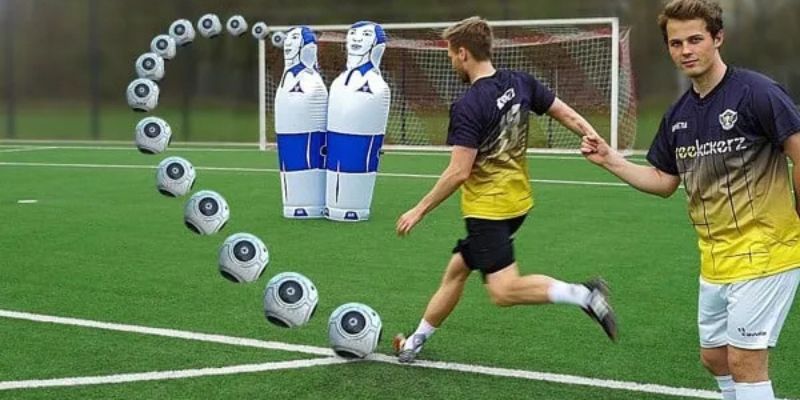
Place one or two cones between the ball and the target to represent defenders. Your objective is to bend the ball around the obstacle and toward a specific target. This drill teaches you to combine spin with directional accuracy.
Practice With Moving Targets
Ask a teammate to make short runs while you attempt curved passes into their path. This develops your ability to control both direction and speed. A moving target also teaches you to judge how much bend is useful for a particular pass.
How to Curve a Soccer Ball During Matches
The technique becomes most valuable when players understand when to use it.
Curving the ball can create passing lanes, avoid defensive pressure, and produce better shooting angles.
Curl Around a Defensive Wall
Free kicks provide one of the clearest opportunities to use how to curve a soccer ball techniques. A player can send the ball around one side of a defensive wall before bringing it back toward the goal. The required amount of bend depends on the wall and goalkeeper’s position.
Bend Crosses Into the Box
A curved cross can move away from defenders before dropping toward an attacking teammate. This makes the delivery harder to judge and can create dangerous scoring opportunities. The ideal amount of bend depends on where the receiver is positioned.
Create a Better Shooting Angle
Attackers can use curl when a defender blocks a direct route to goal. Instead of aiming straight at the goalkeeper, the player can bend the ball around the defender and toward the far side of the net. This is particularly effective from wide attacking positions.
How to Curve a Soccer Ball More Accurately
Consistent curl requires control over several variables at once. Players should learn to adjust spin, power, body position, and contact point according to the target and match situation.
Control Spin Before Power
When practicing how to curve a soccer ball, focus on producing reliable spin before trying to maximize distance. A ball that bends consistently with moderate power is more useful than a powerful strike that moves unpredictably.
Adjust the Contact Point
Small changes in contact can significantly alter the ball’s trajectory. Moving slightly lower on the ball can increase lift, while striking closer to the center creates a flatter flight. Contact farther to one side generally increases sideways rotation.
Train Both Feet
Developing curl with both feet gives players more options during matches. A player who can curve the ball with either foot can create better angles from both sides of the pitch. It also reduces dependence on the dominant foot when opponents apply pressure.
See more: soccer positions explained
Conclusion
how to curve a soccer ball effectively requires patience, repetition, and attention to technical details. The most important elements are a controlled approach, stable planting foot, locked ankle, accurate contact, and natural follow-through. Players should begin with moderate power and simple drills before progressing to obstacles, moving targets, free kicks, and match situations. For more practical soccer techniques, football training guides, and useful match tips, follow Espanyolvn.