How to improve first touch in soccer is one of the most valuable skills a player can develop because the first contact often determines what happens next. A clean touch gives you more time, creates space, and allows you to pass, dribble, or shoot more effectively. Whether you are a beginner or an experienced player, improving this skill requires proper technique, repetition, awareness, and realistic practice.
Why First Touch Matters in Soccer
A strong first touch helps players stay composed when receiving difficult passes and facing pressure. It also allows the next action to become quicker and more accurate.
Control the Ball Under Pressure
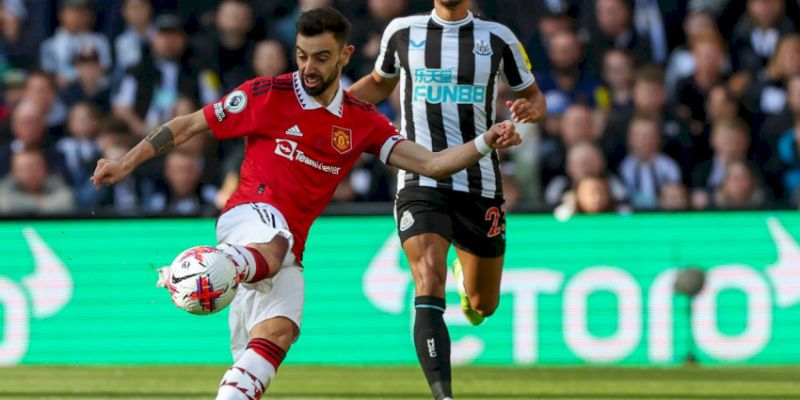
How to improve first touch in soccer starts with understanding that control is more than simply stopping the ball. Your first contact should ideally move the ball into a useful area rather than leaving it directly under your feet. This gives you options for the next action and makes it harder for defenders to win possession.
Create Space With Your First Touch
An effective first touch can be used to escape pressure and create space before the defender has time to react. Instead of receiving the ball straight toward your body, try directing it toward your stronger side or into an open area.
Prepare for the Next Action
The best first touch prepares the next movement. If you already know whether you want to pass, dribble, or shoot, you can position your body and control the ball accordingly.
How to Improve First Touch in Soccer With Technique
Technique provides the foundation for reliable ball control. Small adjustments in body position, contact point, and foot movement can make a significant difference.
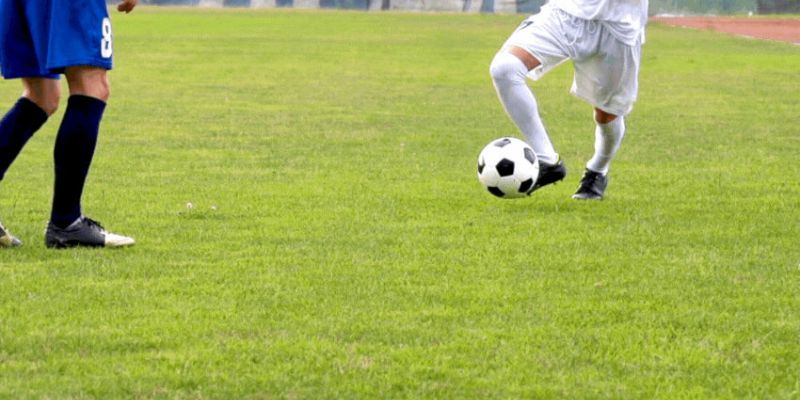
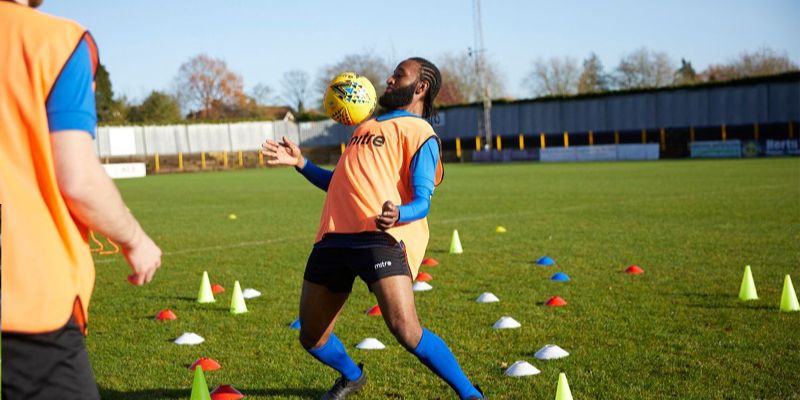
A guide to improving your first touch in football
Use the Correct Part of Your Foot
How to improve first touch in soccer effectively requires learning when to use different surfaces of the foot. The inside of the foot is useful for controlled passes and many ground receptions, while the sole can help when the ball arrives slowly or when you need to shield it.
Relax Your Foot at Contact
A common mistake is keeping the foot too rigid when receiving the ball. A relaxed foot can absorb some of the ball’s energy and help keep the touch close. When the ball approaches, slightly withdraw the foot as it makes contact rather than simply blocking the pass. This technique is particularly important for firm passes because a stiff foot can cause the ball to rebound several meters away.
Match Your Touch to the Pass
Different passes require different types of control. A slow pass may need a gentle touch, while a fast pass requires more cushioning to keep the ball nearby. Watch the speed, height, and spin of the ball before making contact. The more accurately you read the incoming pass, the easier it becomes to choose the right amount of force and direction.
Best Drills to Improve Ball Control
Regular practice is the fastest way to turn good technique into an automatic habit. Start with simple exercises and gradually introduce movement, weaker-foot work, and pressure.
Wall Passing and Receiving Drill
How to improve first touch in soccer can begin with a wall because it provides consistent repetitions without requiring another player. Stand a few meters from the wall and pass the ball firmly before receiving the rebound.
Two-Touch Passing Drill
The two-touch drill focuses on receiving with the first touch and passing with the second. Work with a partner or wall and try to make every reception purposeful. Instead of stopping the ball completely, guide your first touch slightly away from your body. This encourages quick movement and helps develop the habit of preparing the ball for the next action.
Moving First-Touch Drill
How to improve first touch in soccer becomes more challenging when you are moving instead of standing still. Have a partner pass the ball from different angles while you approach, move across, or check away before receiving.
Advanced Habits for Better First Touch
Once basic technique becomes comfortable, players should add decision-making and game-like pressure. These habits can make your first touch more useful during competitive matches.
Scan Before Receiving
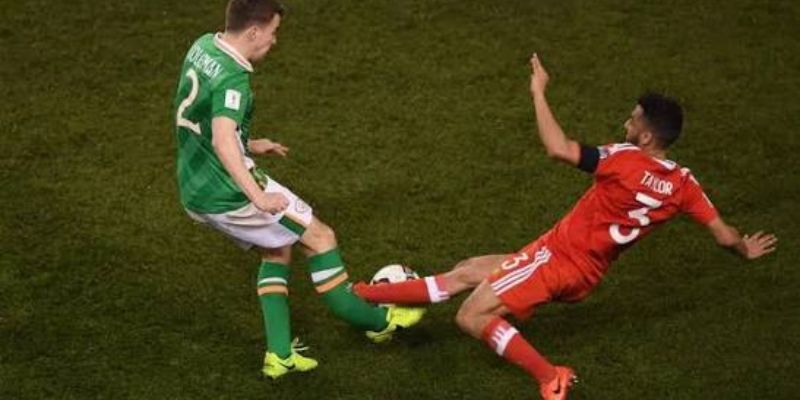
is closely connected to awareness. Before the ball arrives, quickly scan your surroundings to identify defenders, teammates, and available space.
Practice With Both Feet
Your first touch should not depend entirely on your dominant foot. Defenders can force you toward your weaker side, so being comfortable with both feet gives you more solutions.
Add Defensive Pressure
How to improve first touch in soccer at a high level requires practice that resembles an actual match. A defender can apply controlled pressure while you receive passes from different directions.
Common First-Touch Mistakes to Avoid
Many players practice frequently but still struggle because they repeat the wrong movements. Identifying common errors can make training more productive and accelerate improvement.
Watching Only the Ball
How to improve first touch in soccer requires more than focusing on the ball from the moment it is passed. Players who stare continuously at the ball often fail to notice defenders approaching from behind.
Stopping Every Ball Dead
A completely stationary first touch is not always useful. In a match, stopping the ball directly under your body can give a defender enough time to close you down. Instead, learn to guide the ball into space when appropriate. A directional touch can immediately create separation and allow you to continue moving without needing another adjustment.
Using Only the Strong Foot
How to improve first touch in soccer becomes much harder if you avoid your weaker foot. Predictable players are easier for defenders to pressure because they have fewer ways to escape.
See more: offside rule explained
Conclusion
How to improve first touch in soccer is ultimately about combining sound technique with intelligent decision-making and consistent repetition. Players should learn to relax the foot at contact, use both feet, direct the ball into useful space, and scan before receiving. For more soccer-focused content and practical football knowledge, follow Espanyolvn.