Football overlap and underlap tactics are among the most effective ways to unbalance organized defenses, and they are becoming essential for any team that wants to dominate possession and create high‑quality chances, including clubs like RCD Espanyol competing in demanding leagues. By coordinating runs, timing, and passing angles, teams can open central channels or wide corridors with surprising ease. This guide explores how these movements work, why they are so dangerous, and how coaches and players can implement them at both professional and amateur levels.
Understanding the basics of football overlap and underlap tactics
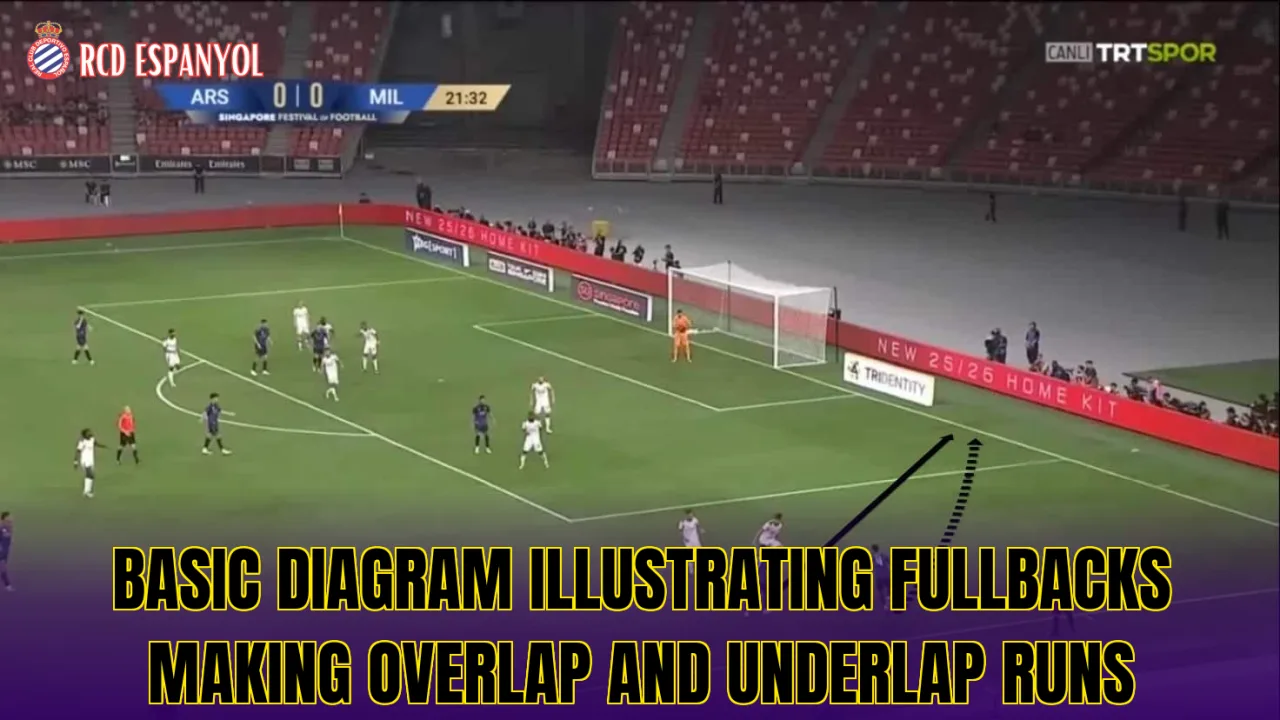
To use football overlap and underlap tactics effectively, players must first understand how defensive lines react to movement and space. Overlaps typically occur on the outside of the ball carrier, while underlaps attack the inside channel between full‑back and center‑back. Both actions force defenders into uncomfortable decisions that can open passing lanes. Before adding complex patterns, coaches should clarify roles, triggers, and communication cues so every run has a clear purpose.
Overlap vs underlap: key definitions
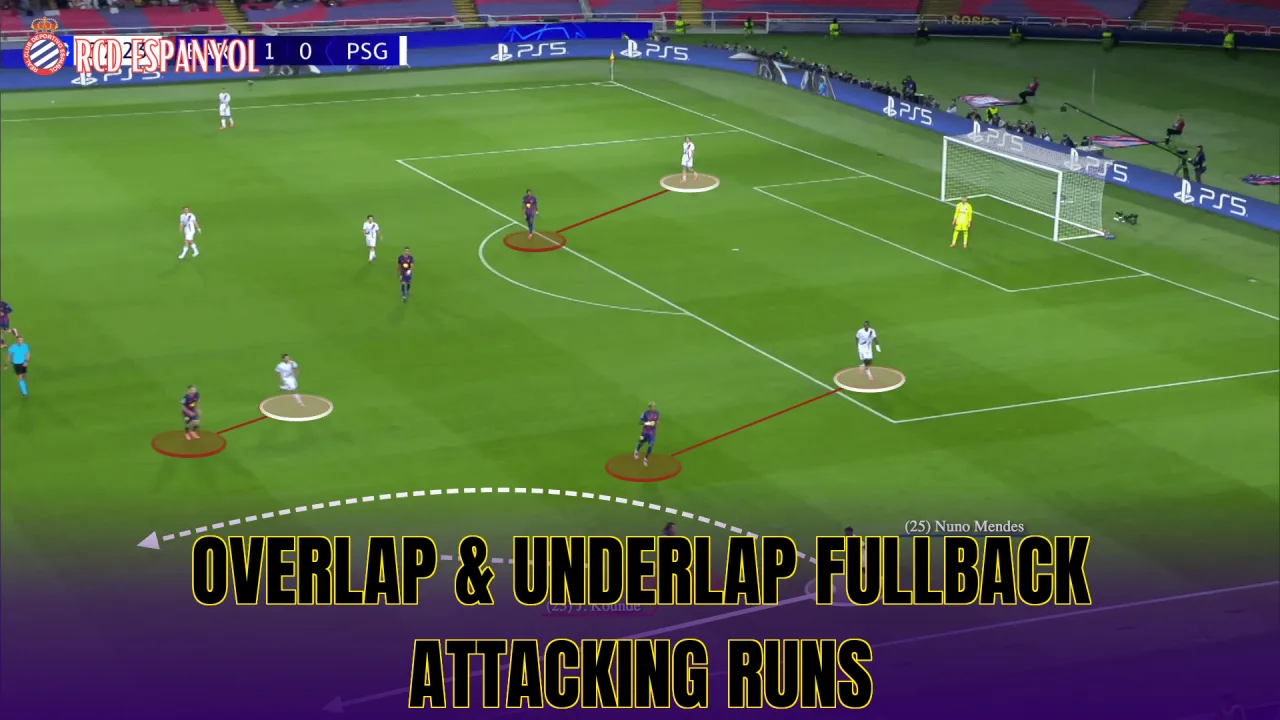
An overlap happens when a supporting player runs around the outside of the teammate in possession, usually a full‑back sprinting beyond a winger down the flank. An underlap, by contrast, is an inside run, where a wide player or midfielder darts between defenders into the half‑space. In modern systems, football overlap and underlap tactics are often combined in mirrored patterns, creating confusion about who should be tracked. Clear terminology helps players recognize these moments instantly during high‑tempo matches.
Why these movements disrupt defensive blocks
Compact defensive blocks rely on maintaining clear lines and passing responsibilities, but coordinated overlaps and underlaps stretch these structures vertically and horizontally. When executed well, football overlap and underlap tactics force defenders either to follow runners and open gaps or to hold shape and concede time and space on the ball. This double bind is particularly effective against low blocks, where one well‑timed run can unlock a crowded penalty area.
The role of half-spaces in modern attacking play
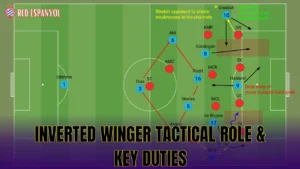
The half‑space, located between the central channel and the wing, is a prime zone for underlapping runs that support football overlap and underlap tactics. Attacks launched through this corridor offer better shooting angles and more dangerous cut‑backs than simple wing crosses. Elite clubs, including RCD Espanyol in tactical training, often design patterns specifically to exploit these pockets. By placing creative midfielders or inverted wingers in the half‑spaces, teams can overload key areas and break lines repeatedly.
How football overlap and underlap tactics create overloads
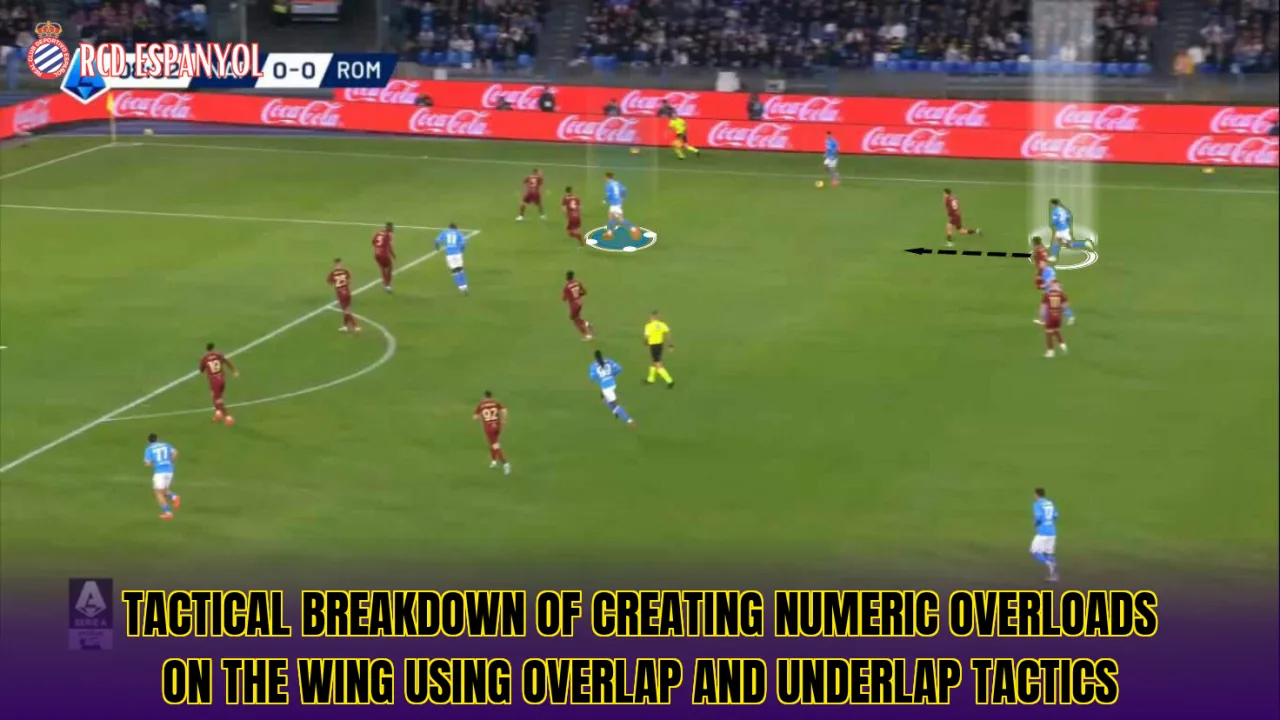
One of the main strengths of football overlap and underlap tactics is their ability to generate numerical superiority around the ball. When an extra runner joins the attack at the right moment, defenders are forced into temporary two‑versus‑one or three‑versus‑two situations. This overload can appear on the wing, in the half‑space, or even near the edge of the box. RCD Espanyol and many other sides use these patterns to transform static possession into dynamic, goal‑threatening moves.
Wide overloads and crossing opportunities
Traditional overlaps are perfect for creating wide overloads that lead to cut‑backs or whipped crosses. In a classic pattern within football overlap and underlap tactics, the winger receives to feet, draws the full‑back tight, and then releases the overlapping full‑back into space. The defending winger must either track the runner, exposing central zones, or leave the full‑back free to cross. Intelligent positioning of the striker and opposite winger then turns these deliveries into high‑percentage chances.
Central overloads through underlapping runs
Underlaps are especially powerful for generating central overloads just outside the penalty area. When teams apply football overlap and underlap tactics with inverted wingers, the wide player drifts inside on the ball while a midfielder or full‑back surges through the inner channel. This movement can pull a center‑back out of the line, opening a lane for through balls or third‑man runs. RCD Espanyol have used similar concepts to connect midfield lines and bring attacking midfielders into shooting positions.
Using rotations to confuse marking schemes
Positional rotations amplify the impact of football overlap and underlap tactics by making defensive marking assignments unclear. For example, a winger may drop deeper while the full‑back pushes high and a central midfielder drifts wide, creating a fluid triangle. When these rotations are synchronized with overlapping or underlapping runs, defenders struggle to decide who to follow. This confusion often leads to late tracking, leaving crucial spaces unprotected in the final third.
Implementing football overlap and underlap tactics in training
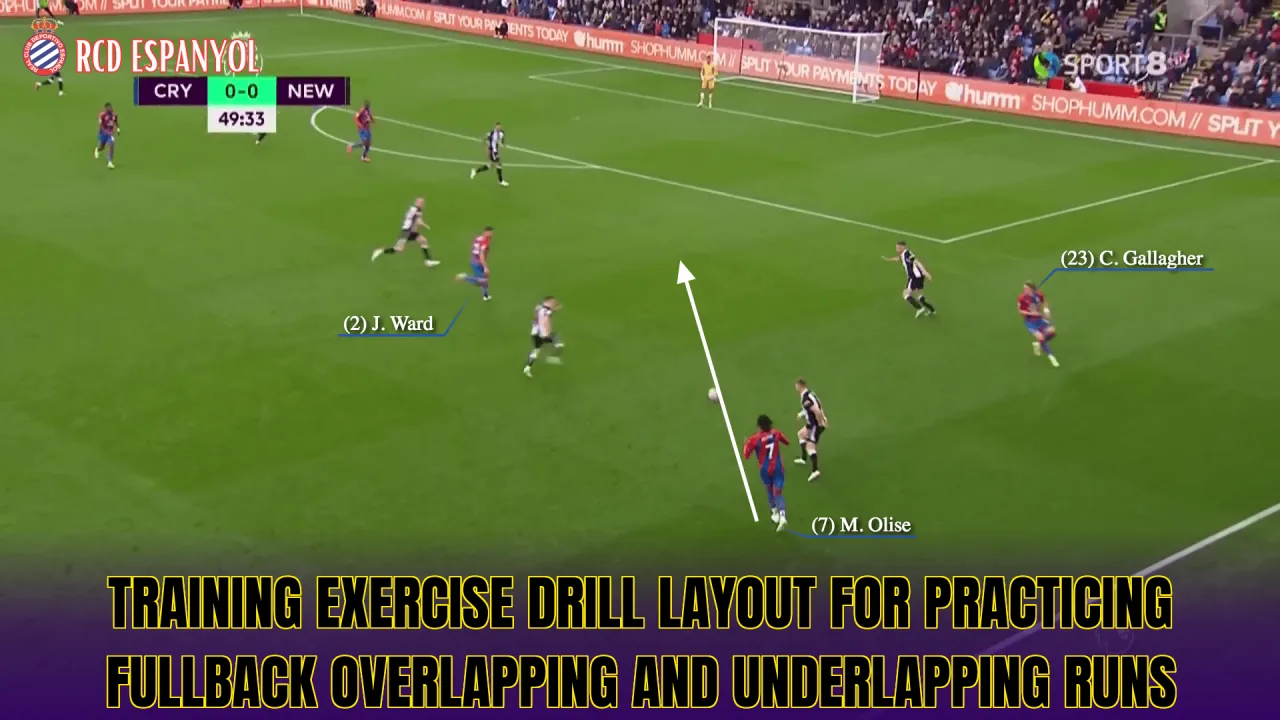
To translate theory into performance, coaches must design training sessions that simulate real match conditions while emphasizing timing and decision‑making. Drills for football overlap and underlap tactics should include pressure, directional play, and clear end products like crosses or shots. RCD Espanyol and other professional clubs typically blend pattern play, small‑sided games, and video analysis to reinforce these concepts. Amateur teams can adapt the same principles with simpler exercises and clear coaching points.
Core drills to teach timing and angles
Effective drills focus on when to run, not just where to run, because poor timing can kill the advantage of football overlap and underlap tactics. A basic exercise starts with a back‑four, two wingers, and a central midfielder attacking against mannequins or passive defenders. The winger receives, drives inside or outside, and waits for the overlapping or underlapping run before releasing the pass. Coaches then add live defenders to test decision‑making under pressure.
Progressive small-sided games with constraints
Small‑sided games are ideal for embedding football overlap and underlap tactics in realistic contexts. Coaches can impose scoring bonuses for goals created from overlaps or underlaps, encouraging players to look for these patterns. In a 6v6 or 7v7 format, wide channels or half‑space lanes can be marked on the pitch, rewarding teams that exploit them. Over time, players learn to recognize triggers such as a defender stepping out or a teammate receiving with their back to goal.
Video analysis and feedback loops
Modern teams rely heavily on video to refine football overlap and underlap tactics, highlighting both successful runs and missed opportunities. Clips from elite matches or internal training sessions can be paused just before key decisions, asking players what they would do. RCD Espanyol analysts, for instance, might tag every overlapping action in a game to show patterns of success. Consistent feedback helps players fine‑tune their timing, body orientation, and communication signals.
Key roles and responsibilities in football overlap and underlap tactics
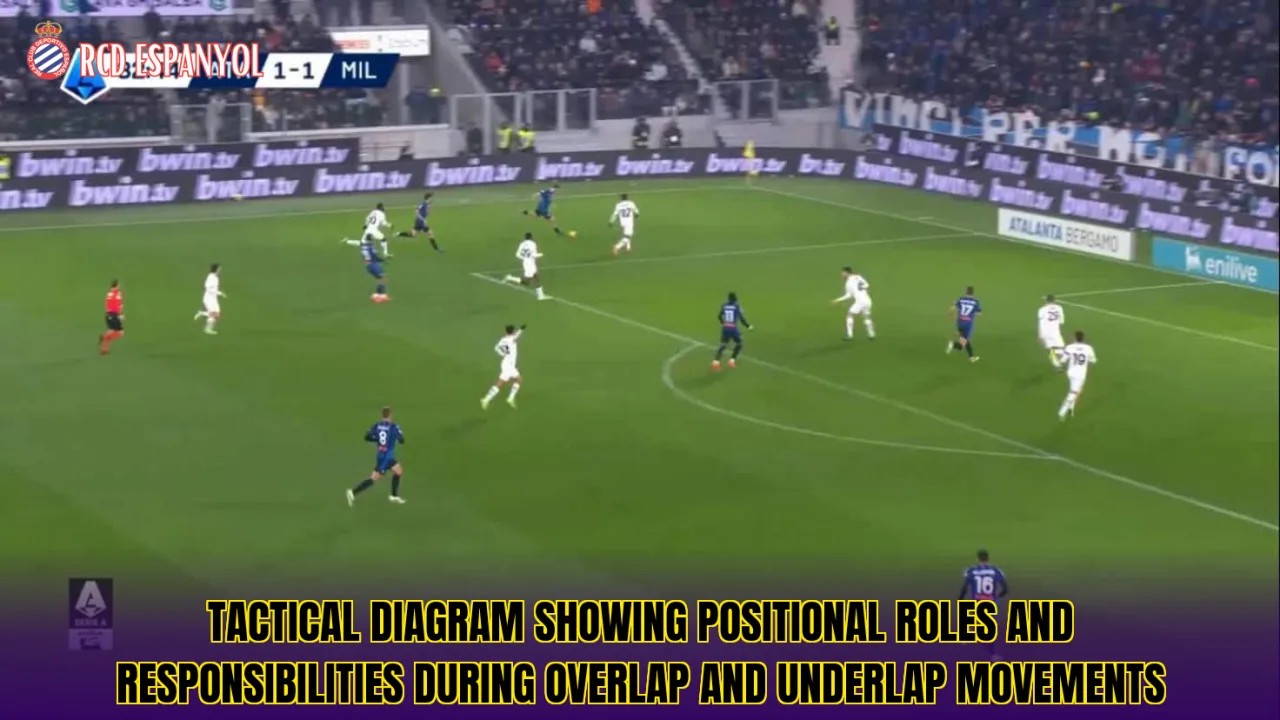
Not every player performs the same function within football overlap and underlap tactics; responsibilities differ by position and system. Full‑backs, wingers, and central midfielders must coordinate their movements to avoid occupying identical spaces. Clear role definition ensures that one player stretches the defense while another supports or covers. When executed correctly, these coordinated actions allow teams like RCD Espanyol to attack aggressively without losing defensive balance.
Full-backs and wing-backs as primary runners
Full‑backs and wing‑backs are usually the main runners in football overlap and underlap tactics because they approach the final third from deeper starting positions. Their late, explosive runs are difficult for defenders to track while also monitoring the ball. Coaches should train them to scan the winger’s body shape, looking for cues that signal when to go outside or inside. Defensive transition must also be addressed so these players can recover quickly if possession is lost.
Wingers and attacking midfielders as playmakers
Creative wingers and attacking midfielders often act as the decision‑makers who trigger football overlap and underlap tactics. They must recognize when a defender is isolated and whether an outside or inside run will cause more damage. Their weight of pass, first touch, and ability to disguise intentions all influence the success of these patterns. With proper coaching, they can turn routine wide possession into devastating combination play around the box.
Holding midfielders and center-backs providing cover
While the attacking players execute football overlap and underlap tactics, holding midfielders and center‑backs maintain the team’s structure behind the ball. A disciplined pivot player shifts across to protect spaces vacated by advancing full‑backs, reducing counter‑attack risk. Center‑backs must communicate constantly, sliding laterally to close channels and manage long balls. This balance between aggression and security allows teams to commit runners forward with confidence.
Comparing overlap and underlap patterns in football overlap and underlap tactics
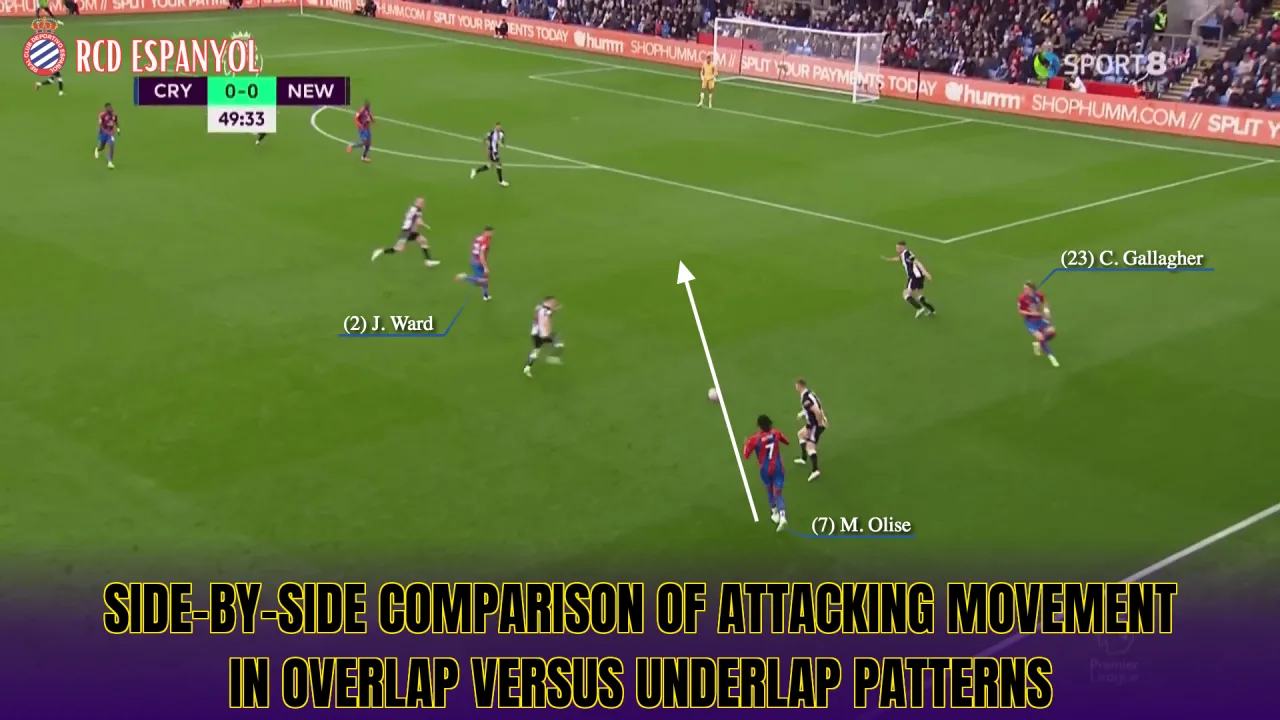
Different situations demand different solutions, so coaches must know when to favor overlaps or underlaps within broader football overlap and underlap tactics. Overlaps tend to be more effective against narrow defenses that concede wide spaces, while underlaps exploit teams that overprotect the touchline. The table below highlights key contrasts that can guide tactical choices for clubs at all levels, including structured sides such as RCD Espanyol.
| Pattern Type | Main Zone Attacked | Best Used Against | Primary Outcome |
|---|---|---|---|
| Overlap | Wide channel near touchline | Narrow back four or compact 4‑4‑2 | Crosses, cut‑backs, wide overloads |
| Underlap | Half‑space and inner channel | Teams that overprotect wings | Through balls, central shots |
| Combined | Wide and central zones alternately | Man‑marking or hybrid systems | Rotations, deep defensive confusion |
Selecting the right pattern for each game phase
The best coaches adjust football overlap and underlap tactics according to game state, opponent shape, and pitch zones. Early in matches, overlaps might be used to pin back full‑backs and create territory, while underlaps become more frequent as defenders tire. In transition moments, a quick underlap into the half‑space can be lethal against disorganized lines. Constant assessment from the touchline ensures that the chosen pattern matches the evolving tactical picture.
Combining overlaps and underlaps in one move
Advanced attacking structures often merge both elements of football overlap and underlap tactics in a single sequence. A winger may initially receive wide, attract pressure, and then play inside to a midfielder while the full‑back overlaps. As the defense shifts, a second runner underlaps into the vacated inner corridor. This multi‑layered movement chain requires high football IQ but can dismantle even well‑drilled defensive units.
Common mistakes and how to avoid them
Poor spacing, mistimed runs, and predictable patterns are frequent problems when teams first adopt football overlap and underlap tactics. Players may start their runs too early, arriving offside or clogging the passing lane, or too late, missing the window of opportunity. Coaches should emphasize communication, visual cues, and repetition under fatigue to correct these issues. Over time, coordinated movement becomes instinctive rather than forced.
Conclusion
Throughout this guide, we have seen how football overlap and underlap tactics transform static possession into dynamic, incisive attacks by exploiting wide channels and half‑spaces with coordinated runs. When full‑backs, wingers, and midfielders time their movements correctly, they create overloads, drag defenders out of position, and open lanes for cut‑backs, crosses, and through balls. Training sessions that combine pattern play, small‑sided games, and video feedback help embed these ideas so they become second nature on match day. For ambitious teams, from grassroots sides to professional clubs like RCD Espanyol, mastering these patterns is a competitive necessity, not a luxury. By understanding roles, reading defensive cues, and choosing the right moment for overlaps or underlaps, any squad can significantly raise its attacking threat and turn territorial dominance into clear scoring chances.
See also: Engaging football overlap and underlap tactics for beginners – learn more at how to curve a soccer ball.