Inverted winger tactical role has become one of the most influential concepts in modern attacking football, shaping how elite clubs like RCD Espanyol build their offensive structures. Instead of hugging the touchline on their natural side, these players cut inside onto their stronger foot, opening new passing lanes and shooting angles. This change may look simple on paper, but it transforms how a team attacks, presses, and controls transitions across the full 90 minutes.
Understanding the inverted winger tactical role in detail
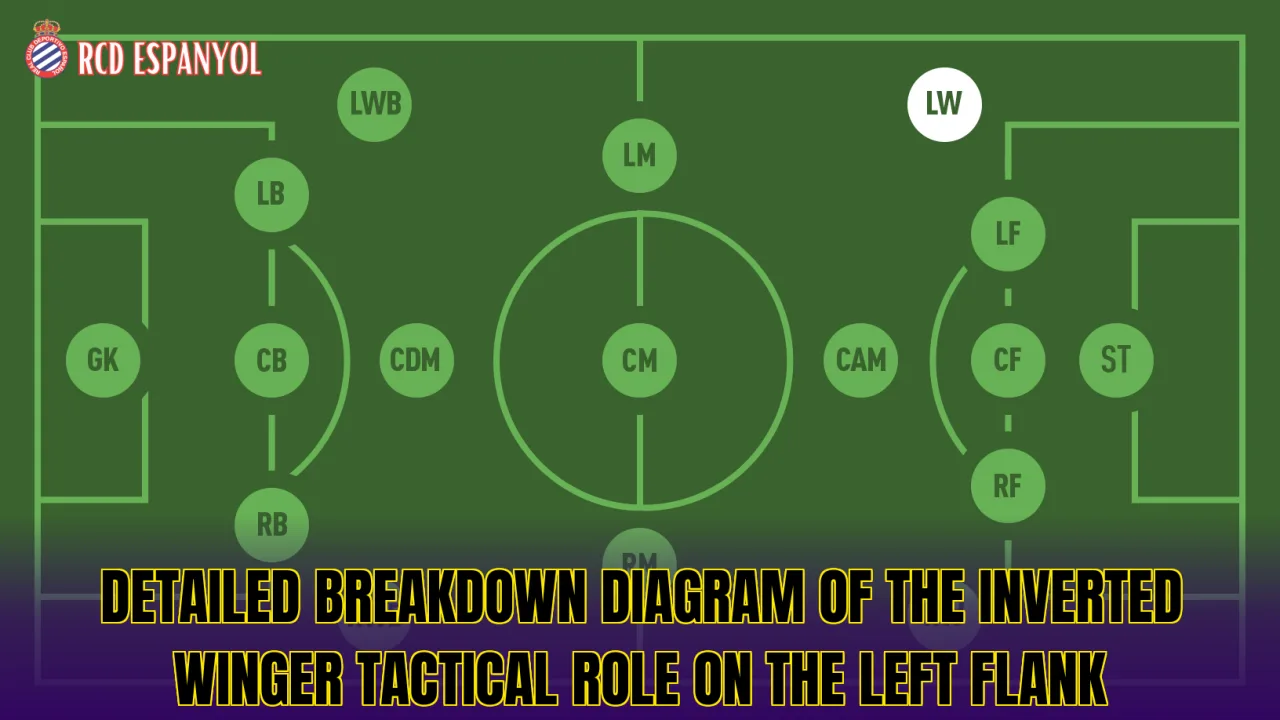
To truly understand the inverted winger tactical role, you need to look beyond basic positions on a formation graphic. This role connects midfield, full-backs, and strikers into a fluid attacking unit. When used correctly, it creates numerical superiority in the half-spaces and forces defenders into uncomfortable decisions. For clubs aspiring to play proactive, possession-based football, mastering this role is now almost a non‑negotiable requirement.
Core principles of movement and positioning
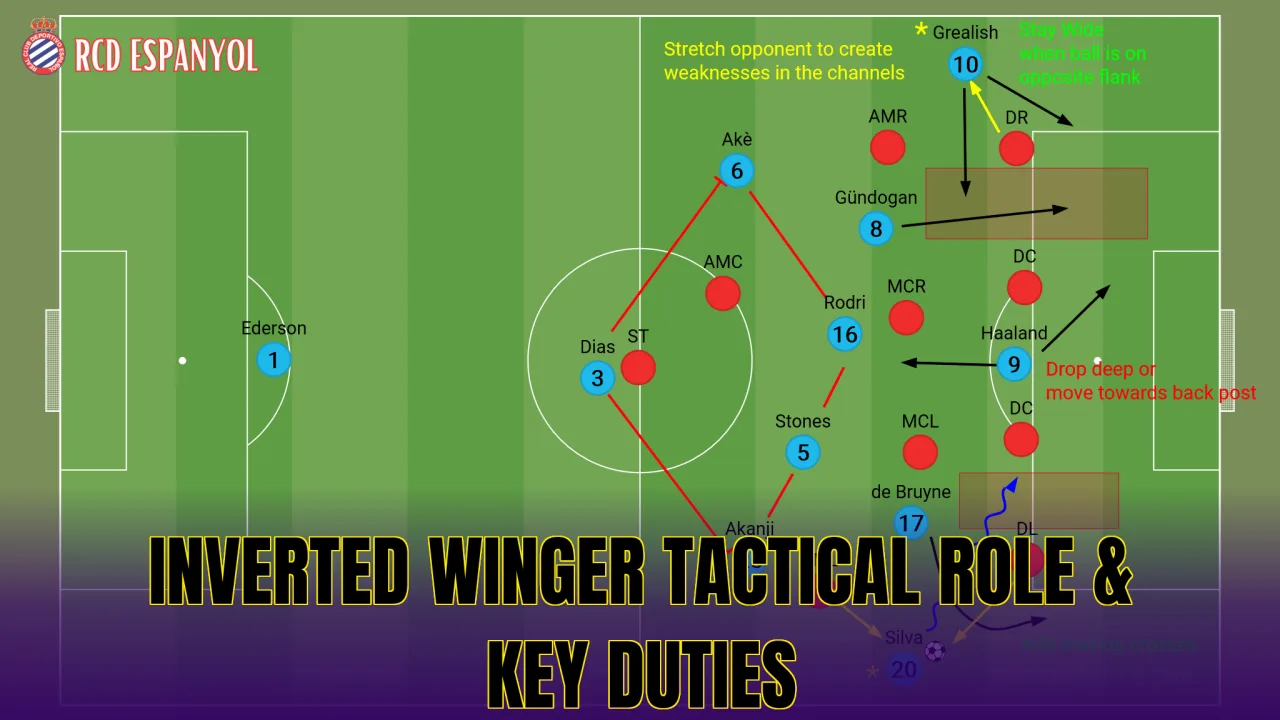
The essence of the inverted winger tactical role lies in starting wide and finishing actions in central or inside channels. A right-footed player on the left will receive on the touchline, then drive diagonally into the box, dragging defenders away from their zones. This movement opens space for overlapping full-backs and late-arriving midfielders. The constant in-out dynamic disorganizes rigid defensive blocks and enables quick combinations around the penalty area.
Body orientation and receiving angles
Another key layer of the inverted winger tactical role is body orientation while receiving between the lines. Players must open their hips toward goal, allowing them to attack the half-space with their first touch instead of being forced down the line. This subtle technical detail accelerates attacks and supports quick one-twos. It also makes it easier to unleash curled shots toward the far post, a trademark action of many top inverted wide forwards.
Synergy with overlapping full-backs
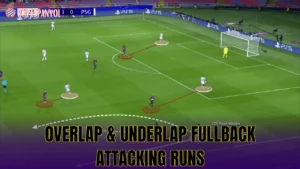
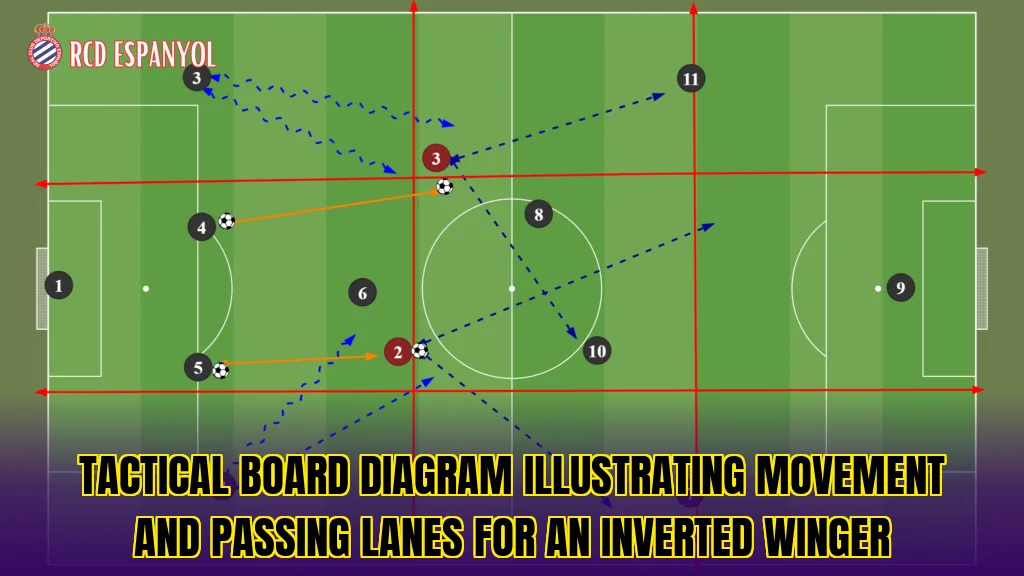
In any system using the inverted winger tactical role, full-backs become crucial attacking outlets. As the winger drifts inside, the full-back pushes high and wide to maintain width and stretch the back line horizontally. This partnership creates a constant dilemma for opposition full-backs: track the runner inside or follow the overlap. Well-coached teams rehearse these patterns repeatedly so that both players instinctively recognize when to underlap, overlap, or recycle possession.
How the inverted winger tactical role shapes team tactics
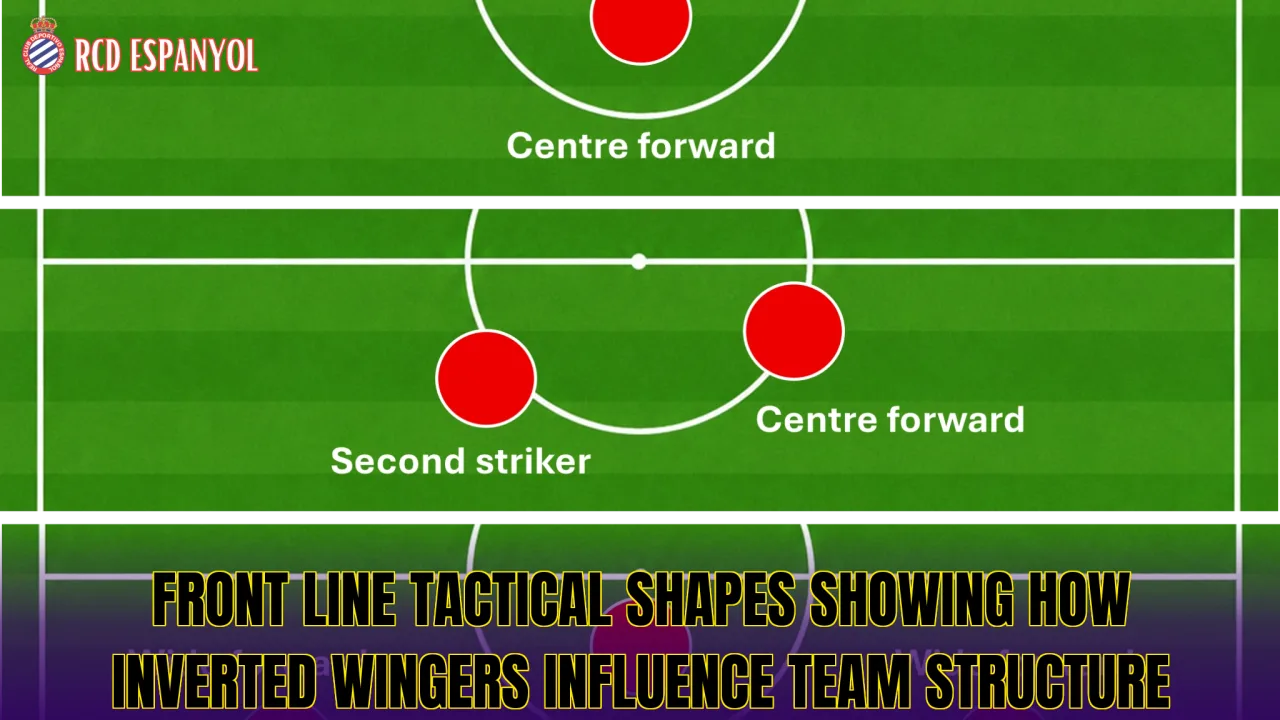
Once a coach commits to the inverted winger tactical role, the entire tactical structure must adapt. Central midfielders adjust their positions, the striker’s movements change, and even centre-backs alter their passing choices. Clubs like RCD Espanyol study these interactions carefully to maintain balance between creativity and defensive security. The role is not just about spectacular goals; it is about controlling key zones of the pitch over time.
Impact on build-up and progression
During the first phase of build-up, the inverted winger tactical role encourages centre-backs and deep midfielders to play vertical passes into the half-space. Instead of always going down the line, they look for diagonal balls into feet between opposition lines. This accelerates progression and allows the winger to turn and attack immediately. When rivals press high, this inside option becomes a vital outlet to bypass pressure and launch counters.
Creating overloads in the half-spaces
One of the main advantages of the inverted winger tactical role is the ability to create 3v2 or 4v3 overloads in key interior zones. By tucking inside, the winger joins the attacking midfielder and striker around the edge of the box. Opponents must either compress centrally, leaving the far side open, or stay wide and concede space between the lines. This is where RCD Espanyol and similar clubs design rehearsed patterns, such as third‑man runs and blind‑side movements, to exploit any hesitation.
Influence on pressing and defensive transitions
Defensively, the inverted winger tactical role also shapes how teams press and counter-press. Because the winger often occupies central channels when possession is lost, they are better placed to close passing lanes into the pivot or centre-backs. This helps maintain compactness and supports an aggressive counter-press. When opponents try to switch play quickly, the inverted winger can jump to the full-back while the team slides across, preserving the defensive block’s integrity.
Key skills for excelling in the inverted winger tactical role
To thrive in the inverted winger tactical role, a player needs more than pace and dribbling flair. Decision-making, spatial awareness, and timing become just as important as technical quality. Elite clubs, including RCD Espanyol, now develop wide players with multi-dimensional skill sets who can score, assist, and contribute to build-up. This evolution has blurred the lines between traditional wingers, number tens, and second strikers.
Dribbling, ball control, and 1v1 dominance
Dribbling remains a core weapon for anyone playing the inverted winger tactical role. However, the focus is often on tight control in congested areas rather than long sprints down the flank. Players must manipulate the ball with both feet, use body feints, and accelerate over short distances. Winning 1v1 duels inside the box or at the edge of the area forces defenders to commit, which in turn opens passing lanes to teammates making supporting runs.
Shooting technique and final-third productivity
One reason coaches love the inverted winger tactical role is the goal threat it generates. Cutting inside onto the stronger foot naturally sets up curled shots toward the far post or powerful strikes across the goalkeeper. Players must master different finishing techniques: placed efforts, driven shots, and quick toe-pokes when space is tight. Consistent end product turns an inverted winger from a stylistic choice into a genuine match-winner.
Vision, passing range, and combination play
Because the inverted winger tactical role brings wide players closer to the striker and attacking midfielders, vision and passing become vital. Short wall passes, disguised through-balls, and chipped crosses to the far post all feature heavily. A top-level inverted winger reads defensive lines early, recognizing when to slip a teammate in behind or when to recycle possession. This blend of creativity and composure under pressure is what separates average players from elite wide forwards.
How RCD Espanyol can maximize the inverted winger tactical role
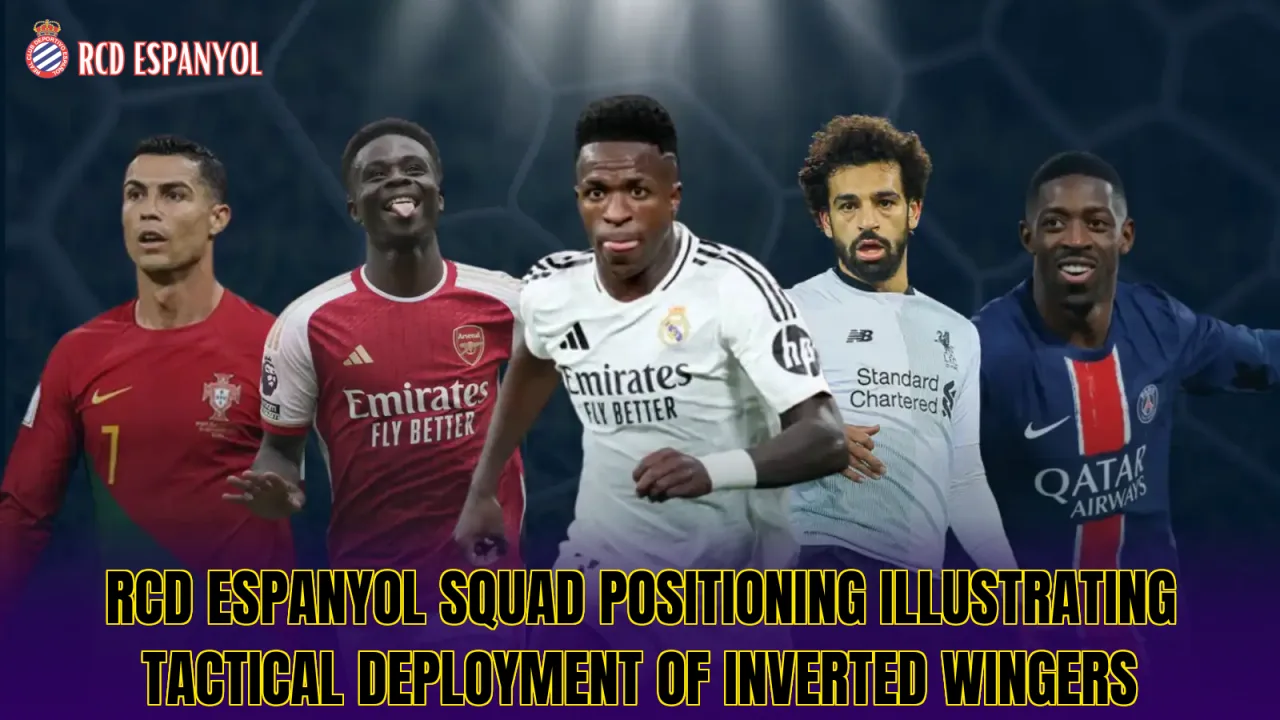
For a club like RCD Espanyol, optimizing the inverted winger tactical role means aligning recruitment, training, and match strategy. Coaches must choose profiles who can both score and combine in tight spaces, then design patterns that highlight those strengths. The club’s tactical identity can evolve around flexible wide forwards who interchange positions, making it harder for opponents to predict attacking routes or isolate key threats.
Choosing the right player profiles
When building around the inverted winger tactical role, scouting focuses on technical and cognitive attributes rather than just raw speed. Ideal candidates are comfortable receiving under pressure, can shoot accurately from the edge of the box, and understand when to drift wide again to stretch play. RCD Espanyol can particularly benefit from players who are tactically disciplined, ensuring the team does not lose width entirely when both wingers cut inside simultaneously.
Training patterns and automatisms
To fully embed the inverted winger tactical role, training sessions must include repeated pattern play. Coaches rehearse sequences where the winger receives in the half-space, combines with the striker, and releases the overlapping full-back. Over time, these movements become automatisms, executed at game speed without hesitation. This structured approach allows RCD Espanyol to maintain fluidity in attack while still preserving positional balance and defensive rest defense.
Tactical variations and in-game adjustments
Another advantage of the inverted winger tactical role is its flexibility against different opponents. Against deep blocks, the winger can stay higher and narrower to overload central areas. Versus pressing teams, they may drop slightly deeper to offer a safe outlet and help progress the ball. RCD Espanyol can also switch flanks mid-game, moving an inverted winger to the opposite side to exploit a weaker full-back, adding an extra layer of unpredictability.
| Aspect | Inverted Winger Strengths | Tactical Impact |
|---|---|---|
| Positioning | Occupies half-spaces and inside channels | Creates overloads between lines |
| Finishing | Shoots on stronger inside foot | Higher goal threat from wide areas |
| Creativity | Plays through-balls and cut-backs | Generates high-quality chances |
| Pressing | Starts from central zones | Improves counter-press structure |
Advanced tactical nuances of the inverted winger tactical role
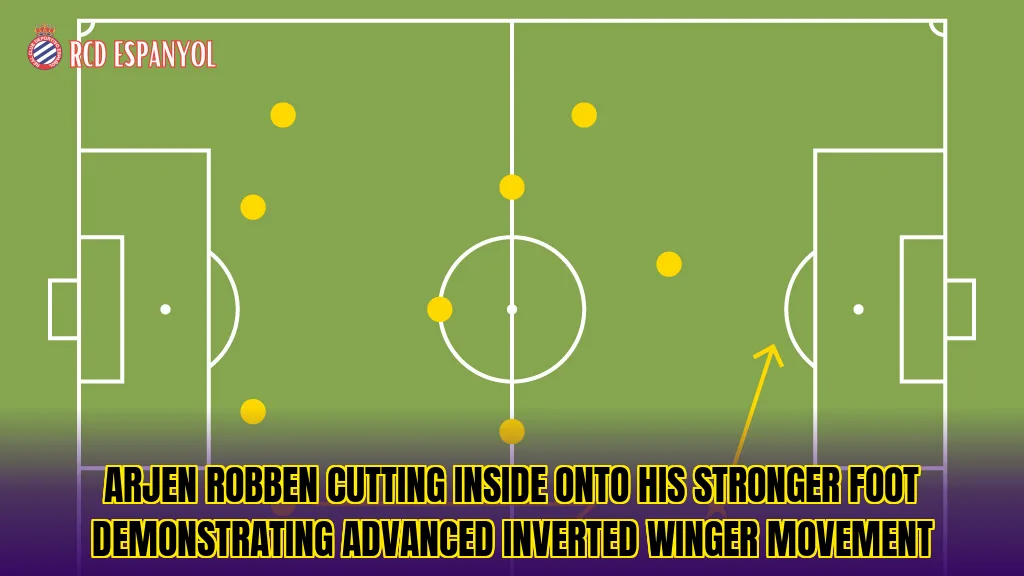
At the highest level, the inverted winger tactical role involves subtle adjustments based on match context and opposition shape. Coaches analyze how rivals defend the half-spaces and adapt the winger’s starting position accordingly. Teams like RCD Espanyol can use video analysis and data to refine these details, ensuring that wide forwards exploit specific weaknesses rather than repeating predictable patterns every week.
Interaction with the central striker
The relationship between the number nine and the inverted winger tactical role is decisive for chance creation. If the striker drops short, the winger must recognize the space in behind and attack it aggressively. When the striker pins centre-backs, the inverted winger can receive between the lines with more freedom. Coordinated movements force defenders into constant decisions, increasing the likelihood of positional errors and late reactions in the box.
Exploiting weak-side and far-post spaces
Another sophisticated aspect of the inverted winger tactical role is using the far-post area on the weak side. When the ball is on one flank, the opposite winger can drift into the blind side of the full-back, ready for crosses or cut-backs. This movement is especially dangerous when combined with late runs from midfield. By timing these attacks correctly, teams can regularly create free headers or tap-ins at the far post against poorly organized defenses.
Set pieces and rest-defense structure
Even on set pieces, the inverted winger tactical role influences planning. Inverted wingers often take corners and wide free-kicks with an inswinging delivery, targeting crowded zones around the six-yard box. In open play, their advanced central positions also affect rest-defense, as they must be ready to counter-press or sprint back into wide areas if possession is lost. Balancing attacking freedom with defensive responsibility is crucial for long-term stability.
Conclusion
Across modern football, the inverted winger tactical role has reshaped how teams attack, defend, and control the most valuable spaces on the pitch. By moving wide players into interior channels, coaches unlock new angles for shots, through-balls, and combination play, while also reinforcing central pressing structures. For ambitious clubs such as RCD Espanyol, investing in players and training methods tailored to this role can deliver long-term tactical advantages and a more dynamic, entertaining style of play. When used intelligently, the role enhances build-up, improves final-third efficiency, and creates constant uncertainty for defenders. To explore more tactical insights, resources, and updates around this evolving role and related skills, visit RCD Espanyol and follow the latest developments in modern attacking football.
See also: The inverted winger tactical role – a compelling read for beginners: how to dribble a football