How to juggle a soccer ball is a simple skill that builds coordination, balance, timing, and confidence. It also helps players become more comfortable with the ball and develop a cleaner first touch. With the right technique and regular practice, beginners can progress from one controlled touch to long juggling sequences.
How to juggle a soccer ball correctly
The foundation of juggling is simple: stay balanced, contact the ball cleanly, and keep every touch controlled. Learn these basics before worrying about your record.
Start with the right body position
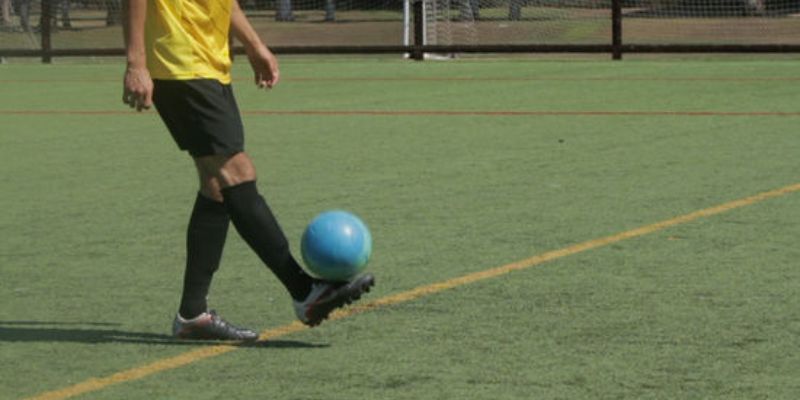
When learning how to juggle a soccer ball, stand with your feet about shoulder-width apart and keep your knees slightly bent. Relax your shoulders and hold your arms naturally away from your body for balance. Keep your body underneath the ball so you can make small adjustments without losing control. How to juggle a soccer ball becomes easier when your posture stays centered throughout each repetition.
Use the correct part of your foot
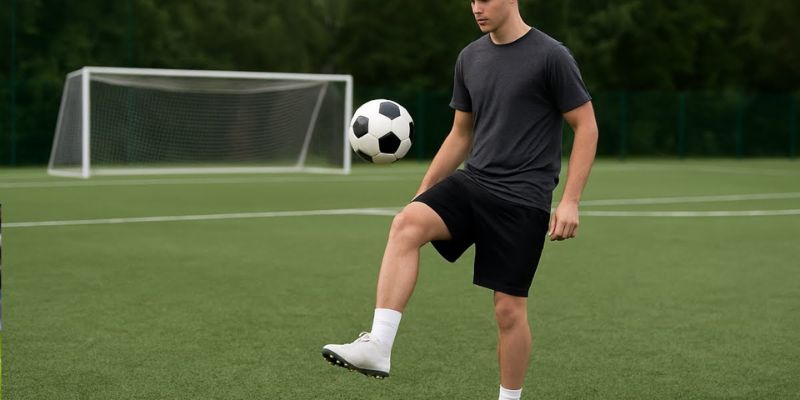
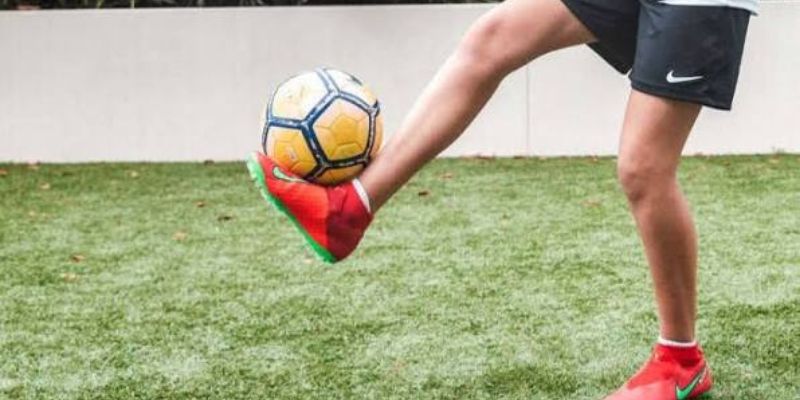
Contact the ball with the upper part of your foot around the laces, keeping your ankle firm and toes slightly raised. Aim for the center-bottom of the ball instead of striking its side. A soft, clean touch should lift the ball upward without sending it far forward.
Control the height of every touch
A common beginner mistake is kicking the ball too high, which makes the next touch harder. Aim for a height around the knee to waist area while you build consistency. Lower touches give you more control and reduce the amount of time needed to prepare for the next contact. How to juggle a soccer ball becomes much easier when every touch follows a predictable height and rhythm.
Beginner drills for how to juggle a soccer ball
Breaking the skill into small exercises makes practice less frustrating and more productive. Start with simple repetitions, then gradually remove the safety steps.
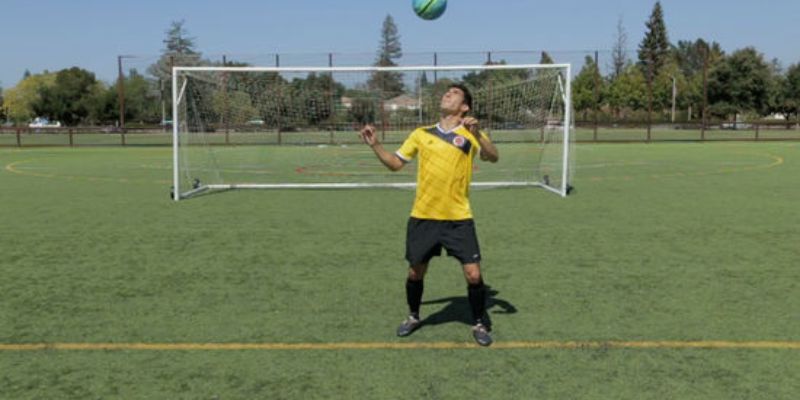
How to juggle a soccer ball with one foot
To build confidence, practice how to juggle a soccer ball with one foot before combining both sides. Begin with one touch and a catch, then progress to two, three, and more touches. Keep the ball close to your body and switch feet regularly so your weaker side also develops.
Drop, touch, and catch drill
Hold the ball in front of you, drop it, and touch it upward with one foot before catching it. Repeat the exercise with both feet and focus on using the same contact point each time. When your touches become consistent, stop catching immediately and try two consecutive touches.
Alternating-foot drill
Once individual touches feel comfortable, alternate between your right and left feet. Start with one touch per foot and allow yourself to catch the ball whenever control is lost. Focus on rhythm and small body adjustments rather than trying to juggle quickly.
Techniques that make juggling easier
Small technical changes can make the ball much easier to control. The goal is repeatable movement, not powerful kicking.
Keep your ankle firm
A loose ankle can send the ball in unpredictable directions, so stabilize it at the moment of contact. Think of your foot as a controlled platform rather than a swinging club. A firm ankle and relaxed leg help produce a consistent trajectory. How to juggle a soccer ball also requires avoiding unnecessary leg swings that can change the ball’s direction.
Stay underneath the ball
Your position relative to the ball determines how difficult the next touch will be. If it moves forward or backward, take a small step instead of reaching with your foot. Staying underneath the ball keeps your posture balanced and gives you more time to react.
Use your eyes and peripheral vision
Watch the ball closely while learning how to juggle a soccer ball, but avoid staring at your feet. Tracking the flight helps you anticipate where the next touch should occur. As your skill improves, peripheral vision can help you monitor your foot position automatically.
Common juggling mistakes to avoid
Many beginners improve faster when they correct mistakes early. Good technique usually matters more than adding extra practice time.
Kicking the ball too hard
Power is rarely useful when juggling because a strong kick sends the ball away from your body. Reduce the force until the ball rises only a short distance and stays near you. Think about lifting the ball gently rather than trying to drive it upward.
Locking the knees and standing stiffly
A rigid stance makes it difficult to adjust when the ball changes direction. Keep your knees soft and allow your arms to assist with balance. Relaxation is an important part of how to juggle a soccer ball because tension often causes rushed touches.
Looking only at your feet
Watching your foot instead of the ball can lead to late reactions and poor positioning. Keep most of your attention on the ball and let your body respond to its movement. If you lose control, reset calmly rather than making a frantic recovery.
A practice plan for faster improvement
Juggling responds well to frequent repetition, especially when sessions have a clear structure. Short daily workouts can be more useful than occasional marathon sessions.
Build a daily touch routine
Spend 10 to 15 minutes practicing how to juggle a soccer ball each day. Start with drop-and-catch exercises, continue with individual touches, and finish with a few maximum attempts. Record your best sequence so you can see progress from week to week.
Set realistic juggling targets
Do not expect to reach 100 touches immediately; choose a target that challenges you without making every attempt impossible. Progress from three touches to five, ten, and higher numbers as your control improves. A clean five-touch sequence is more valuable than a messy record that you cannot repeat.
Practice both strong and weak feet
Your dominant foot may feel natural, but relying on it can limit your development. Include weak-foot repetitions in every session and occasionally begin a sequence with that side. Balanced practice improves coordination and gives you more options during a match.
See more: how to improve first touch in soccer
Conclusion
Learning how to juggle a soccer ball starts with balanced posture, controlled contact, and consistent repetition. Beginners should keep the ball at a manageable height, use a firm ankle, and make small adjustments rather than chasing difficult touches. Short daily sessions, realistic targets, and equal practice with both feet can steadily improve coordination and confidence. For more football guides, training tips, and useful soccer knowledge, follow Espanyolvn.