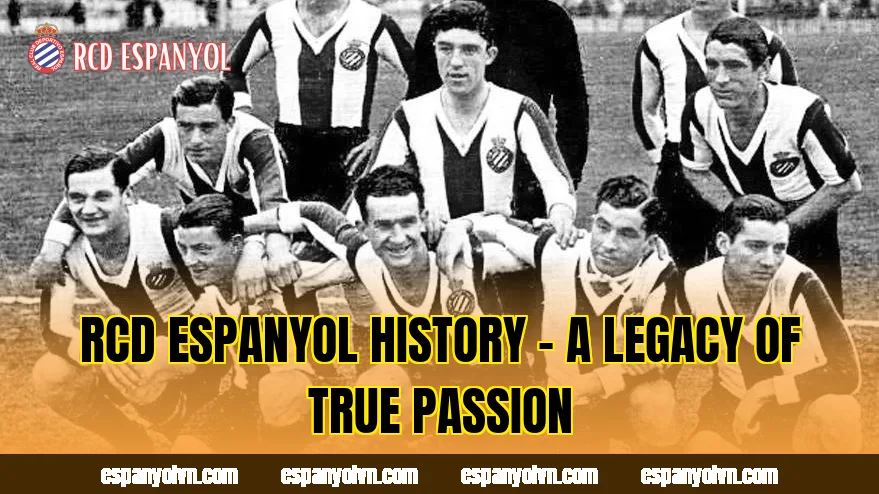
RCD espanyol history is a story built on grit, identity, and an unbreakable bond between a club and its people. Founded in 1900, Espanyol has carved out a unique place in Spanish football, standing tall in the shadow of FC Barcelona while forging a legacy entirely its own. From early triumphs to modern-day battles for survival in La Liga, every chapter of this club’s journey reflects the soul of a true working-class institution. This article explores the defining moments, legendary figures, and cultural significance that make RCD espanyol history one of the most compelling narratives in European football.
RCD espanyol history: The origin of a proud club
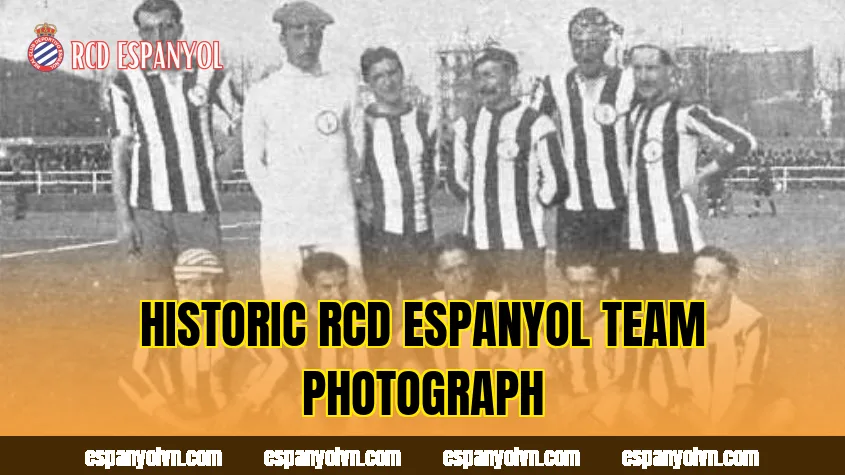
Few clubs in Spain carry as much cultural weight as Espanyol, a team born from a desire to represent something distinctly local and deeply rooted. Understanding the origins of RCD espanyol history means looking back at a Barcelona that was rapidly changing at the turn of the 20th century. The club was founded on October 28, 1900, by a group of university students who wanted to create a football team that reflected Spanish identity at a time when the sport was largely dominated by foreign workers and immigrants.
The founding years and early identity
The early years of RCD espanyol history were marked by a strong sense of purpose and community pride. The club originally went by the name Sociedad Española de Football, a name that directly reflected its founders’ desire to establish a Spanish-rooted institution. Those early players competed with passion and determination, even when resources were scarce, laying the groundwork for the competitive spirit the club is known for today.
Rivalries that shaped the club’s character
No discussion of the club’s formative years would be complete without acknowledging the intense rivalry with FC Barcelona, which became a defining element of RCD espanyol history. Known as the Derbi barceloní, this fixture is one of the most emotionally charged local derbies in world football. The rivalry pushed Espanyol to constantly prove its worth in a city where resources and media attention heavily favored their neighbors, and that pressure ultimately forged a tougher, more resilient club identity.
Royal recognition and growing prestige
A landmark moment in RCD espanyol history came in 1912 when King Alfonso XIII granted the club the title “Real,” meaning Royal, a distinction that elevated its status and reflected the club’s growing reputation across Spain. This royal endorsement was more than symbolic — it gave the club legitimacy, attracted wider support, and reinforced the sense that Espanyol stood for something meaningful beyond just football results. The prefix “Real” remains part of the club’s official name to this day, a proud reminder of that historic recognition.
RCD espanyol history through decades of competition
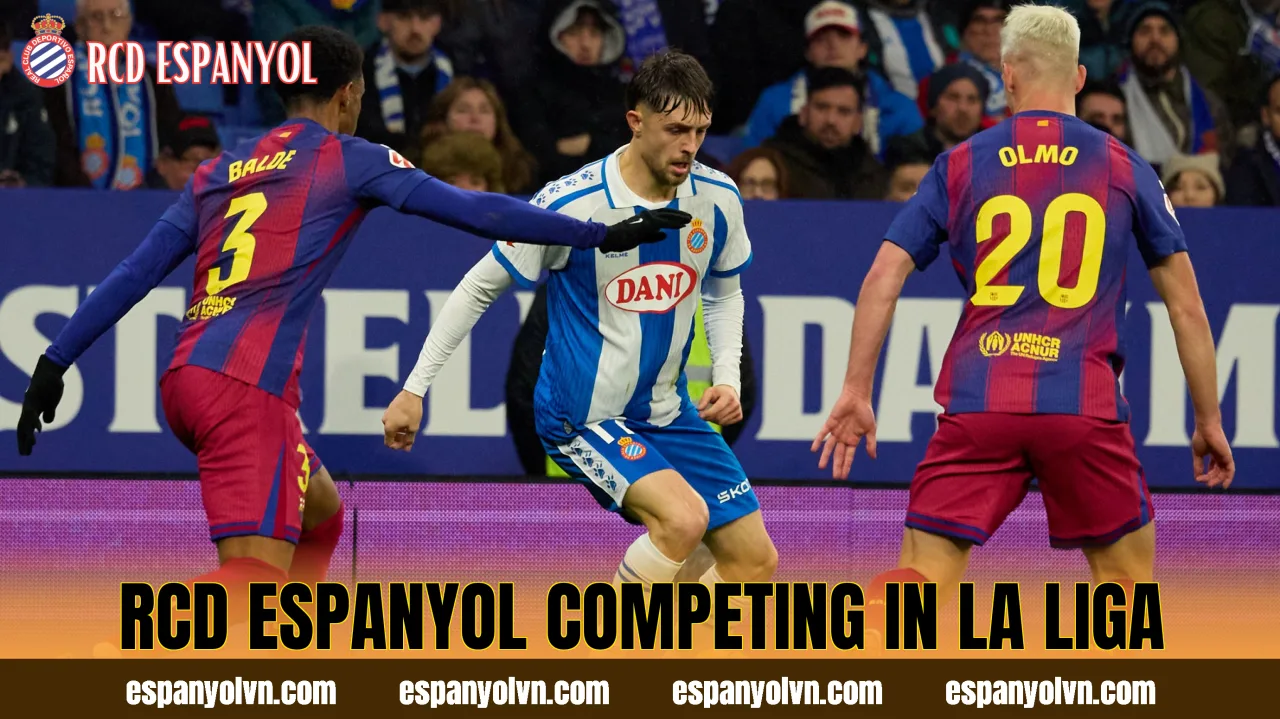
As the decades passed, Espanyol evolved from a regional contender into a club capable of competing at the highest levels of Spanish and European football. The competitive history of the club spans over a century of La Liga battles, Copa del Rey campaigns, and memorable UEFA runs that tested the resolve of every generation of players and supporters.
Copa del Rey glory and domestic achievements
One of the proudest chapters in RCD espanyol history is the club’s Copa del Rey record, having won the prestigious cup four times — in 1929, 1940, 2000, and 2006. These victories represent the club’s ability to rise to the occasion when it matters most, defeating larger and better-funded rivals on the way to silverware. The 2006 Copa del Rey triumph, secured against Real Zaragoza, was particularly emotional for supporters who had waited years to see their club lift a major trophy again.
European campaigns and UEFA Cup finals
Espanyol’s European journey is another fascinating dimension of RCD espanyol history, with the club reaching the UEFA Cup final on two separate occasions — in 1988 and 2007. Both finals ended in heartbreak, with the club losing on penalties each time, but the runs themselves demonstrated that Espanyol could compete with the continent’s elite clubs. The 2007 UEFA Cup final run, in particular, brought the club international recognition and remains one of the most celebrated campaigns in its entire history.
Survival battles and promotion stories
Not every chapter of RCD espanyol history is filled with trophies and glory — there have been painful relegation battles and difficult rebuilding periods that tested the loyalty of even the most devoted fans. The club suffered relegation from La Liga in 2021, a devastating blow that sent shockwaves through the entire fanbase. However, Espanyol bounced back by winning promotion at the first attempt, a testament to the club’s resilience and the enduring passion of a supporter base that refuses to abandon its team during hard times.
Iconic players who defined the club’s soul
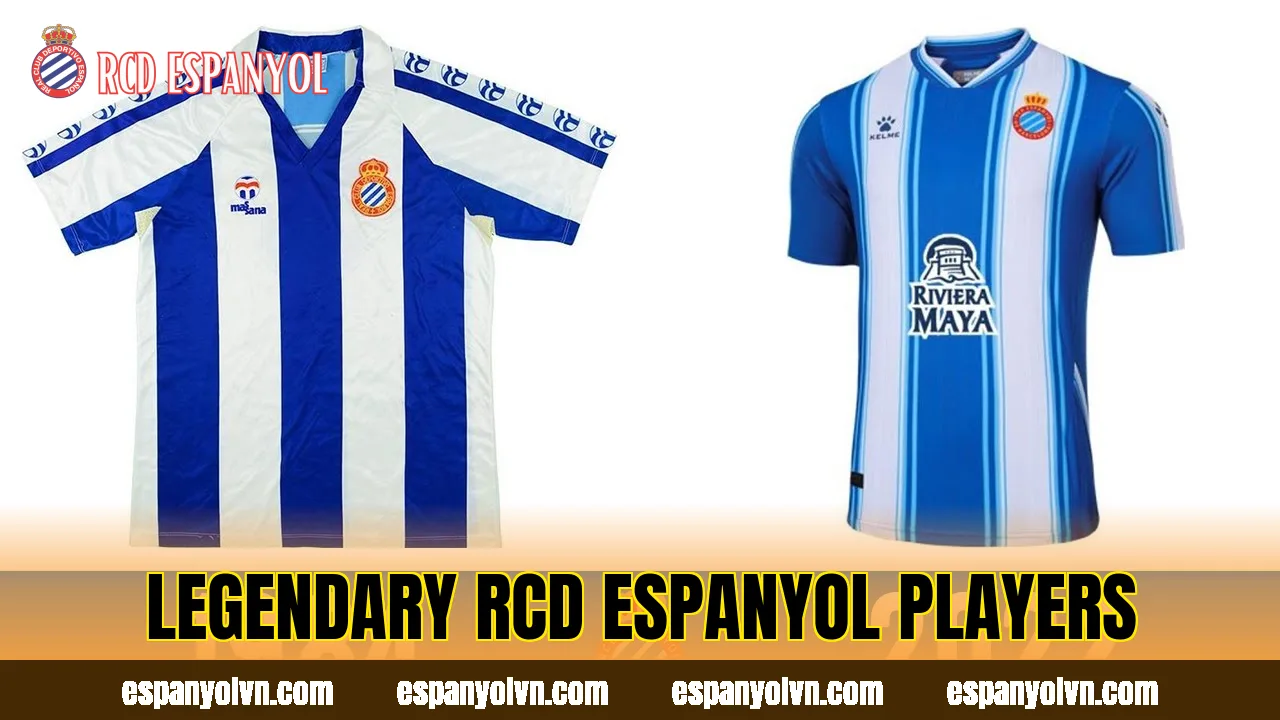
Behind every great club are the players who gave their best years to the badge, and Espanyol has been fortunate to have some genuinely iconic figures throughout its long history. These individuals didn’t just perform on the pitch — they became symbols of what the club represents and left lasting impressions on everyone who watched them play.
| Player | Position | Years at Club | Notable Contribution |
|---|---|---|---|
| Raúl Tamudo | Forward | 1997–2008, 2010–2011 | All-time top scorer, club legend |
| Andrés Palop | Goalkeeper | 2001–2006 | Key figure in 2006 Copa del Rey win |
| Dani Jarque | Defender | 2001–2009 | Beloved captain, tragically passed in 2009 |
| Sergio García | Midfielder/Forward | 2008–2018 | Long-serving fan favorite, consistent performer |
| Mauricio Pochettino | Defender | 1994–2001, 2004–2006 | Later became successful manager of the club |
Raúl Tamudo: The heartbeat of Espanyol
When fans think of RCD espanyol history, the name Raúl Tamudo comes to mind almost immediately, as the striker spent the majority of his career at the club and became its all-time leading scorer. His goals were often crucial, none more famous than his late equalizer against Real Madrid in 2007 that effectively handed the La Liga title to FC Barcelona. Tamudo’s loyalty and love for the club made him a true icon, the kind of player whose connection with the supporters went far beyond statistics.
Dani Jarque: A legacy beyond football
Perhaps no figure in RCD espanyol history is remembered with more tenderness than Dani Jarque, the club captain who tragically passed away from a heart condition in August 2009 at just 26 years old. Jarque was not only a talented and committed defender but also a leader whose personality inspired everyone around him. His memory lives on through the club’s annual tribute, and his number 21 shirt has been retired permanently, ensuring that his legacy will never be forgotten by anyone connected to Espanyol.
Mauricio Pochettino: From player to manager
Mauricio Pochettino’s relationship with the club spans multiple chapters of RCD espanyol history, first as a combative and intelligent defender who played nearly 300 games for the club, and later as a manager who led the team with distinction. As coach, Pochettino implemented an attacking, high-pressing style that revitalized the club and attracted significant attention from across Europe. His success at Espanyol ultimately opened the door to managerial roles at Southampton, Tottenham Hotspur, and Paris Saint-Germain, but his roots at this club remain a central part of his story.
Conclusion
RCD espanyol history is a living testament to what a football club can mean to its community — built on passion, tested by adversity, and defined by an identity that no rival can replicate. From royal recognition in 1912 to European finals, Copa del Rey victories, and the enduring legacy of players like Dani Jarque and Raúl Tamudo, this club has given its supporters countless reasons to believe. Explore more about RCD Espanyol and join the community that keeps this extraordinary legacy alive.
Xem thêm: Hành Trình Chuyển Nhượng Đáng Nhớ Của Espanyol: Khi Những Huyền Thoại Gửi Lại Di Sản