
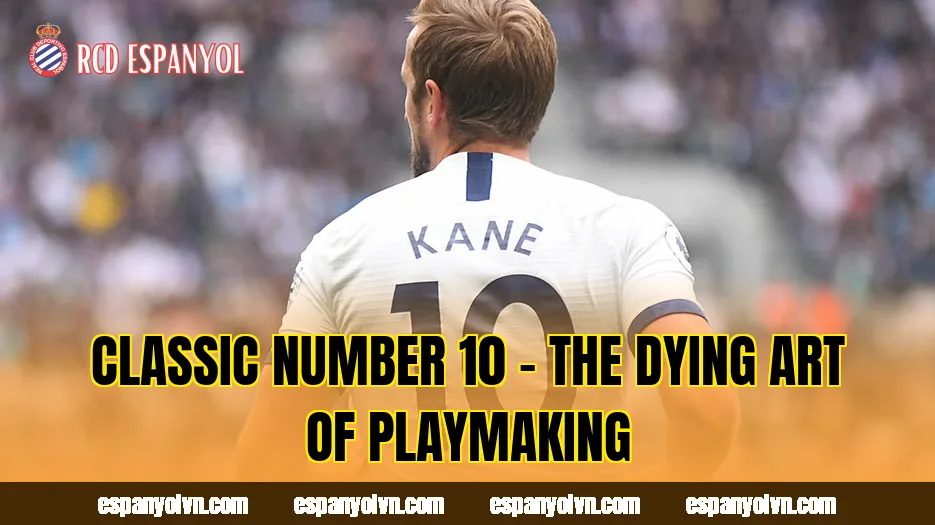
Classic number 10 — a position that once defined the soul of football — is slowly fading from the modern game. The traditional playmaker who pulled strings from deep, threaded killer passes, and dictated tempo has been replaced by high-pressing systems and positional rigidity. What made this role so magical, and why does its decline matter so deeply to football culture? This article explores the history, the legends, and the tactical evolution that pushed the classic number 10 to the edge of extinction in today’s game.
Classic number 10: the birth of a legend
The classic number 10 role was never just about a shirt — it carried an identity, a philosophy, and a responsibility that few positions in football ever demanded. From the cobblestone pitches of South America to the grand stadiums of Europe, this role became synonymous with creativity, intelligence, and flair. Understanding its origins helps explain why its disappearance feels like losing something irreplaceable in the sport.

Where the number 10 role truly began
The classic number 10 traces its roots to the early 20th century, when formations like the WM system gave the inside forward a central creative license. Players in this position were expected to link midfield and attack, operating in the pockets of space between defensive lines. It was football’s most intellectually demanding role, requiring vision, technical mastery, and the courage to demand the ball under pressure.
South American influence on the trequartista
In Argentina and Brazil, the classic number 10 evolved into something almost mythological, embodied by figures like Pelé, Zico, and later Diego Maradona. The concept of the “enganche” — a player who hangs between the lines and controls the game’s rhythm — became a cultural obsession in South America. This philosophy exported itself to Europe and transformed how coaches and fans perceived the role of a true playmaker.
European clubs that elevated the position
Clubs like AC Milan, Barcelona, and Juventus built entire tactical systems around the classic number 10, trusting one player to be the creative heartbeat of the team. Roberto Baggio at Juventus, Michel Platini at the same club, and Ronaldinho at Barcelona all demonstrated how a single playmaker could elevate eleven players into something extraordinary. Their legacies still define how football romanticists measure the beauty of the game.
Classic number 10 and tactical evolution in football
The shift away from the classic number 10 did not happen overnight — it was a gradual tactical revolution driven by pressing systems, data analytics, and the demand for physical intensity. Modern football increasingly rewards vertical speed and pressing triggers over the patience and positional intelligence that traditional playmakers relied upon. This transformation reshaped not just tactics but the very identity of what a footballer is expected to be.
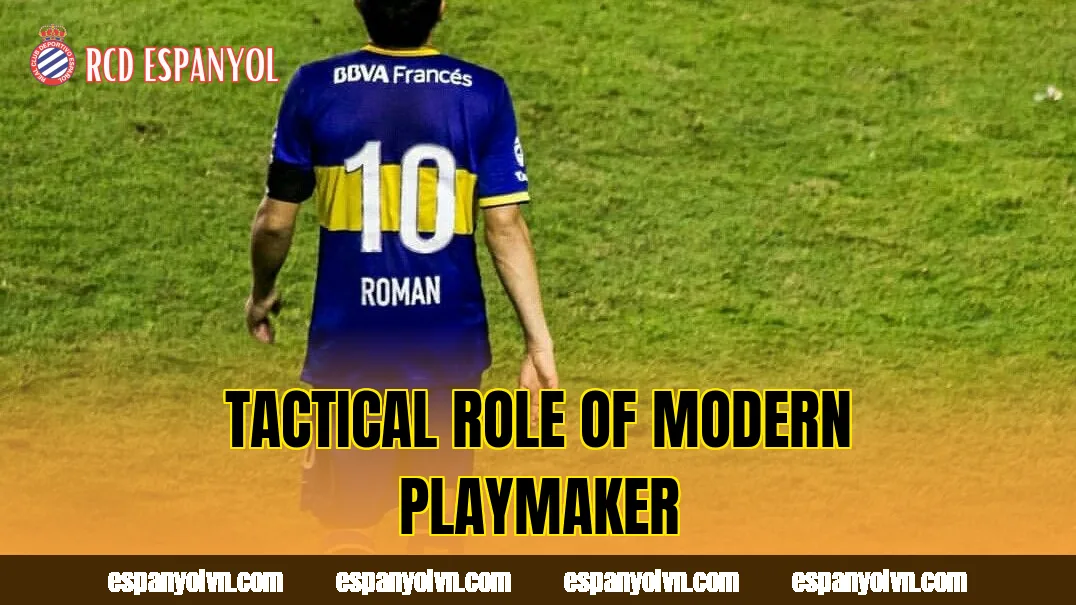
How gegenpressing killed the traditional playmaker
Jürgen Klopp’s gegenpressing philosophy, built on immediate ball recovery and collective pressing, left little room for the classic number 10 who preferred to receive, turn, and play at their own tempo. A player who needed time on the ball became a liability in systems designed to win possession within three seconds of losing it. The positional freedom that defined the number 10 was quietly sacrificed for collective defensive effort and structured pressing triggers.
The rise of the false nine and box-to-box midfielder
As the classic number 10 faded, new hybrid roles emerged to fill the creative void — most notably the false nine and the box-to-box midfielder who combined defensive work with attacking contribution. Managers began distributing the playmaking responsibility across multiple players rather than concentrating it in one creative individual. This collective approach proved more difficult to neutralize defensively, making the single-creator model feel tactically outdated.
Data analytics and the devaluation of flair
Modern recruitment increasingly relies on metrics like pressing intensity, distance covered, and defensive duels won — statistics that rarely favor the classic number 10 archetype. A player who drifts, demands the ball, and slows the game’s tempo scores poorly on performance dashboards built for high-energy systems. The romantic notion of a gifted playmaker orchestrating a match from behind the striker has struggled to survive in a data-driven football ecosystem.
| Player | Era | Club | Defining trait |
|---|---|---|---|
| Diego Maradona | 1980s | Napoli / Argentina | Dribbling genius and vision |
| Zinedine Zidane | 1990s–2000s | Juventus / Real Madrid | Elegance and passing range |
| Ronaldinho | 2000s | Barcelona | Creativity and unpredictability |
| Francesco Totti | 1990s–2010s | AS Roma | Intelligence and loyalty |
| Juan Román Riquelme | 2000s | Boca Juniors / Villarreal | Tempo control and deep vision |
Can the classic number 10 survive modern football?
Despite the tactical pressures, the classic number 10 has not entirely disappeared — it has adapted, survived in pockets of the game, and continues to inspire the next generation of creative footballers. Certain leagues, clubs, and coaches still value the playmaker who can unlock defenses with a single pass or a moment of individual brilliance. The question is no longer whether this role is extinct, but whether football still has space for its magic.

Leagues where the playmaker still thrives
Serie A and La Liga have historically been more tolerant of the classic number 10 archetype, offering tactical structures that allow creative players to operate with greater freedom between the lines. Spain’s footballing culture, in particular, has always celebrated technical intelligence over raw athleticism, making it one of the last sanctuaries for traditional playmakers. Clubs in these leagues continue to produce and nurture players who embody the spirit of this dying role.
Young players carrying the number 10 tradition
Players like Pedri, Isco, and Bernardo Silva represent a modern reinterpretation of the classic number 10 — combining the positional intelligence of the old guard with the pressing demands of contemporary football. They prove that creativity and tactical discipline are not mutually exclusive, offering hope that the playmaker tradition will not vanish entirely. Their emergence suggests that the role is evolving rather than dying, finding new expression within modern systems.
Coaches who still build around one creator
Certain visionary managers continue to design their systems around a central creative figure, trusting that a genuine classic number 10 can still unlock the most organized defensive structures. Coaches like Xavi Hernández and Carlo Ancelotti have demonstrated that patience, technical quality, and positional freedom remain valuable even in an era obsessed with intensity. Their tactical choices serve as a reminder that football’s greatest art form is not yet ready to be archived.
Conclusion
Classic number 10 football represents more than a tactical position — it is a philosophy of beauty, intelligence, and creative courage that shaped the sport’s greatest moments. While modern systems have pushed this role to the margins, its spirit lives on in every perfectly weighted through ball and every moment of individual genius that makes a stadium hold its breath. Explore the full history of this iconic position and discover how RCD Espanyol continues to honor the traditions of creative, attacking football.
Xem thêm: Defensive midfielder role – The Unsung Heroes