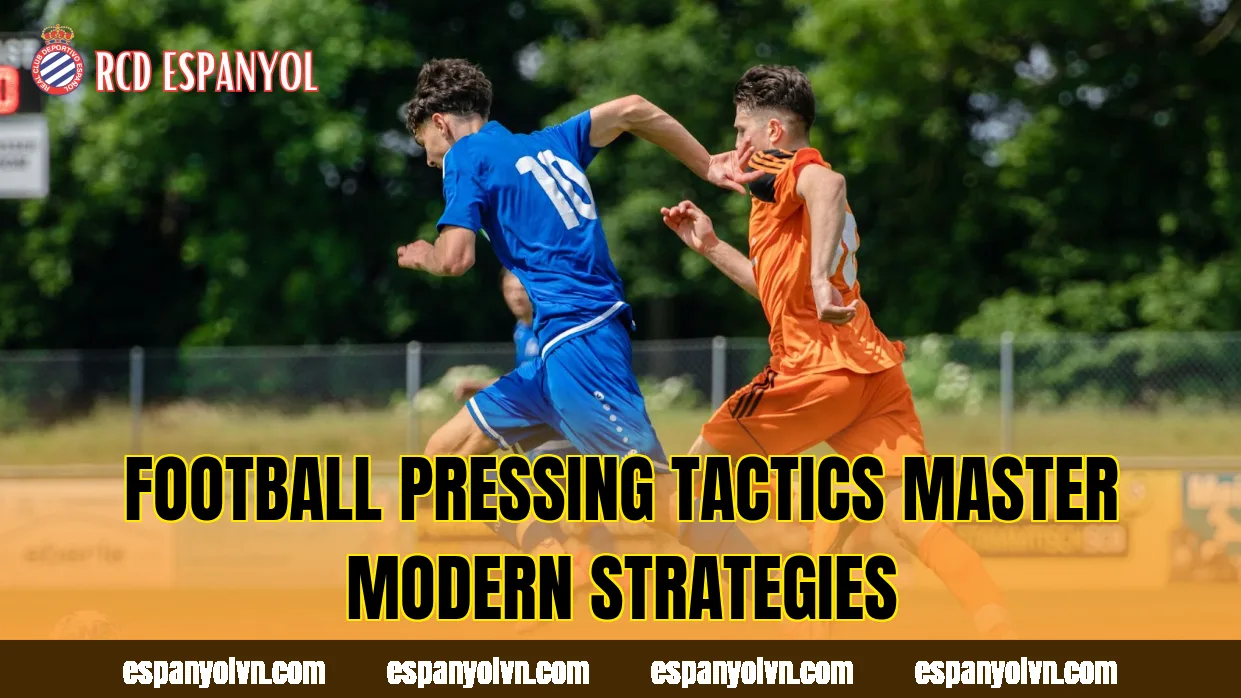
Football pressing tactics have reshaped how modern teams compete at every level of the game. From high-energy gegenpressing to compact mid-block systems, coaches now treat defensive pressure as a primary attacking weapon. This article breaks down the core pressing structures, the principles behind their effectiveness, and how elite clubs apply them to dominate possession and disrupt opponents. Whether you follow club football or analyze tactical trends, understanding these systems gives you a sharper lens for reading the beautiful game.
Football pressing tactics and their core principles
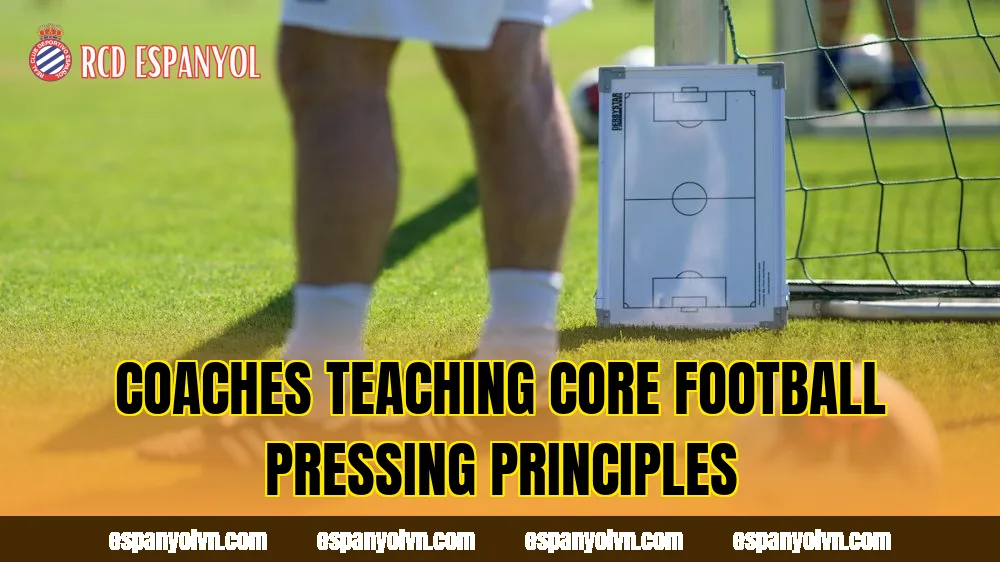
The foundation of any effective press lies in collective movement and timing. When players understand their roles within a pressing scheme, the entire defensive structure operates like a single organism rather than eleven individuals reacting independently to the ball.
What triggers a press in modern football
Football pressing tactics are rarely applied randomly — coaches define specific triggers that tell players when to engage. A poor touch by the opposition, a back pass to the goalkeeper, or a forced lateral ball into a wide area are all common cues. Once the trigger is recognized, the nearest player engages while teammates cut off passing lanes, creating a coordinated trap rather than an isolated chase. Trigger discipline separates organized pressing from frantic chasing, and it is a skill that requires extensive training to become automatic during live match situations.
Compactness and defensive shape under pressure
A pressing system only works when the team maintains vertical and horizontal compactness. If spaces open up between the defensive and midfield lines, opponents can play through the press with a single sharp pass. Strong pressing units keep the distance between lines tight — typically no more than 25 to 30 meters from defensive to attacking shape — so that pressing triggers lead to genuine turnovers rather than simply shifting the danger elsewhere on the pitch. Compactness is not passive; it requires constant adjustments as the ball moves.
Player roles within a coordinated pressing system
Each position carries distinct responsibilities inside a well-designed press. The striker acts as the first line of engagement, using body shape to guide opponents toward a weak side. Central midfielders shadow the most dangerous passing options while fullbacks hold wider threats. When football pressing tactics are correctly executed, every player’s movement is interdependent, and a single player drifting out of position can collapse the entire structure. This positional awareness is what distinguishes elite pressing teams from those who press with effort but without intelligence.
Football pressing tactics used by top clubs
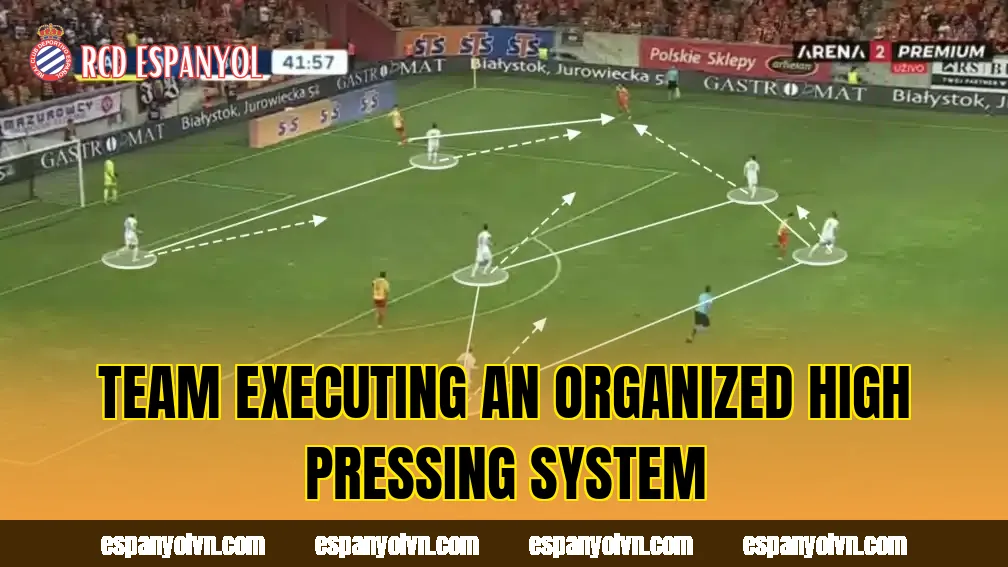
Elite clubs around the world have developed distinct pressing identities that reflect their coaching philosophies, squad profiles, and competitive environments. Studying these real-world applications reveals how abstract tactical principles translate into match-winning outcomes.
Gegenpressing: The Liverpool and Dortmund model
Gegenpressing — the immediate counter-press after losing possession — became one of the most influential tactical concepts of the last decade. Jürgen Klopp built his reputation at Borussia Dortmund and later Liverpool by demanding that players treat the moment of losing the ball as the best moment to win it back. Football pressing tactics in this model require extremely high physical output, with players sprinting into pressing positions within seconds of a turnover. The chaos created immediately after losing possession is exploited as an opportunity rather than avoided as a risk, turning defensive transitions into aggressive offensive moments.
High press variations across different formations
A 4-3-3 creates natural wide pressing traps because the front three can funnel opponents toward the sidelines, where escape routes are limited. A 4-2-3-1 uses the attacking midfielder as a second presser from depth, supporting the lone striker in closing down the opposing center-backs. Teams using a 3-4-3 or 3-5-2 can press aggressively through wide midfielders, using their positioning to cover ground quickly across both width and depth. Each formation shapes football pressing tactics differently, and coaches must design their press around the specific movement patterns their shape naturally creates.
Transitional pressing and defensive recovery runs
Pressing is not only an in-possession defensive tool — it also defines how teams behave in the split seconds between losing and regaining the ball. Transitional pressing requires players to identify instantly whether a press is feasible or whether the priority is to sprint into a defensive shape. The fastest recovery teams minimize the time opponents spend in open transition, reducing the number of high-quality counterattacking opportunities conceded per match. This aspect of football pressing tactics is often overlooked in broad tactical analysis but is central to how modern coaches structure their training week.
Key metrics to evaluate pressing performance
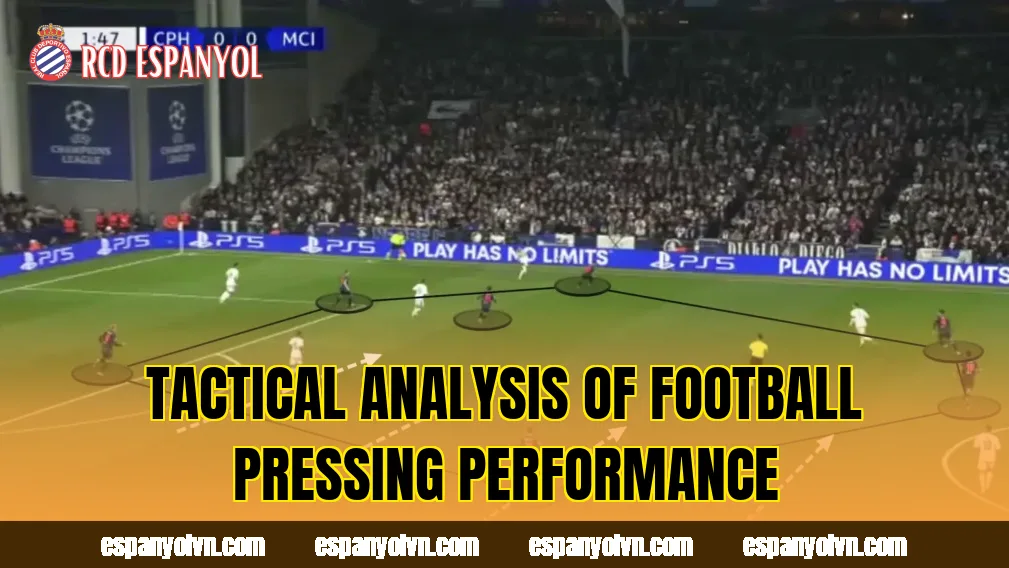
Tactical analysis has grown more data-driven, and pressing systems are now measured through specific metrics that give coaches and analysts objective insight into how effectively a team applies defensive pressure. These numbers bring clarity to what can otherwise appear chaotic from the outside.
PPDA, pressing intensity, and recovery data
PPDA — passes allowed per defensive action — is one of the most widely used metrics for evaluating pressing intensity. A low PPDA score indicates that a team is forcing turnovers frequently in the opponent’s half, while a high score suggests a more passive or deeper defensive approach. Alongside PPDA, analysts track high-turnover zones, counterpressing success rates, and the average field position of defensive actions to build a complete picture of how football pressing tactics are functioning in context. These figures help identify which pressing triggers are working and which areas of the pitch are being exploited by opponents.
Pressing efficiency and physical load in a season
One challenge that every high-pressing coach faces is managing the physical demands across a long season. Pressing hard for ninety minutes every three to four days places enormous strain on players, particularly in the legs and cardiovascular system. Smart clubs rotate their pressing intensity based on the opposition, the scoreline, and fixture congestion — pressing aggressively in the first thirty minutes to establish dominance, then dropping into a mid-block to manage energy. Football pressing tactics must therefore be flexible enough to shift gears mid-match without losing structural coherence or creating defensive vulnerabilities during transitions.
How opponents exploit poorly organized pressing structures
A disorganized press can be more dangerous than no press at all. When pressing triggers are ignored or players step out of shape without coordinated cover, opponents gain easy access to the spaces left behind. Experienced teams use a quick third-man pass to bypass the first line of press, leaving the defensive block exposed at pace. Coaches who deploy football pressing tactics without building the necessary defensive fallback — such as a safety midfielder or a deeper-lying defender ready to cover — often concede goal-scoring opportunities directly from poor pressing attempts. Tactical discipline is the difference between a deadly press and a costly gamble.
| Pressing style | Formation | Key trigger | Main risk | Example club |
|---|---|---|---|---|
| Gegenpressing | 4-3-3 | Immediate ball loss | Exposed backline on fast transitions | Liverpool FC |
| High press | 4-2-3-1 | Goalkeeper in possession | Deep spaces behind the press | Manchester City |
| Mid-block press | 4-4-2 | Opposition enters midfield third | Overloaded central lanes | Atletico Madrid |
| Wide press trap | 3-4-3 | Ball played to wide defender | Central overloads if trap breaks | RB Leipzig |
| Transitional counter-press | 3-5-2 | Failed attacking sequence | Physical fatigue in later stages | Inter Milan |
Conclusion
Football pressing tactics continue to evolve as coaches develop more sophisticated systems to exploit defensive transitions and force turnovers in dangerous areas. Understanding the principles, metrics, and real-world applications of pressing gives any football observer a deeper appreciation for the tactical intelligence behind modern team structures. For more tactical depth and club insights, explore everything that RCD Espanyol brings to European football — a club that embodies organized, technically precise play built on strong structural foundations.