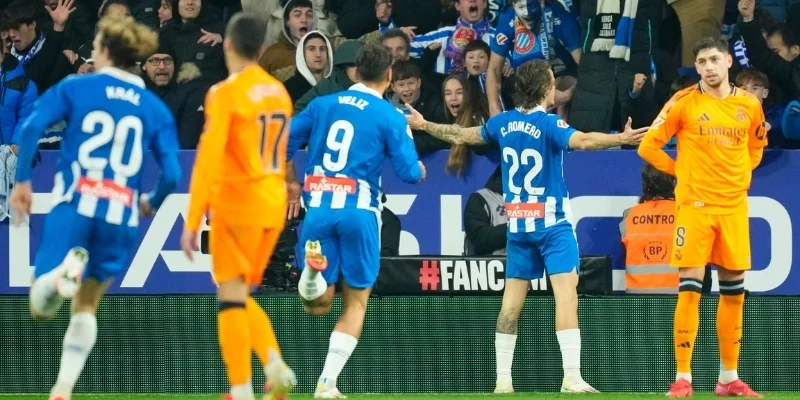
History of Barcelona vs Espanyol rivalry reflects a unique chapter of Catalan football, where geographical, social, and club identity factors have combined to create the intensity of this derby. This article from Espanyol explains the origins of the rivalry, the periods that shaped the balance between the two clubs, notable matches, and how to understand the historical meaning of this competition.
History of Barcelona vs Espanyol rivalry
History of Barcelona vs Espanyol rivalry began during the early years of football in Barcelona, when both clubs were established in the same city. The derby developed from friendly matches, Catalonia competitions, and eventually became one of the longest-running rivalries in La Liga.
The origins of the Barcelona – Espanyol derby
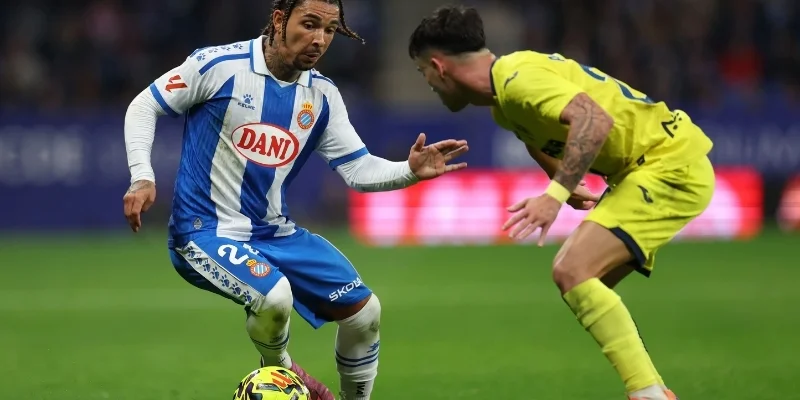
The background of history of Barcelona vs Espanyol rivalry is connected to the period when organised football was developing in Catalonia. FC Barcelona was founded in 1899, while Sociedad Española de Foot-ball, the predecessor of RCD Espanyol, appeared in 1900. Both teams quickly became important representatives of football in the city.
The rivalry grew stronger through the Copa Macaya and later the Campeonato de Catalunya. As these competitions determined the position of local teams and opportunities to participate in national-level tournaments, Barcelona – Espanyol matches gradually gained greater importance beyond a simple friendly encounter.
When did Barcelona and Espanyol first face each other?
The first milestone in history of Barcelona vs Espanyol rivalry was recorded on 23 December 1900. Sociedad Española de Foot-ball faced a Barcelona team in a friendly match at Hotel Casanovas, with both sides drawing 0-0. On 27 January 1901, they played their first official derby in the Copa Macaya.
| Date | Competition | Result |
| 23/12/1900 | Friendly | Barcelona 0-0 Sociedad Española |
| 27/01/1901 | Copa Macaya | Barcelona 4-1 Espanyol |
| 07/04/1929 | La Liga | Barcelona 1-0 Espanyol |
The match on 7 April 1929 later became the first meeting between the two teams in the inaugural La Liga season.
Why does geography make the derby unique?
The local factor shaped history of Barcelona vs Espanyol rivalry because both clubs represent Barcelona and, throughout many periods, their home grounds were located relatively close to each other. Espanyol had a long connection with Sarrià before moving to Montjuïc in 1997 and later to their current stadium in the Barcelona metropolitan area.
The geographical proximity meant players and supporters from both sides regularly shared the same football environment. Therefore, this derby differs from rivalries between separate cities: the competition exists within local daily life and has been maintained through the Campeonato de Catalunya, Copa del Rey, and La Liga.
Periods that changed the balance of the derby
The balance within history of Barcelona vs Espanyol rivalry has not remained the same throughout more than a century. Unexpected victories, stadium changes, and matches with direct consequences for title races have created different phases of this derby.
Matches that created historical milestones
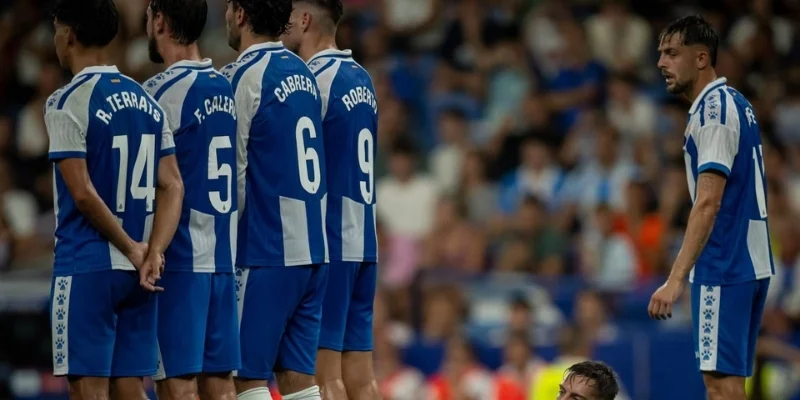
Some matches help explain history of Barcelona vs Espanyol rivalry more clearly than overall statistics. In 1929, Espanyol eliminated Barcelona in the Copa del Rey semi-final with a 2-0 victory at Sarrià and a 1-1 draw at Les Corts before going on to win the trophy.
The modern era includes the famous “Tamudazo” on 9 June 2007. Raúl Tamudo scored twice in a 2-2 draw at Camp Nou, with his late equaliser directly affecting the La Liga title race. In 2009, Iván de la Peña scored a brace as Espanyol defeated Barcelona 2-1 at Camp Nou.
What do home records say about the balance between the teams?
Home advantage adds another layer of data to history of Barcelona vs Espanyol rivalry. Over many periods, Barcelona have maintained overall superiority, but Espanyol have also produced notable runs away from home. For example, Espanyol won three consecutive away matches against Barcelona during the 1939/40, 1940/41, and 1941/42 seasons.
Stadium milestones have also changed the context of the derby:
- Les Corts was associated with the earliest La Liga meetings.
- Sarrià was Espanyol’s long-term home ground.
- Camp Nou witnessed the “Tamudazo” in 2007 and Espanyol’s victory in 2009.
- Montjuïc was Espanyol’s home from 1997 to 2009.
How have social factors influenced the derby?
The social background of history of Barcelona vs Espanyol rivalry comes from the fact that both clubs developed with different origins and identities within the same city. Espanyol was initially founded by a group of local students, while Barcelona had a more international founding background.
Over time, differences in names, supporter communities, and the way both clubs were perceived in Catalan society added further meaning to the derby. However, sporting competition remains the central element: both teams competed in Catalonia competitions, became founding members of La Liga, and have continued meeting in domestic tournaments.
How to evaluate derby history through data
Understanding history of Barcelona vs Espanyol rivalry requires combining head-to-head results, competition context, stadium factors, and the impact of each match. This approach helps distinguish an ordinary victory from moments that truly changed derby history.
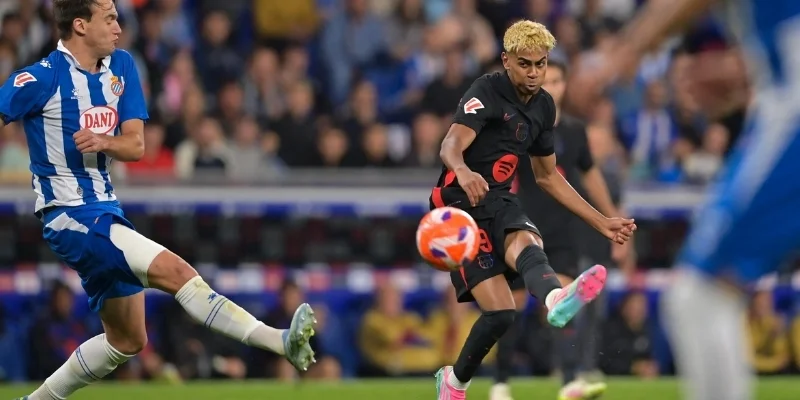
What data should Espanyol use to read derby history?
When describing history of Barcelona vs Espanyol rivalry, statistics should be divided by competition rather than combining all matches into one category. La Liga provides the longest continuous record, but Copa del Rey, early Catalonia competitions, and historical friendlies also contain important milestones.
La Liga records show that by April 2026, the two teams had met 180 times in the Spanish top division, with Barcelona winning 106 matches, Espanyol winning 34, and 40 ending in draws. These figures reflect Barcelona’s long-term advantage, while season-by-season data helps identify periods when Espanyol had a greater influence on the overall balance.
What criteria should be used to evaluate a derby milestone?
A milestone in history of Barcelona vs Espanyol rivalry can be analysed through several criteria: competition, timing, result, stadium, and impact on the season. Therefore, the 2-2 draw in 2007 stands out not only because of the scoreline but also because Tamudo’s late goal affected the La Liga title race.
| Criteria | Information to consider | Example |
| Context | Competition and round | La Liga, Copa del Rey |
| Result | Win, draw, goal difference | 2-2 in 2007 |
| Location | Home or away stadium | Camp Nou |
| Impact | Effect on the season | Title race |
This places each derby match within its historical timeline instead of looking only at the final score.
Common mistakes when summarising Barcelona – Espanyol history
A common mistake when describing history of Barcelona vs Espanyol rivalry is using only La Liga records to represent the entire history. The two teams met before the national league existed, including the 1900 friendly and the 1901 Copa Macaya match.
Another incomplete approach is focusing only on the number of victories. Milestones such as the 1929 Copa semi-final, the “Tamudazo” in 2007, or Espanyol’s 2-1 victory at Camp Nou in 2009 show that the meaning of the derby also depends on timing, stadium, and the impact of the result on each season.
Conclusion
History of Barcelona vs Espanyol rivalry shows that the derby was not created only by results on the pitch but is also connected to the history of Barcelona, Espanyol, and Catalan football identity. Espanyol helps organise the key milestones, changing balance, and significance of this rivalry in a clear way. Review each period to understand the complete picture.