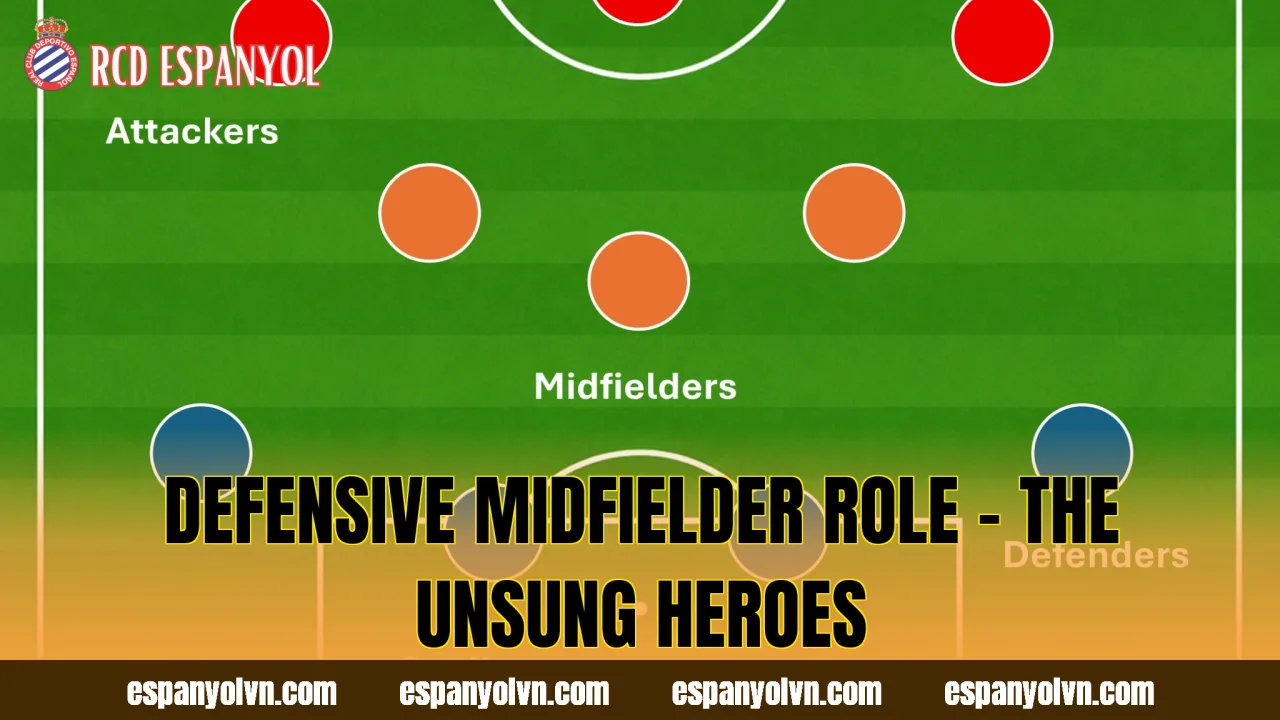
Defensive midfielder role is one of the most demanding and intellectually complex positions in modern football. These players operate as the tactical spine of their team, doing the dirty work that rarely earns applause but always earns results. From breaking up opposition attacks to recycling possession under pressure, the defensive midfielder role demands a rare combination of physical endurance, tactical intelligence, and calm decision-making in tight spaces.
Defensive midfielder role: The tactical backbone
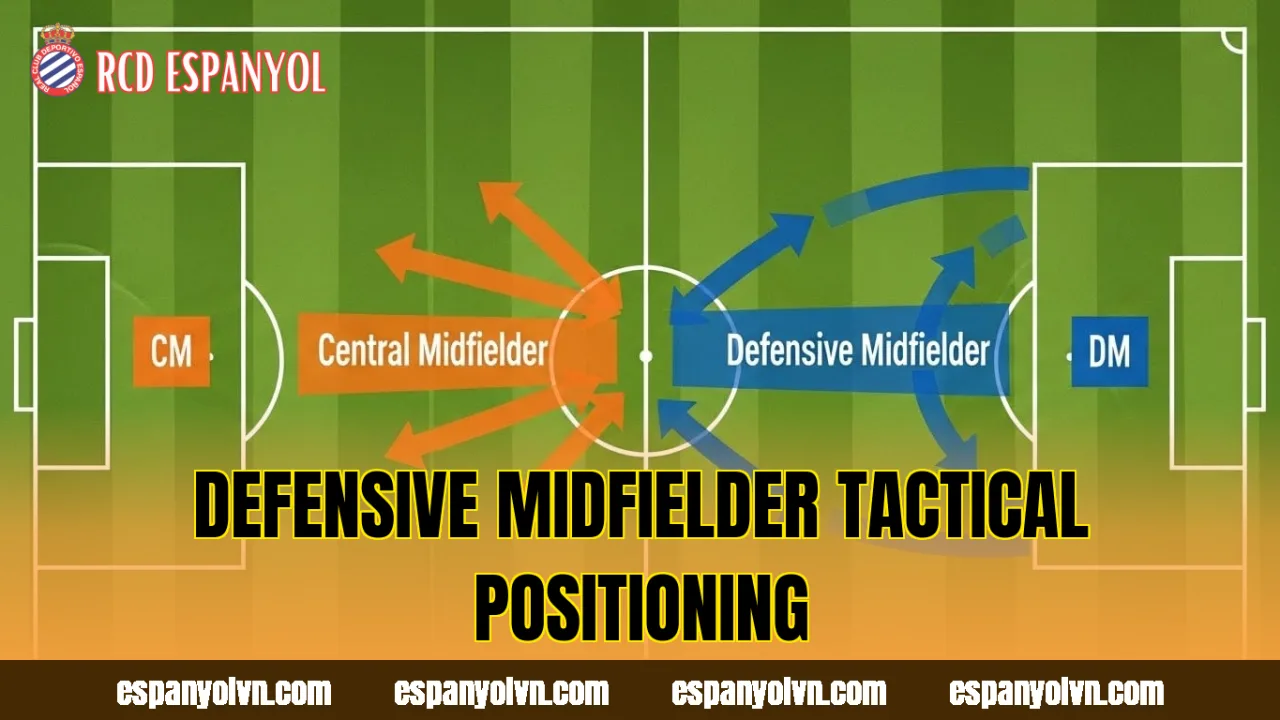
Understanding the defensive midfielder role begins with recognizing how central this position is to a team’s overall shape and stability. Without a reliable player in this zone, even the most talented squads become vulnerable to transitions and counter-attacks. The position sits at the intersection of defense and midfield, making it both reactive and proactive in equal measure.
Positioning and spatial awareness on the pitch
The defensive midfielder role requires exceptional spatial awareness, as the player must constantly read the game and anticipate where danger will emerge next. Unlike a box-to-box midfielder who roams freely, this player maintains a disciplined position to cover the central channels. Their ability to close gaps between the defensive line and the midfield block is what separates elite performers from average ones.
Pressing triggers and defensive transitions
A well-executed pressing game depends heavily on how the holding midfielder reads the moment to initiate pressure on the ball carrier. The defensive midfielder role in a high-press system means recognizing specific triggers — a bad touch, a backward pass, or a goalkeeper in possession — and reacting instantly. This proactive defending is what modern coaches like Pep Guardiola and Mikel Arteta have built entire systems around.
Covering runs and protecting the backline
When fullbacks push forward or center-backs step out to press, the player in this position must drop in to cover the spaces left behind. The defensive midfielder role in these moments is essentially that of a sweeper, reading second balls and eliminating threats before they become dangerous. This thankless but critical task keeps the defensive structure intact throughout the full ninety minutes.
Defensive midfielder role: Key skills and attributes
The demands placed on players in this position go far beyond simple tackling or interceptions. A complete performer in the defensive midfielder role must combine technical ability with mental sharpness and physical resilience. These qualities together define whether a player truly masters the position or simply occupies it.
Tackling, interceptions, and ball-winning ability
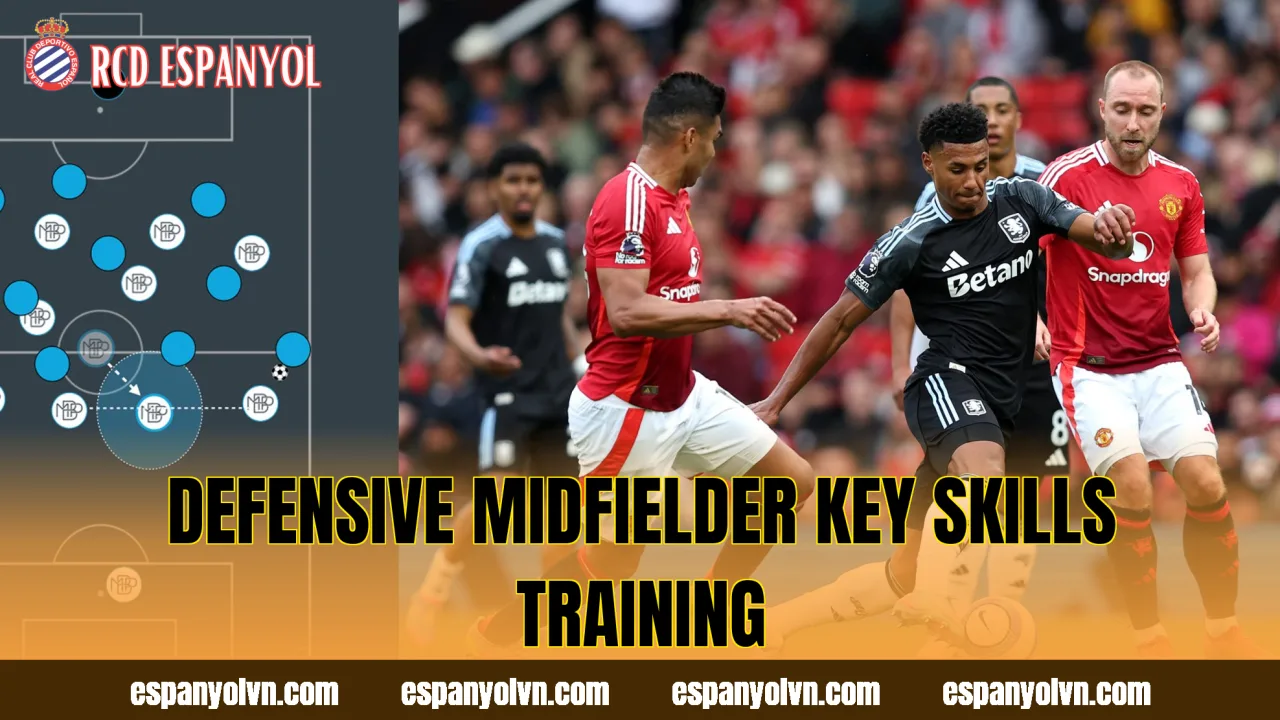
At the core of this position lies the ability to win the ball cleanly and efficiently in contested situations. The defensive midfielder role demands precise tackling technique — not reckless lunging, but well-timed, composed challenges that dispossess opponents without conceding fouls in dangerous areas. Players like Casemiro, Sergio Busquets, and N’Golo Kanté have each demonstrated how ball-winning ability can completely transform a team’s defensive solidity.
Passing range and progressive ball distribution
Winning the ball is only half the job — what happens next defines whether the team transitions smoothly or wastes possession under pressure. A high-quality performer in this position must possess the passing range to switch play, find pockets between lines, and relieve defensive pressure quickly. The defensive midfielder role has evolved significantly, with modern teams expecting their holding midfielder to initiate attacking sequences just as confidently as they defend.
Leadership, communication, and game management
Because of their central position on the pitch, players in this role see the entire game unfold in front of them and must constantly organize teammates. The defensive midfielder role naturally becomes a leadership position, with experienced players directing the defensive shape, calling for pressing triggers, and managing the tempo of the game. This vocal and organizational responsibility is why many of the world’s best captains have come from this exact position.
| Attribute | Importance level | Example players |
|---|---|---|
| Tackling and interceptions | Essential | N’Golo Kanté, Casemiro |
| Positional discipline | Essential | Sergio Busquets, Fabinho |
| Short and long passing | High | Rodri, Toni Kroos |
| Aerial duels | Moderate to high | Nemanja Matic, Claude Makélélé |
| Leadership and communication | High | Patrick Vieira, Roy Keane |
| Stamina and work rate | Essential | Kanté, Kante, Declan Rice |
How the role evolved in modern football systems
The holding midfielder position has undergone a dramatic transformation over the past two decades, shaped by tactical evolution and the increasing pace of the modern game. What was once a purely defensive assignment has grown into one of the most technically demanding roles on the pitch. Understanding this evolution helps explain why the defensive midfielder role is now central to how top clubs build their squads and tactical identities.
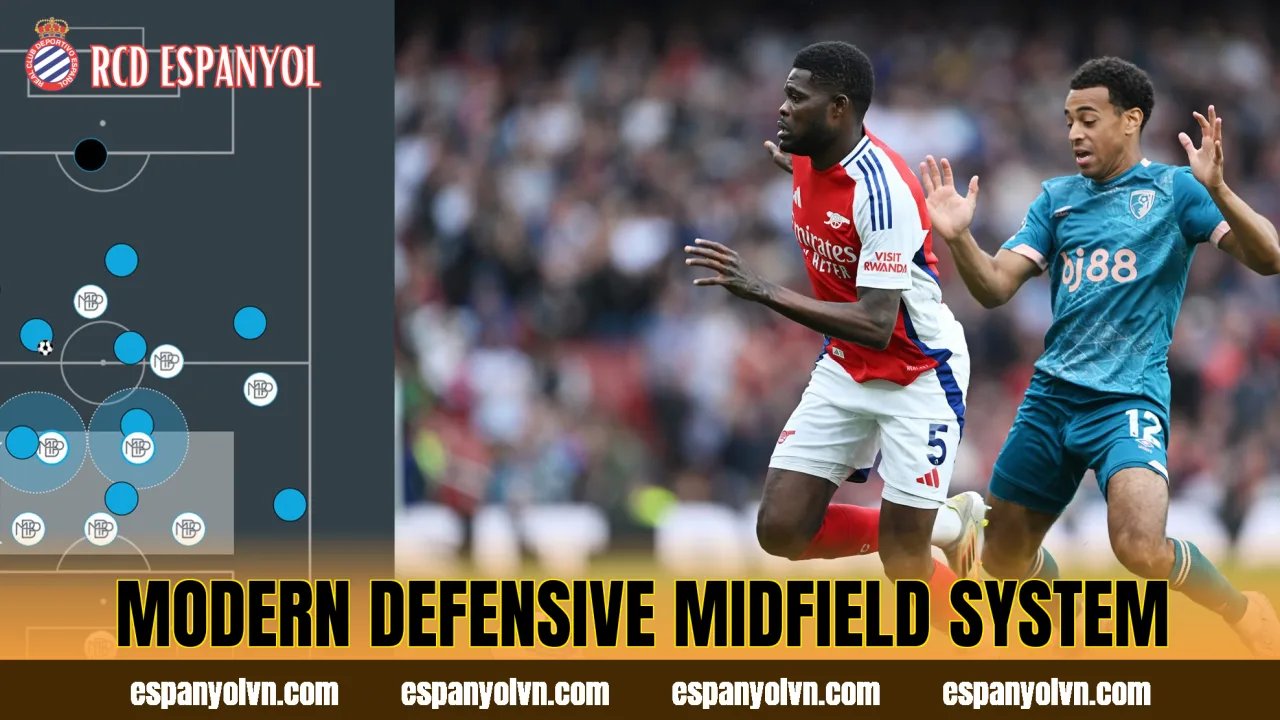
From destroyer to deep-lying playmaker
In the era of Claude Makélélé, the position was defined almost entirely by defensive duties — screening the back four, winning second balls, and limiting space for opposition attackers. Over time, coaches began demanding more with the ball, and the defensive midfielder role gradually merged with the deep-lying playmaker archetype. Players like Sergio Busquets and Rodri represent the pinnacle of this evolution, combining elite ball-winning with exceptional distribution from deep positions.
Tactical flexibility in different formations
The responsibilities of a holding midfielder shift depending on whether the team plays a 4-3-3, a 4-2-3-1, or a 3-5-2 system, making adaptability a key requirement. In a double pivot, the defensive midfielder role is shared between two players, allowing each to cover slightly different zones while maintaining balance. In a single pivot system, the player must cover far more ground and carry a heavier defensive burden across both wide and central areas.
The role’s influence on team pressing structures
High-pressing teams depend on the holding midfielder to act as the first line of pressure recovery once the ball is lost in the final third. The defensive midfielder role in these systems requires explosive short sprints, rapid positional resets, and the ability to read where the opposition will play the ball under pressure. This pressing intelligence is now considered as important as pure defensive technique when clubs scout players for this position.
Conclusion
Defensive midfielder role remains one of football’s most intellectually rich and physically demanding positions, combining tactical intelligence with consistent execution across ninety minutes. These players are the unsung architects of winning teams, doing the invisible work that allows more celebrated teammates to shine. Explore how clubs like RCD Espanyol develop players for this demanding role and build squads around positional intelligence and tactical discipline.
Xem thêm: Espanyol: Nơi Nuôi Dưỡng Những Tài Năng Trẻ Hứa Hẹn