
RCD espanyol fc is one of Spanish football’s most storied yet often underappreciated clubs, carrying over a century of passion, identity, and competitive spirit. Founded in 1900, this Barcelona-based side has consistently challenged the dominance of larger clubs while building a loyal fanbase known as the “pericos.” What makes RCD espanyol fc truly fascinating is not just its history, but its relentless ambition to reclaim top-flight relevance in La Liga. From iconic players to tactical evolution, this club’s journey is one worth exploring in full depth.
RCD espanyol fc: A club built on legacy
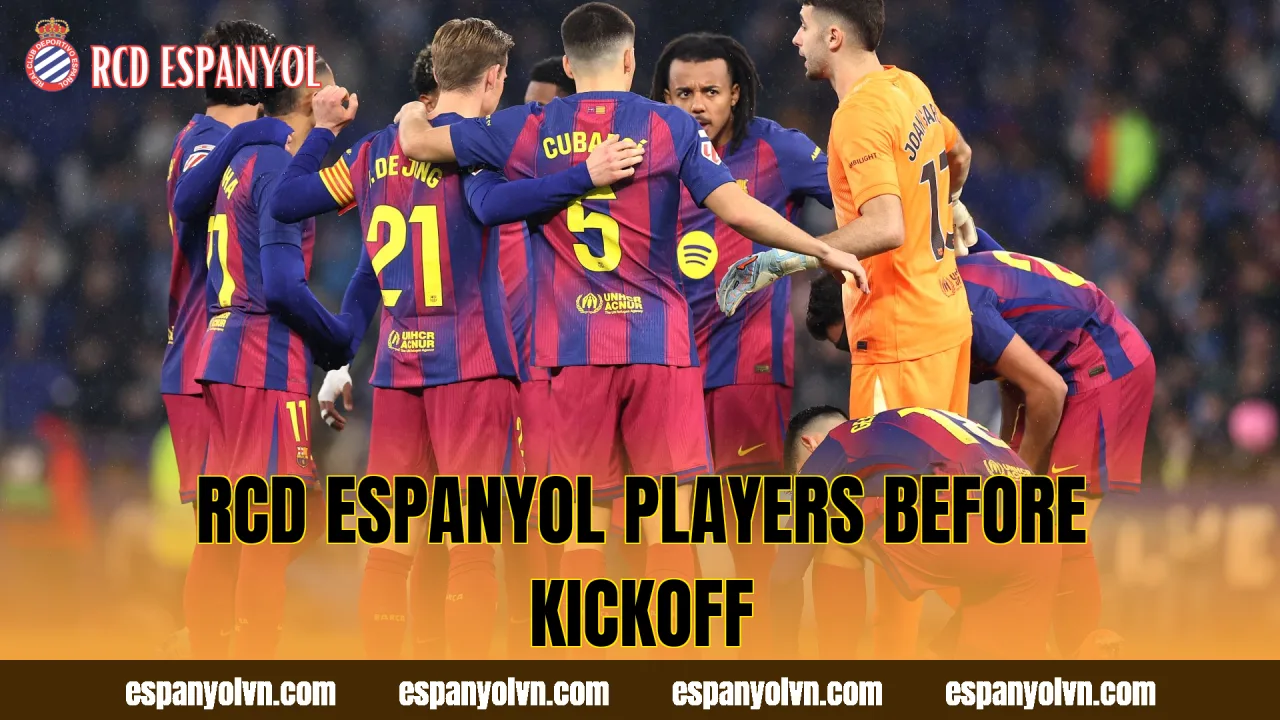
Few clubs in Spanish football carry as much historical weight as RCD espanyol fc, which has navigated more than 120 years of competition with remarkable resilience. The club’s identity is deeply tied to its Catalan roots, yet it stands apart from FC Barcelona by representing a different cultural and social dimension of the city. Understanding the foundation of this club means looking closely at where it started, who shaped it, and how it grew into the institution it is today.
Origins and founding story of the club
RCD espanyol fc was officially founded on October 27, 1900, making it one of the oldest football clubs in Spain with a continuous competitive history. The club was originally formed by Spanish university students who wanted to create a team separate from the foreign-influenced clubs emerging in Barcelona at the time. That founding spirit of independence and local pride has remained a defining characteristic of the club’s identity ever since.
Early decades and first major honors
In its early years, the club competed fiercely in regional competitions before gradually earning recognition at the national level through consistent performances. RCD espanyol fc claimed its first Copa del Rey title in 1929, a landmark achievement that announced the club’s arrival as a serious force in Spanish football. The following decades saw the team develop a reputation for producing technically gifted players who could compete with the very best sides in the country.
Stadium evolution and the move to RCDE Stadium
The club’s stadium history reflects its broader journey, moving from modest grounds to the modern RCDE Stadium, which opened in 2009 in Cornellà de Llobregat. RCD espanyol fc now plays in a purpose-built arena with a capacity of around 40,000 fans, offering a matchday experience that rivals some of Europe’s finest venues. The stadium has become a symbol of the club’s ambition to compete at the highest level while honoring its deep connection to the local community.
RCD espanyol fc and its greatest players ever
Throughout its long history, RCD espanyol fc has been home to players who left permanent marks on Spanish football and beyond. From legendary goalscorers to creative midfielders, the club has consistently attracted and developed world-class talent. The names associated with this club read like a who’s who of Iberian football excellence, each contributing to the team’s rich competitive tapestry.
Raúl Tamudo: The eternal perico legend
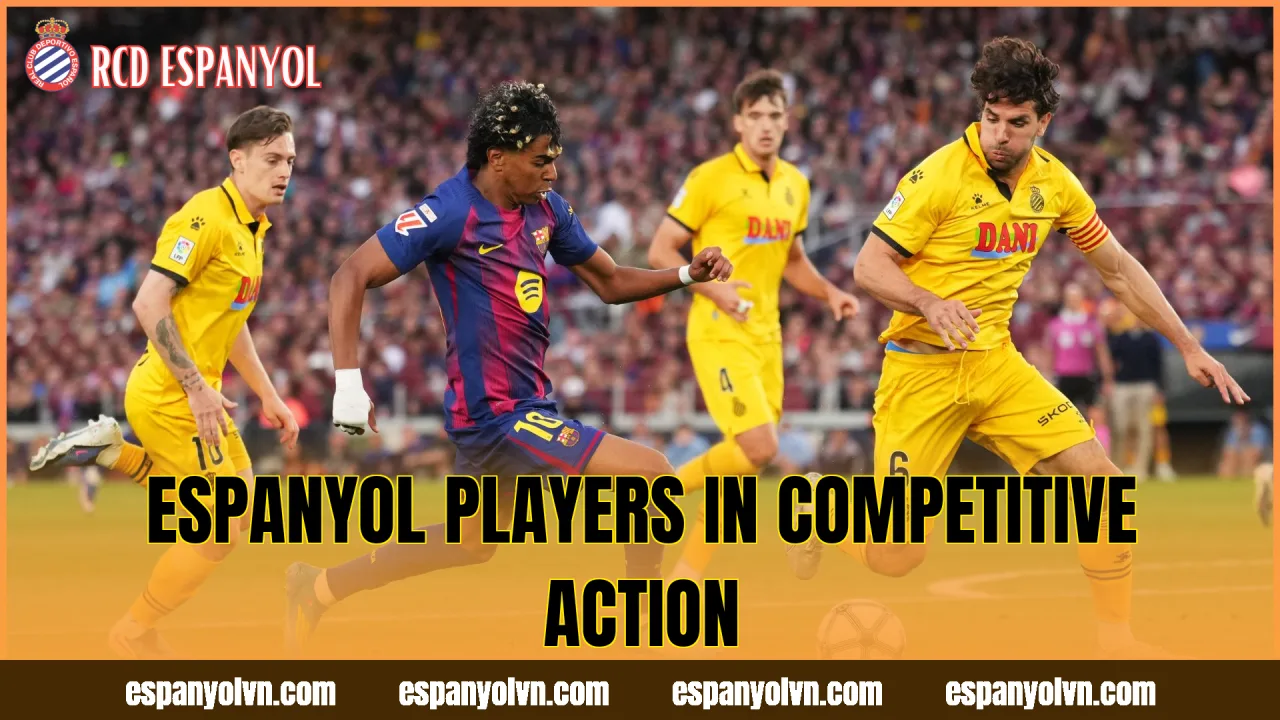
RCD espanyol fc produced few players as beloved as Raúl Tamudo, who spent the majority of his career wearing the blue and white stripes with extraordinary dedication. Tamudo’s goals were not just statistically impressive but often came in the most dramatic moments, including a famous late equalizer against Real Madrid that effectively handed the 2006–07 La Liga title to FC Barcelona. His loyalty to the club and his ability to deliver in high-pressure situations made him an icon whose legacy continues to inspire the current generation of supporters.
Sergio García and the modern attacking era
Sergio García represented a new chapter in the club’s attacking history, offering pace, creativity, and a relentless work ethic that made him a fan favorite during his time at RCD espanyol fc. He contributed significantly during the club’s UEFA Cup campaigns, proving that the team could compete with elite European opposition when at its best. García’s performances helped elevate the club’s profile internationally and demonstrated the quality that Espanyol could develop from within its own academy system.
International stars who chose Espanyol
Over the decades, RCD espanyol fc has attracted several high-profile international players who saw the club as a genuine platform for competitive football in one of Europe’s premier leagues. Names like Mauricio Pochettino, who later became a world-renowned manager, and Thomas N’Kono, the legendary Cameroonian goalkeeper, brought global attention to the club during their respective eras. These players helped shape the club’s identity as one that values substance over spectacle, always putting team performance ahead of individual glamour.
Tactical identity and style of play explained
One of the most interesting aspects of following RCD espanyol fc is observing how the club has evolved tactically while maintaining a core philosophy of discipline, organization, and collective effort. Unlike some clubs that shift identity with every managerial change, Espanyol has generally maintained a recognizable style that prioritizes defensive solidity alongside quick, purposeful attacking transitions. This tactical consistency has been both a strength and, at times, a limitation in their quest for major honors.
Defensive foundations that define the team
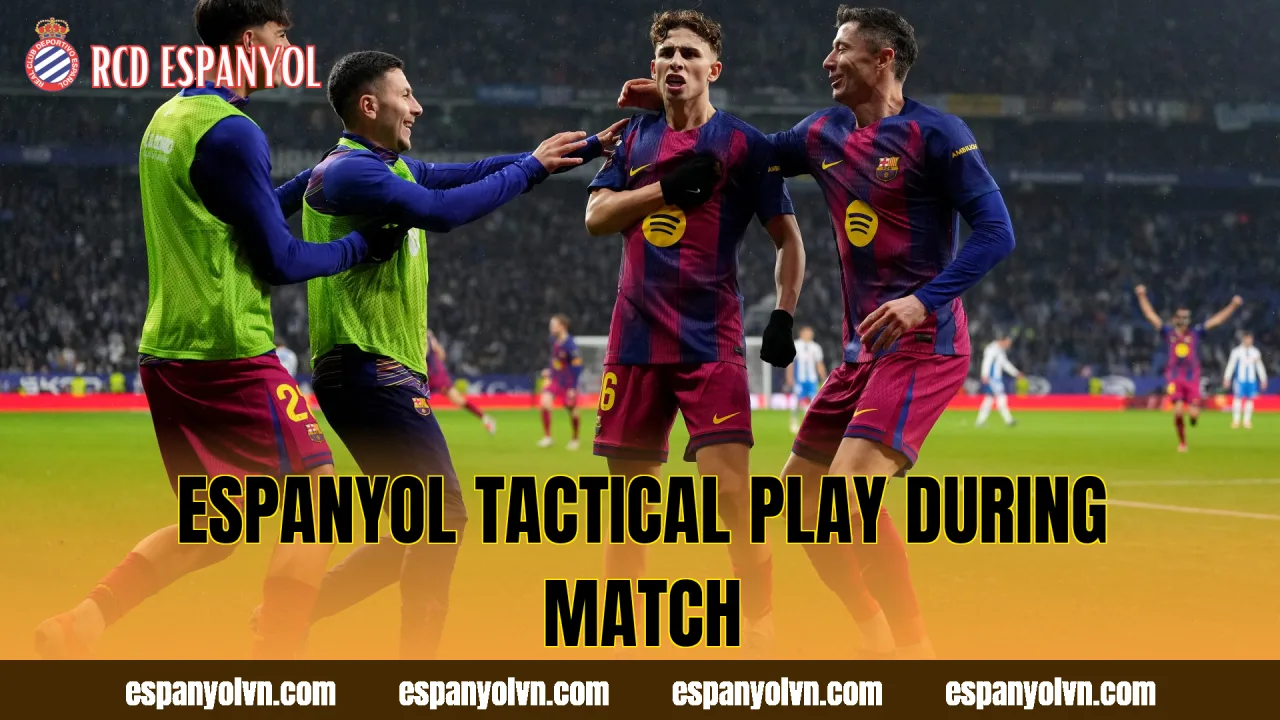
Historically, RCD espanyol fc has built its competitive edge on a well-organized defensive structure that makes the team difficult to break down even against superior opponents. This approach has allowed the club to punch above its weight in both domestic competition and European tournaments, frustrating teams with far greater financial resources. The defensive identity is not simply about sitting deep but about pressing intelligently and transitioning quickly once possession is regained.
Youth development and academy contributions
The Espanyol academy, known as La Masia del Espanyol, has long been a source of technical talent that feeds directly into the first team and attracts attention from clubs across Europe. RCD espanyol fc invests heavily in youth development as a strategic response to the financial dominance of bigger clubs, creating a pipeline of players who understand the club’s values from an early age. This approach has produced several players who have gone on to represent Spain at international level, underscoring the quality of the club’s developmental infrastructure.
Managerial philosophies that shaped Espanyol
Several managers have left lasting impressions on RCD espanyol fc, each bringing a distinct tactical philosophy that influenced the club’s direction for years afterward. Pochettino’s tenure as a player and later as manager helped embed a high-pressing, energetic style that modernized the team’s approach during a critical period. More recently, coaches have focused on blending tactical flexibility with the club’s traditional defensive discipline, creating a hybrid identity that suits the demands of modern La Liga football.
| Season | Competition | Achievement | Key Player |
|---|---|---|---|
| 1929 | Copa del Rey | Champions | Ricardo Zamora |
| 1940 | Copa del Rey | Champions | Edelmiro Navarro |
| 2000 | UEFA Cup | Runners-up | Raúl Tamudo |
| 2006 | Copa del Rey | Runners-up | Sergio García |
| 2023 | La Liga | Promoted to top flight | Joselu |
Conclusion
RCD espanyol fc remains one of the most compelling stories in European football, combining historical prestige with modern ambition and a deeply rooted community identity. RCD Espanyol continues to grow as a club that refuses to be defined solely by the shadow of its more famous city rivals, carving out its own legacy through talent, resilience, and tactical intelligence. If you want to follow a club that represents genuine passion and footballing substance, then RCD espanyol fc deserves a permanent place on your radar.