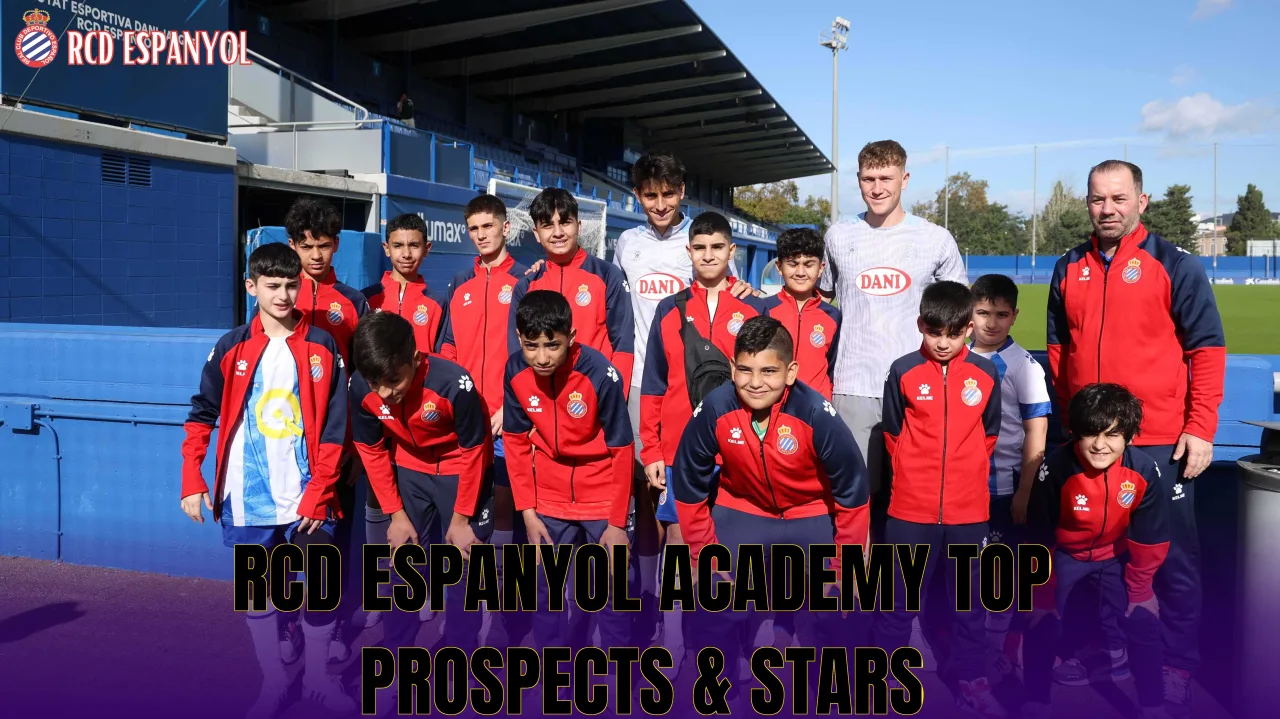
RCD Espanyol academy players are becoming one of the most respected talent pipelines in Spanish football, quietly producing technically gifted youngsters with strong tactical education. Over the last decade, the club has invested heavily in youth scouting, coaching methodology and data-driven development. As a result, more homegrown prospects are reaching the first team and gaining attention across Europe. This youth-focused strategy is not only economical but also shapes a clear identity built around intelligent pressing, positional play and resilient mentality.
RCD Espanyol academy players and the club’s training philosophy
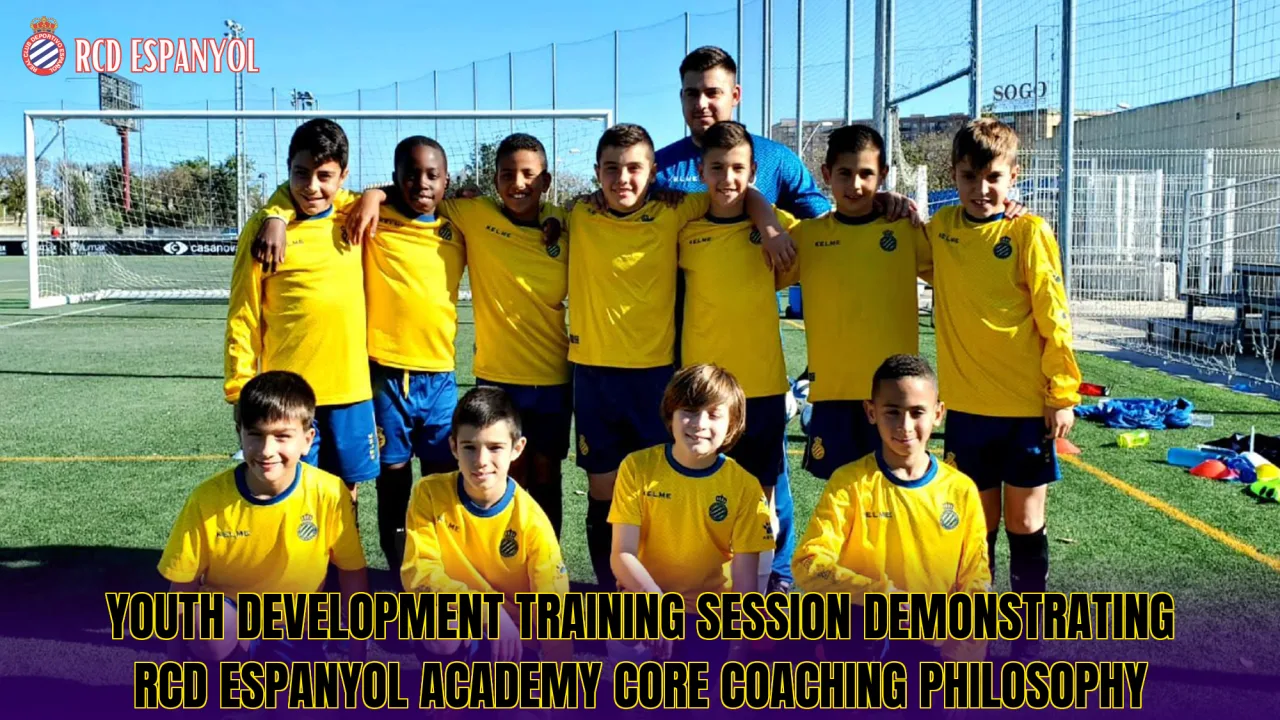
The identity of RCD Espanyol academy players starts with a clear, long-term training philosophy that runs from the youngest age groups to the senior squad. Coaches emphasize ball mastery, spatial awareness and decision-making under pressure rather than early physical dominance. This approach allows smaller, technically refined youngsters to flourish and catch up physically later. At the same time, sports science and performance data are integrated into weekly training cycles to prevent overuse injuries and ensure sustainable development.
Technical foundations and positional intelligence
From the first touch to scanning the pitch, RCD Espanyol academy players are taught to think one step ahead. Training sessions include tight rondos, position-specific drills and small-sided games that force quick combinations. Youngsters learn how to receive on the half-turn, use both feet and manipulate tempo in possession. Positional intelligence is built through clear role profiles: full-backs must support inside channels, midfielders are trained to occupy half-spaces, and forwards press with defined triggers. This consistent framework accelerates adaptation when players move up age groups.
Physical development and modern sports science
While technique is central, the physical evolution of RCD Espanyol academy players is carefully managed by conditioning coaches and medical staff. Individual growth curves are monitored with regular fitness testing, GPS tracking and recovery assessments. Rather than overloading teenagers with constant matches, training loads are periodized to balance intensity and rest. Nutrition guidance, sleep education and injury-prevention routines are embedded into the weekly schedule, helping young footballers build durable bodies suited to the demands of elite competition.
Mental resilience and professional mindset
The psychological side is a key differentiator for RCD Espanyol academy players, who receive structured support in handling pressure, setbacks and competition for places. Workshops on focus, confidence and emotional control are combined with one-to-one mentoring from experienced staff. Youngsters are encouraged to view mistakes as learning opportunities, not failures. This culture reduces fear of taking risks on the ball and nurtures leaders who communicate, organize and stay composed in decisive moments, both in youth leagues and when promoted to the first team.
Pathway from youth teams to first-team RCD Espanyol academy players
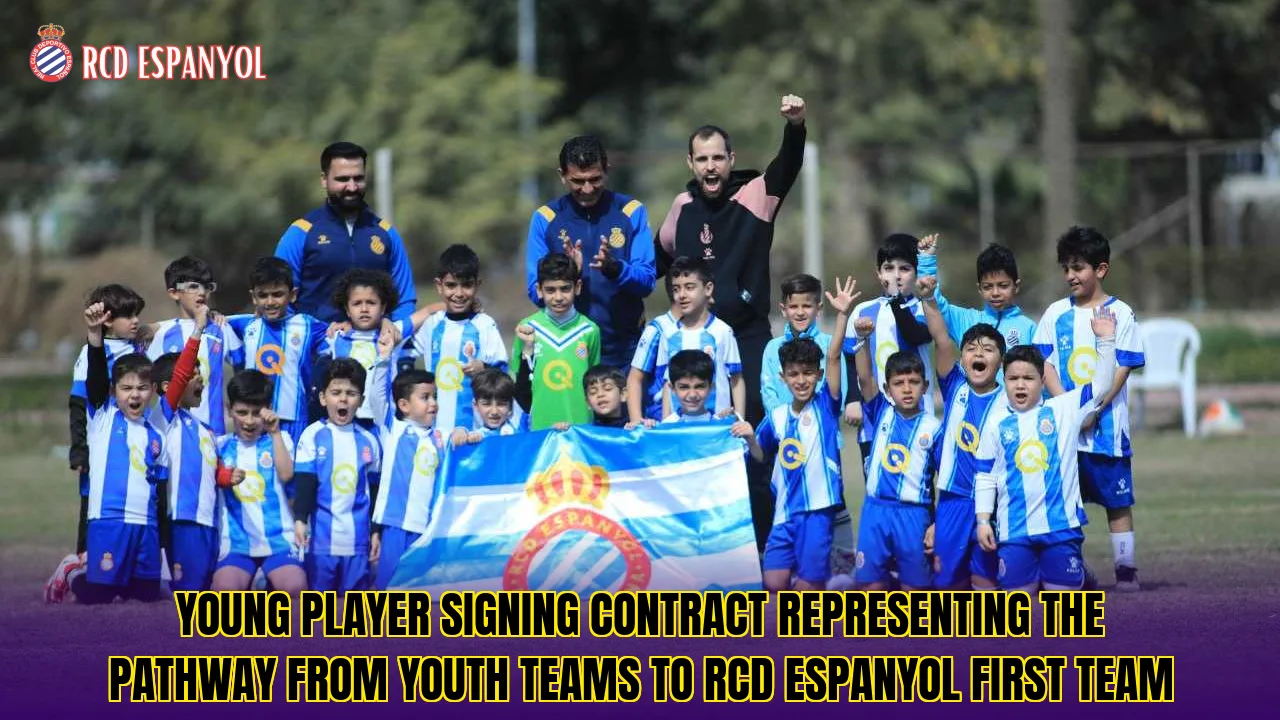
The pathway that transforms talented teenagers into senior professionals is a crucial part of how RCD Espanyol academy players are integrated into the club’s long-term strategy. A clear structure connects U14, U16, U19 and reserve squads, with regular communication between coaches at each level. The club ensures that tactical systems remain similar, so promotion feels like a step up in pace and intensity rather than a complete tactical reset. This continuity reduces adaptation time when prospects make their first senior appearances.
Scouting, recruitment and early identification
The journey of many RCD Espanyol academy players begins with a robust regional and national scouting network. Talent spotters attend grassroots tournaments, school competitions and local club matches to identify youngsters with technical flair and game intelligence. Rather than focusing only on physically dominant players, scouts look for first touch quality, vision and work ethic. Trials are structured to test decision-making in realistic game scenarios, ensuring that recruited players fit the academy’s philosophy and can grow within its tactical framework.
Reserve team, loans and competitive experience
To bridge the gap between youth football and La Liga, many RCD Espanyol academy players gain experience with the reserve side or on carefully chosen loan spells. Playing in lower professional divisions exposes them to physical battles, hostile atmospheres and varied tactical styles. Staff closely monitor match minutes, video performance and feedback from loan clubs. This data-driven approach allows the academy to decide whether a player is ready for first-team training, needs another loan, or should adapt to a new position to maximize long-term potential.
Cooperation between academy and first-team staff
The success of RCD Espanyol academy players also depends on strong alignment between youth coaches and the senior technical staff. Regular joint meetings ensure that tactical principles, pressing triggers and build-up patterns are shared across all levels. First-team coaches attend key youth matches, while academy analysts provide detailed reports on standout performers. When a youngster is promoted, the integration plan includes tailored gym work, tactical video sessions and mentoring from experienced professionals who help them understand dressing-room dynamics.
| Development Stage | Main Focus | Key Metrics Tracked |
|---|---|---|
| U12–U14 | Technical mastery, creativity | First touch, weak-foot usage, 1v1 success |
| U15–U17 | Tactical understanding, physical base | Pressing actions, distance covered, duels won |
| U18–U19 | Game management, mental resilience | Decision-making speed, errors under pressure |
| Reserve / Loans | Professional consistency | Minutes played, match ratings, availability |
How RCD Espanyol academy players influence club identity and tactics
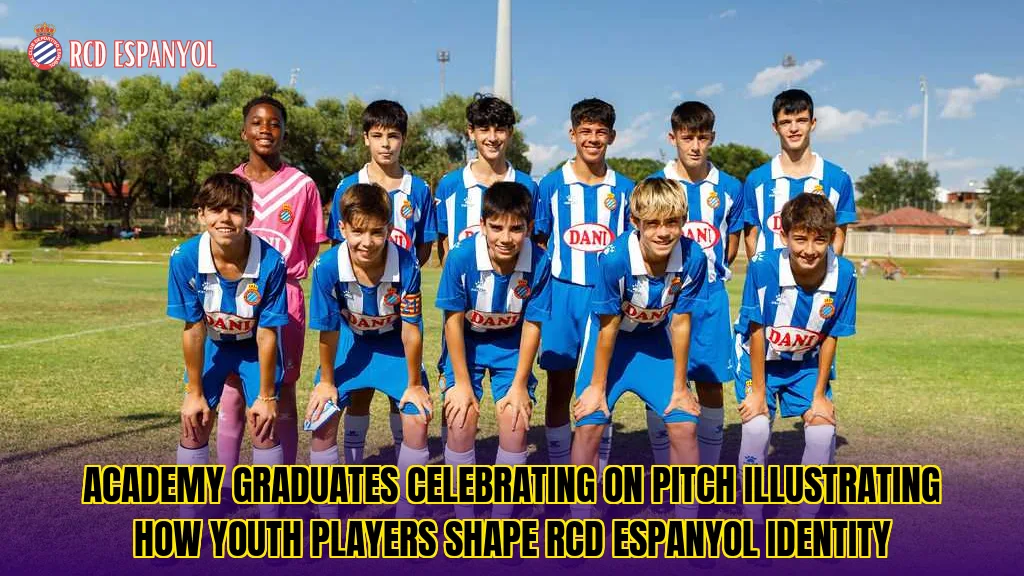
The growing presence of RCD Espanyol academy players in the senior squad is transforming the club’s on-field identity. Homegrown footballers understand the tactical language, pressing rules and build-up structures from a young age, which creates a cohesive style. Supporters often feel a stronger connection to local talents who embody the values of perseverance and humility. At the same time, the club gains flexibility in the transfer market, as academy products can fill key roles without the high fees associated with external signings.
Playing style shaped by homegrown talent
The tactical profile of RCD Espanyol academy players allows coaches to implement proactive football built on possession and coordinated pressing. Because many have been schooled in similar systems for years, they can rotate positions, overload certain zones and interpret space fluidly. This versatility is particularly valuable when adjusting between domestic league games and cup competitions. The squad can switch from a compact mid-block to an aggressive high press without losing structure, as the underlying principles were learned in the academy.
Economic sustainability and smart transfers
Developing more RCD Espanyol academy players is central to building a sustainable financial model. Homegrown professionals reduce wage pressure and allow the club to sell selected talents at peak value, reinvesting profits into facilities and scouting. When an academy graduate is transferred abroad, the club often secures sell-on clauses, creating future revenue streams. This strategy helps maintain competitiveness even when external market conditions fluctuate, while still keeping a solid core of locally trained players in the first-team squad.
Leadership, culture and fan connection
Many senior leaders within the team started as RCD Espanyol academy players, giving them a deep emotional connection to the badge. These players naturally transmit standards in training, match preparation and off-field behavior to younger teammates. Their presence strengthens the dressing-room culture and reinforces discipline. Fans, in turn, recognize and support this continuity, celebrating academy graduates who rise through the ranks. This emotional bond between stands and pitch becomes a competitive advantage, especially in tight matches at home.
Future prospects for RCD Espanyol academy players in European football
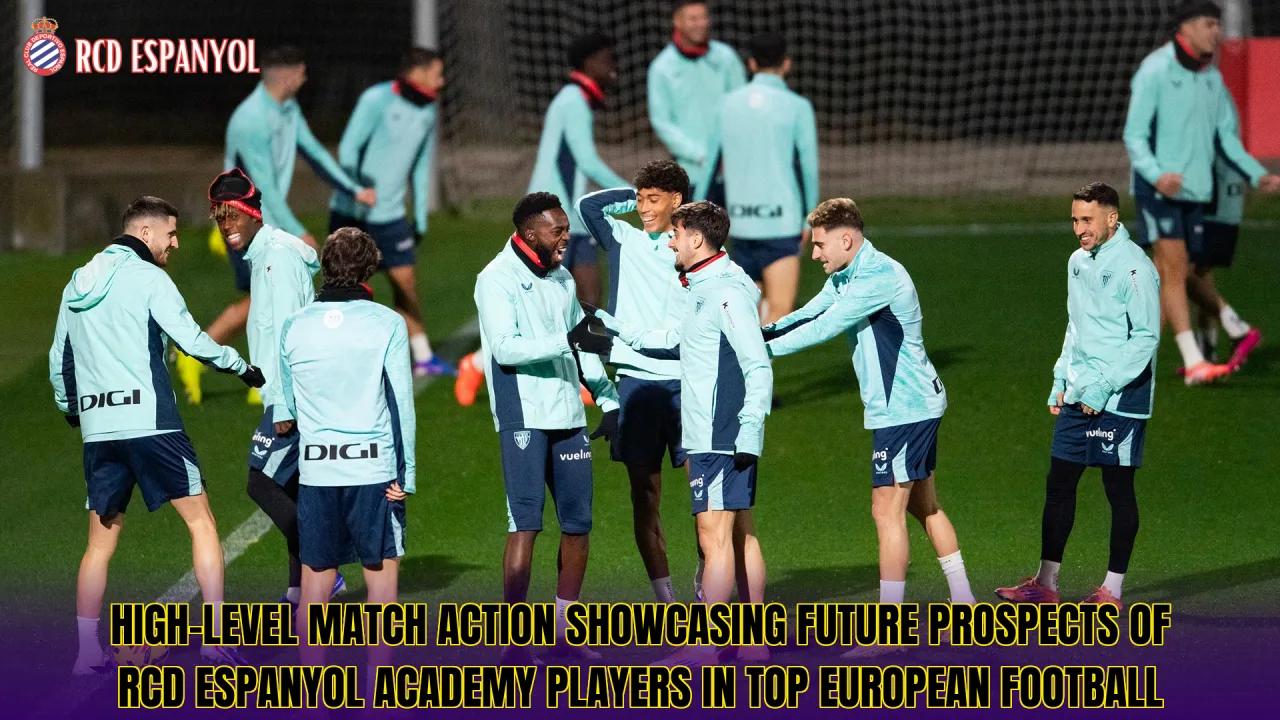
Looking ahead, the next generation of RCD Espanyol academy players is expected to play an even larger role in the club’s ambitions. Investments in data analytics, GPS tracking and video analysis are helping coaches personalize training plans. Youngsters receive detailed feedback on positioning, pressing angles and decision-making, using clips from both their own games and elite European matches. This exposure accelerates learning and prepares them for the tactical complexity of continental competitions.
Integration with modern analytics and technology
The development of RCD Espanyol academy players increasingly relies on advanced technology that was once reserved for top senior teams. Wearable sensors track load, sprint patterns and acceleration profiles, while video platforms allow players to review every action from multiple angles. Coaches can design micro-cycles based on objective data rather than intuition alone. This evidence-based approach ensures that promising talents are neither under-challenged nor overworked, raising the overall ceiling of the academy’s output.
Competing with elite European academies
As the reputation of RCD Espanyol academy players grows, the club is beginning to compete more directly with renowned European academies for both talent and recognition. Strategic partnerships, international tournaments and exchange programs expose youngsters to different football cultures. These experiences broaden tactical understanding and test adaptability. At the same time, the club remains committed to its regional roots, balancing global ambition with a strong local identity that keeps the pathway attractive to families in the surrounding areas.
Long-term vision and community impact
The long-term vision for RCD Espanyol academy players extends beyond producing professionals for the first team. Educational support, life-skills training and community projects ensure that most graduates, even those who do not reach the elite level, leave with valuable tools for their future. This holistic approach strengthens the club’s reputation and builds trust with parents and schools. Over time, such community integration helps create a virtuous cycle in which more talented youngsters choose the academy as their preferred destination.
Conclusion
RCD Espanyol academy players represent a strategic pillar for the club, combining technical training, tactical intelligence and strong character development. From early scouting to reserve-team loans, every step in the pathway is designed to reduce the gap between youth football and the professional game. The presence of multiple homegrown players in the senior squad reinforces a clear playing style, supports financial sustainability and deepens the emotional bond with supporters. In an increasingly competitive European landscape, the academy provides a stable foundation that can outlast individual coaches or transfer cycles. For fans seeking deeper insight into the club’s philosophy, history and youth strategy, the official Vietnamese portal of RCD Espanyol offers extensive analysis, news and background information that highlight how local talent continues to shape the team’s future.
See also: RCD Espanyol academy players – a fascinating topic for newcomers – explore the details Espanyol jersey history and shirt identity through each period.